Watch | How to build a zero-waste restaurant. And why no Indian chef has succeeded - yet
The Hindu
Uncover the Indian culinary maestros who are proactively adopting sustainable cooking techniques, such as utilising locally-sourced ingredients, composting leftovers, and creatively repurposing food items. We enquire about their journey towards creating an environmentally-friendly menu and establishing a zero-waste restaurant.
Imagine a restaurant where every morsel and package is repurposed, recycled, or composted – sounds like a challenging goal, doesn’t it? However, this is the holy grail of zero-waste dining, a growing global movement.
Unfortunately, India, one of the leading contributors to global food waste, has yet to produce a zero-waste restaurant. Food waste has serious consequences, including environmental devastation, biodiversity loss, and pollution, and though India produces a whopping 68.8 million tonnes of waste each year, there is hope on the horizon.
Some Indian chefs are making strides towards more sustainable culinary practices, aiming for zero waste. “Indian kitchens have historically been rooted in sustainability,” says executive chef Yutaka Saito of Delhi’s HOME, who is reducing carbon emissions by attempting to craft a climate-conscious menu.
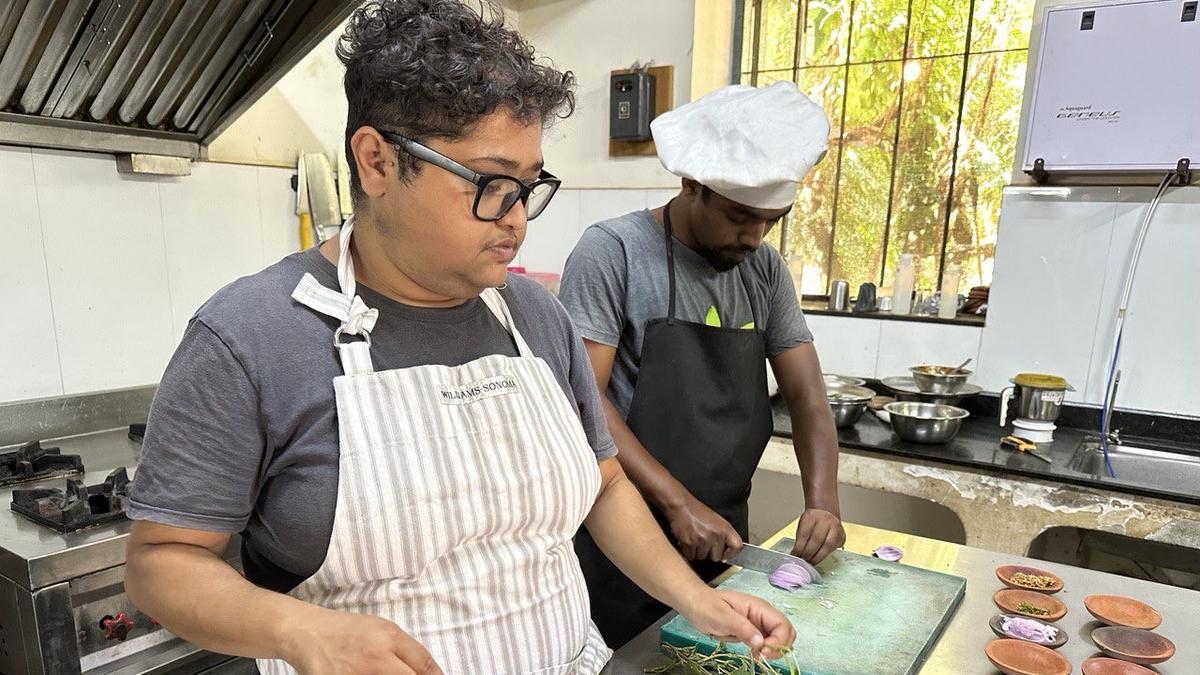
While achieving zero-waste cooking is a significant challenge, there are chefs across India leading the way by successfully implementing sustainable practices in their establishments. Anumitra Ghosh Dastidar is the owner of Bengaluru’s Bento Bento and Yo Colombo! restaurants, but she is best known for the sustainable restaurant Edible Archives in Goa. She explains how she works with locally sourced ingredients, saying “By using sushi rice substitutes, such as India’s indigenous rice, we support local farmers and reduce our carbon footprint.”
However, Anumitra faces significant challenges in reducing waste efficiently in Bengaluru, where she has limited space. “It has to be incorporated into the design. In Goa, we have a small garden and a big compost pit. So, we compost all our wet waste there,” she says, adding that they then use the compost in their vegetable garden. They also reuse vegetable peels to make fritters and give their dogs or stray cats leftover bones.
While she has to rely on plastic or carton-packaged milk in the bigger cities, contributing to her dry waste pile, in Goa, she and her team ride a scooter to the local market for produce. Although her tie-up with local farms now provides her with vegetables in Bengaluru directly from farmers, the issue of wet waste remains. The lack of strict waste segregation by municipal officials in Bengaluru is another big concern. She believes there should be conversations between those who generate more waste, such as restaurants, and local officials to encourage more responsibility. “It’s not just the laws that are responsible, but citizens also need to be accountable. But I haven’t seen many conversations happening,” she says.
Reducing food waste in restaurants is critical, but Anumitra’s experience illustrates the need for customised solutions to address the challenges of different locations. Chef Douglas McMaster of the world’s first zero-waste restaurant, Silo, in London, put it bluntly in his TED talk, “Waste is nothing but a failure of imagination.”


Discover the Minor Planet Centre, the key hub for tracking and verifying observations of small solar system bodies.

In this week's Science for All newsletter, XX explains

Test your knowledge with the quiz on Science films at the Oscars through history

Set between the Siwalik hills and the plains, Butwal offers travellers a mix of regional cuisine, pilgrimage trails to Lumbini and the comfort of Hyatt’s new hospitality landmark

Explore 2026's wallpaper trends in India, highlighting botanicals and handmade designs that enhance modern homes with nature-inspired aesthetics.

Mercedes-Benz CLA 250+ with EQ Technology review: design, performance, range and features explained. Discover how the new electric CLA combines advanced AI, long range, fast charging and futuristic styling for the next generation of luxury EVs.

AI tool for sparrow conservation

BTS’s comeback with ‘Arirang’ marks a major global music event. When does the album release, and where can you watch their concert live stream? We have all the details

The 2026 U.S. cholesterol guidelines urge starting screening and treatment at 30 to prevent cardiovascular disease effectively.

Olam Festival 2026 in Thiruvananthapuram returns March 27-29 with 120+ vendors, music, art, and cultural zones.

A few storytellers in Thiruvananthapuram share their journeys, challenges, and evolving methods on World Storytelling Day, inspiring young minds.

76-year-old Kurian Jacob from Kerala triumphs with seven medals, including five golds, at the Open Masters Games in Abu Dhabi.

Explore the nature of the human mind as an emergent property of brain activity and complex neural interactions.