US spy planes hunt for intel on Mexican drug cartels as surveillance flights surge near border
CNN
The US military has significantly increased its surveillance of Mexican drug cartels over the past two weeks, with sophisticated spy planes flying at least 18 missions over the southwestern US and in international airspace around the Baja peninsula, according to open-source data and three US officials familiar with the missions.
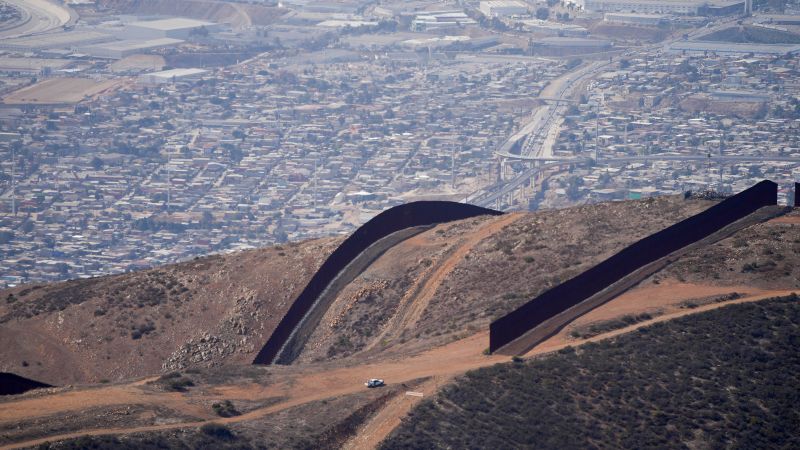
The US military has significantly increased its surveillance of Mexican drug cartels over the past two weeks, with sophisticated spy planes flying at least 18 missions over the southwestern US and in international airspace around the Baja peninsula, according to open-source data and three US officials familiar with the missions. The flights, conducted over a 10-day period in late January and early February, represent a dramatic escalation in activity, current and former military officials say, and come as President Donald Trump directs the military to secure the border and deter cartels’ drug smuggling operations. The Pentagon has historically flown only about one surveillance mission a month around the US-Mexico border, according to one former military official with deep experience in homeland defense. Typically, officials instead focus these planes on collecting intelligence on other priorities, such as Russian activity in Ukraine or hunting Russian or Chinese submarines. The activity highlights how the military has already begun shifting finite US national security capabilities away from overseas threats to focus on the southern border, where Trump has declared a national emergency. At least 11 of these recent flights around the US have been by Navy P-8s, a particularly prized plane with a sophisticated radar system that specializes in identifying submarines but is also capable of collecting imagery and signals intelligence. One nearly six-hour flight on February 3 was conducted by a U-2 spy plane, one of the US military’s most venerated reconnaissance aircraft, designed during the Cold War for collecting high-altitude imagery of the Soviet Union.


Tens of thousands of taxpayer dollars were spent on expenses for hair and makeup artists and a horse for the advertisement showcasing outgoing Department of Homeland Security Secretary Kristi Noem in front of Mount Rushmore, according to invoices seen by CNN.

President Donald Trump was presented Sunday with a potential off-ramp to the more than month-long Department of Homeland Security shutdown: fund every part of the department except enforcement operations by Immigration and Customs Enforcement, two sources familiar with the conversations told CNN.

Immigration and Customs Enforcement agents are heading to 13 airports today to help with crowd management as travelers at some airports wait in hours-long security lines amid the DHS shutdown. Follow here for the latest.

A consortium of the nation’s top architectural and historic preservation groups is targeting President Donald Trump’s plans to temporarily close and extensively renovate the Kennedy Center, filing a new lawsuit Monday that asks a federal judge to indefinitely halt the project.

ICE agents sent to airports as TSA callouts remain high; separately, two people have died after a plane collided with a fire truck at New York’s second biggest airport. Follow for live updates

Mike Pence used to dream of following two successful Donald Trump terms with his own turn in the White House.

An Air Canada plane was damaged after colliding with a vehicle on a runway at New York’s LaGuardia Airport Monday, according to video from the scene and air traffic control audio.

A statue of Christopher Columbus has been erected outside of an ornate federal office building on the White House grounds — the latest sign of the Trump administration’s efforts to reshape cultural and historical representations across the nation’s capital.

Kentucky Gov. Andy Beshear, speaking in JD Vance’s home state of Ohio on Saturday, tore into the vice president, questioning his Appalachian roots and telling voters they “deserve better.”

President Donald Trump has said ICE agents will head to US airports tomorrow amid a partial government shutdown. Follow for live updates

Cuba is working to restore the electricity supply after another island-wide blackout left more than 10 million people without power.

President Donald Trump said Sunday border czar Tom Homan will be in charge of deploying Immigration and Customs Enforcement agents to airports on Monday, with Homan telling CNN the agents will help with security at entrances and exits to ease the Transportation Security Administration’s workload.

Donald Trump wants us to believe that a deal with Cuba is close at hand. After this past week, I am not so sure.