Upcoming Budget can accelerate India’s decarbonisation journey: GE
The Hindu
‘Wind power served as a crucial natural source for round-the-clock power generation; it would also support the country’s ambition to produce green hydrogen’
The upcoming Budget could further accelerate India’s decarbonisation journey across multiple pathways, particularly in incentivising manufacturing for wind power and developing solid financing models across India’s decarbonising efforts, GE said on Monday.
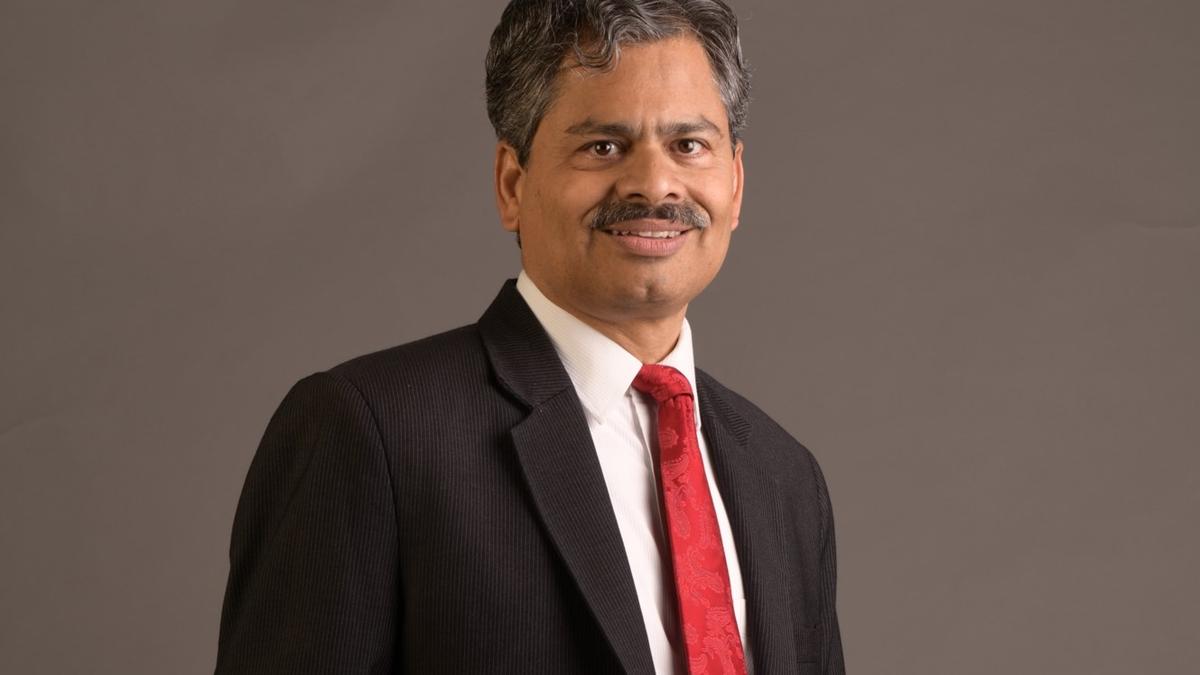
“As we approach the Union Budget 2023-24, expectations from the government to further push the pedal on India’s decarbonisation journey are ripe,’‘ said Mahesh Palashikar, president, GE South Asia, told The Hindu.
Wind power has served as a crucial natural source for round-the-clock power generation and it would also support the country’s ambition to produce green hydrogen, he added.
Now, with clear opportunities in sight, the Budget should consider allocations such as a production-linked incentive scheme for an enhanced national manufacturing ecosystem for large-scale wind turbines and related components that would reduce the overall levelised cost of wind power generation, enhance adoption and enable higher Indian exports to the world, he recommended.
According to Mr. Palashikar, the Budget was also an opportunity to develop large-scale carbon markets and green financing solutions through budgetary allocations to empower energy producers and providers. This could also include creating a robust framework for both offshore and onshore financing, and incentivising investors, he added.
“We remain confident in the government’s intent and enabling policies to thoroughly enable energy transition, and are eagerly anticipating the upcoming Budget,” he anticipated.
The government had done well in recognising the importance of energy transition by enabling a conducive policy environment for solar, battery storage, hydrogen, wind and more, the GE official added.


Amazon said it held discussions with some vendors about adjusting costs to reflect the reduction in tariff rates

PFRDA seeks tax neutrality across all NPS payout plans to enhance customer choice and meet diverse pension needs.

Garuda Aerospace and BEL sign MoU to collaborate on supplying advanced drones for India's Defence Forces and security agencies.

Stock markets remain flat amid volatility, with foreign investors selling off equities while domestic buyers show activity.

Microsoft said Tuesday it will shoulder the full electricity costs of its US data centres to prevent American households from facing higher power bills driven by surging AI

The GPU sector is dominated by Nvidia, now the world's most valuable company thanks to frenzied global demand and optimism for AI.

1.2L Turbocharged iTurbo Revotron engine and a twin-cylinder iCNG technology paired with an AMT gearbox.

The Passenger Vehicle PV) segment clocked its highest-ever sales in a calendar year 2025 (CY25) at 44.90 lakh units, growing 5% Year on Year (YoY) driven by Q3 offtake, according to the data released by the Society of Indian Automobile Manufacturers (SIAM) on Tuesday.

Human + AI will define the future of work and nearly all HR leaders (97%) anticipate that by 2027, the nature of work will be shaped by humans working alongside AI rather than engaging with it only intermittently, said a Nasscom study conducted in association with Indeed, a US-based job site.

Central bankers express unity with Fed Chair Powell, emphasizing the importance of central bank independence amid political pressures.

Rice exporters urge India's Commerce Ministry for assistance in clearing payments amid Iran's civil unrest impacting trade.

PFRDA forms an expert committee to create a framework for assured payouts under the National Pension Scheme (NPS).

Petroleum Minister Hardeep Puri discusses LNG, LPG, and green hydrogen cooperation with British Columbia's Premier to enhance India-Canada energy partnership.