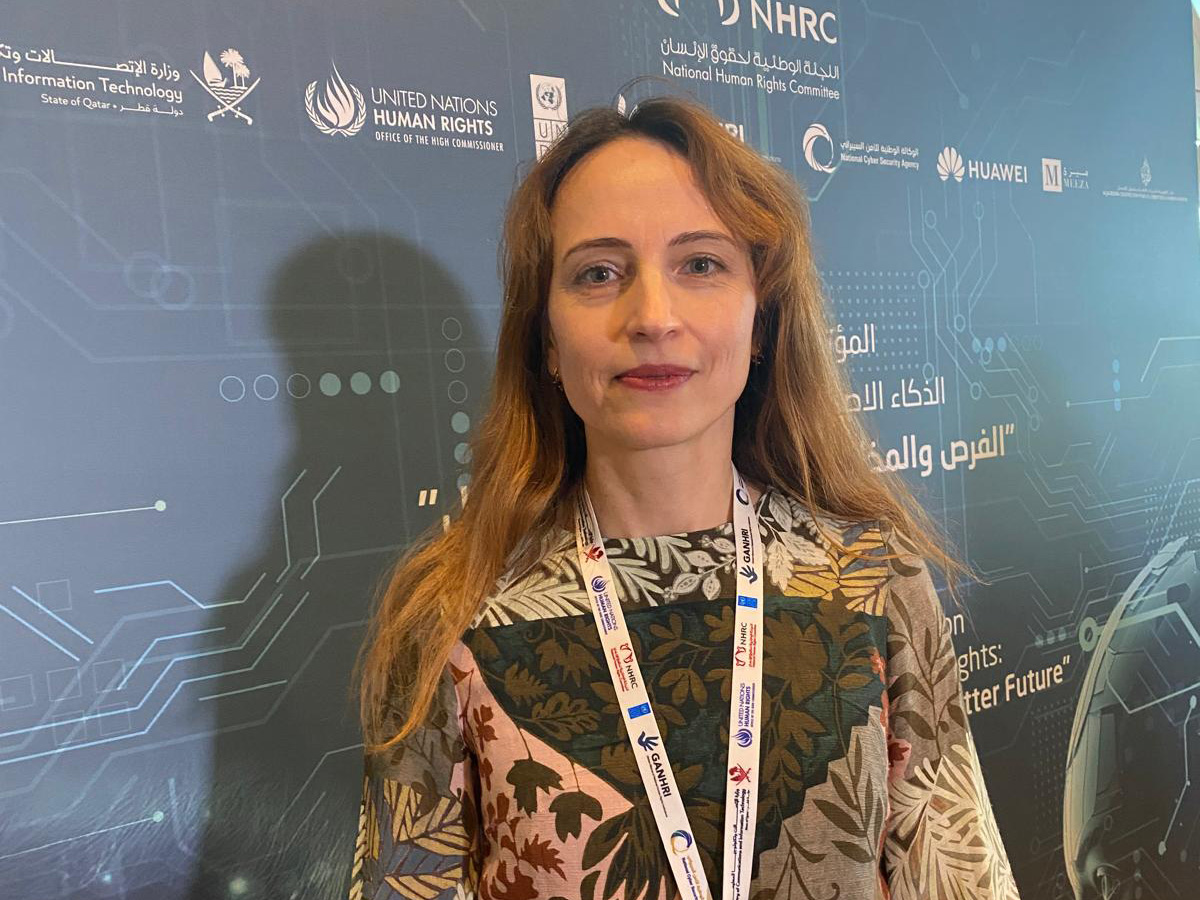
UN expert calls for global cooperation to tackle AI and cyber technology risks
The Peninsula
Doha, Qatar: The United Nations Special Rapporteur on the Negative Impact of Unilateral Coercive Measures on the Enjoyment of Human Rights, H E Profes...
Doha, Qatar: The United Nations Special Rapporteur on the Negative Impact of Unilateral Coercive Measures on the Enjoyment of Human Rights, H E Professor Alena Douhan, has emphasised the urgent need for coordinated global action to address the legal, ethical, and developmental challenges posed by artificial intelligence (AI) and cyber technologies.
Speaking to The Peninsula on the sidelines of the international conference on Artificial Intelligence and Human Rights held in Doha, Professor Douhan stressed the significance of the gathering.
“The organization of this conference is extremely important. Cyber technology is rapidly advancing and has become an integral part of our lives. The rise of artificial intelligence is transforming the way we live, yet the associated human rights risks are still emerging and not fully addressed,” she stated.
Professor Douhan pointed out that while the official position of the United Nations General Assembly is to apply the same rights and rules online as offline, the reality is far more complex. “In practice, this principle is not always upheld. As AI continues to evolve, we must work to identify and address the associated risks, gaps, and opportunities through practical experience and multi-stakeholder dialogue,” she said.
In her presentation, Professor Douhan highlighted a range of grave challenges stemming from the development of AI and cyber technologies. “We face serious concerns, including inadequate legal regulation, threats to personal privacy, and growing inequalities in access to knowledge and equipment—particularly in the world’s poorest countries,” she explained. “These issues must be clearly identified and effectively addressed.” When asked about solutions, she underlined the need for a multifaceted approach.


Baghdad: Two unmanned aerial vehicles crashed in Iraq, authorities said, with no human casualties or material damage reported. A security source sa...

Doha, Qatar: The Amir HH Sheikh Tamim bin Hamad Al Thani received a phone call on Tuesday from thePresident of the Republic of Slovenia HE Nata a Pirc...

Washington, United States: NASA s chief on Tuesday said the US space agency will invest $20 billion to develop a base on the Moon, while suspending it...

Doha, Qatar: Weather inshore until 6am on Wednesday will be partly cloudy to cloudy with scattered rain, thundery at times, the Department of Meteorol...

Doha, Qatar: Weather inshore until 6am on Wednesday will be partly cloudy to cloudy with scattered rain, thundery at times, the Department of Meteorol...

Brussels: Growth in the eurozone s private sector slowed in March 2026, as conflict in the Middle East drove up energy costs and disrupted companies...

Doha, Qatar: The State of Qatar expressed its sincere condolences and deep sympathy to the sisterly United Arab Emirates on the martyrdom of a civilia...

Doha, Qatar: The State of Qatar expressed its sincere condolences and deep sympathy to the sisterly United Arab Emirates on the martyrdom of a civilia...

Doha, Qatar: The Ministry of Defense of the United Arab Emirates has announced today, March 24, 2026, that one person was killed and five others were...

Doha, Qatar: QatarEnergy on Tuesday declared force majeure on some of its affected long term liquefied natural gas (LNG) contracts, according to a...

Manama: Amazon s cloud arm told AFP on Tuesday that its service in Bahrain had been disrupted, after drone attacks hit the region. An Amazon Web Se...

Geneva: The United Nations Human Rights Council will hold an urgent debate Wednesday on Iran s military attacks against Qatar, Bahrain, Kuwait, Oman,...

Manila: Philippine President Ferdinand Marcos declared a state of national energy emergency on Tuesday, citing risks to the domestic fuel supply and...