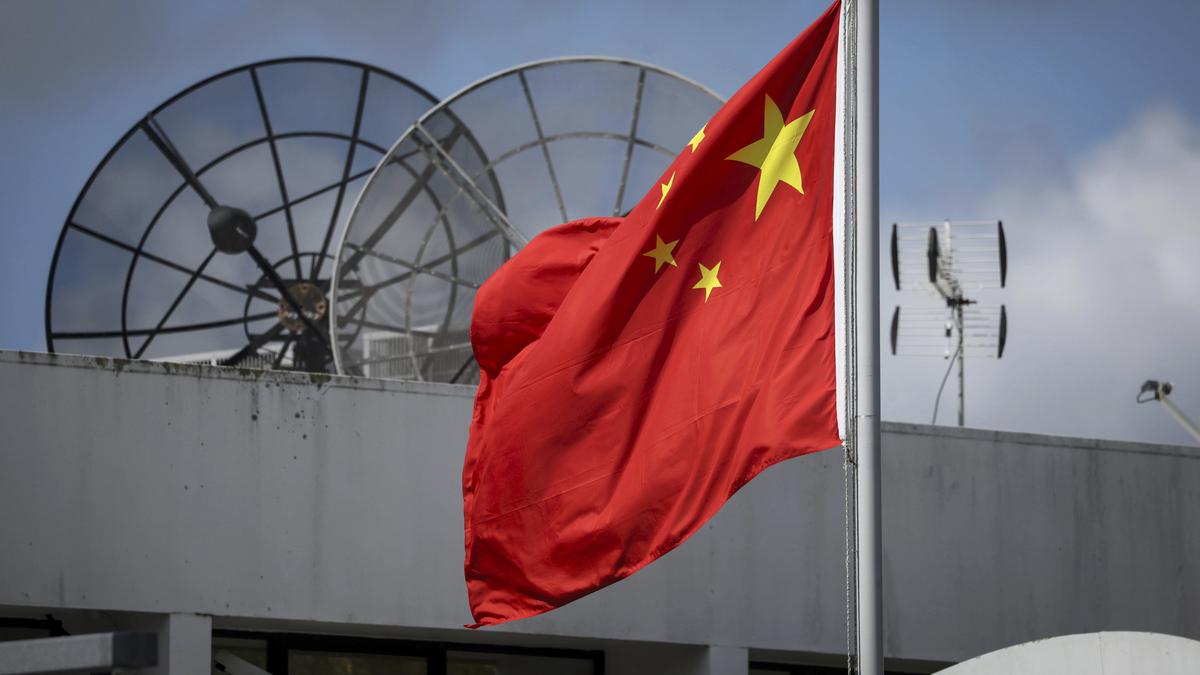
U.S., U.K. accuse China of state-backed cyberattacks, voter data theft
The Hindu
Chinese government hackers targeted U.S. officials, journalists, corporations, and pro-democracy activists in a state-backed operation.
Hackers linked to the Chinese government launched a sweeping, state-backed operation that targeted U.S. officials, journalists, corporations, pro-democracy activists and the U.K.'s election watchdog, American and British authorities said on March 25 in announcing a set of criminal charges and sanctions.
The intention of the campaign, which officials say began in 2010, was to harass critics of the Chinese government, steal trade secrets of American corporations and to spy on and track high-level political figures. Western officials disclosed the operation, carried out by a hacking group known as APT31, while sounding a fresh, election-year alarm about a country long seen as having advanced espionage capabilities.
The U.S. Justice Department charged seven hackers, all believed to be living in China. The British government, in a related announcement, imposed sanctions on a front company and two of the defendants in connection with a breach that may have given the Chinese access to information on tens of millions of U.K. voters held by the Electoral Commission.
Also Read | U.S. says it disrupted a China cyber threat, but warns hackers could still wreak havoc for Americans
“The Justice Department will not tolerate efforts by the Chinese government to intimidate Americans who serve the public, silence the dissidents who are protected by American laws, or steal from American businesses,” Attorney General Merrick Garland said in a statement, adding that the “case serves as a reminder of the ends to which the Chinese government is willing to go to target and intimidate its critics.”
As part of the cyber-intrusion campaign, prosecutors said, the hackers sent more than 10,000 emails to targets all over the world that purported to be from prominent journalists but that actually contained malicious code. Once opened, the emails installed tracking software that allowed the hackers to know the victims’ location, IP addresses and even the devices they used to get email.
The hackers further leveraged that tracking to target home routers and other devices, “including those of high-ranking U.S. government officials and politicians and election campaign staff from both major U.S. political parties,” the indictment says.


Russia claims control of Potapivka village in Ukraine's Sumy region amid ongoing military efforts to establish a buffer zone.

Iranian missile strikes on Israeli towns cause widespread damage and injuries, marking a significant escalation in the ongoing conflict.

As Gor makes first trip as U.S. Special envoy to South Asia, Delhi watches strategic signals closely
Sergio Gor's inaugural trip as U.S. Special Envoy to South Asia signals strategic U.S. engagement amid regional tensions.

Slovenians vote in a tight election between liberal and populist candidates, impacting the country's future domestic and foreign policies.

Netanyahu asserts U.S.-Israel alliance fights Iranian threats, emphasizing global security after missile strikes on Israeli and European targets.

Israeli settlers attack Palestinian villages in the West Bank, causing injuries and destruction amid ongoing settlement expansion.

Britain asserts no evidence of Iran planning missile strikes on Europe, despite Israeli claims of missile capabilities.

UNESCO reports over half of countries have banned phones in schools due to concerns about attention, cyberbullying, and social media impact.

Analysis reveals a U.S.-operated Patriot missile likely caused a pre-dawn explosion in Bahrain, injuring numerous civilians.

Sri Lanka raises fuel prices by 25% amid ongoing West Asia conflict, impacting petrol and diesel costs significantly.

Iran strikes near Israeli nuclear research center as Trump threatens attacks on Iranian power plants
Iran's missile strikes near Israel's nuclear site escalate tensions as Trump threatens retaliation against Iranian power plants.

Saudi Arabia intercepts one of three ballistic missiles targeting Riyadh amid ongoing regional tensions and threats from Iran.

Iran's death toll exceeds 1,500 amid escalating war, with heavy airstrikes and shifting U.S. and Israel strategies reported.