U.N. human rights chief asks China to rethink Uighur policies
The Hindu
Michelle Bachelet's measured words will likely not sit well with activists and governments such as the United States, which have been critical of her decision to visit Xinjiang.
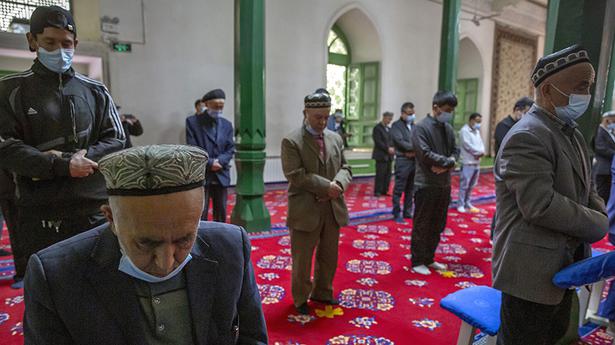
The United Nations top human rights official said on Saturday that she raised concerns with Chinese officials about the impact of the broad application of counterterrorism and deradicalisation measures on the rights of Uighurs and other predominantly Muslim groups in China's Xinjiang region.
Michelle Bachelet, who visited Xinjiang as part of a six-day trip to China, said the visit was not an investigation but an opportunity to raise concerns with senior Chinese leaders and pave the way for more regular interactions to support China in fulfilling its obligations under international human rights law.
“It provides an opportunity for me to better understand the situation in China, but also for the authorities in China to better understand our concerns and to potentially rethink policies that we believe may impact negatively on human rights,” she said in a video news conference on the final day of her trip.
It's uncertain whether China's ruling Communist Party, which has vehemently denied all reports of human rights violations and genocide in Xinjiang, would change its polices. Ms. Bachelet's measured words, while expected, will likely not sit well with activists and governments such as the United States, which have been critical of her decision to visit Xinjiang.
Ms. Bachelet, making the first visit by a U.N. high commissioner for human rights to China in 17 years, said she raised the lack of independent judicial oversight for a system of internment camps that swept up a million or more Uighurs and other ethnic minorities, according to estimates by experts.
China, which describes the camps as vocational training and education centers to combat extremism, says they have been closed. The government has never publicly said how many people passed through them.
Ms. Bachelet, who visited a prison and former centre in the Xinjiang city of Kashgar, noted that the program relied on police to determine “tendencies toward extremism” and the allegations of use of force at the centres and unduly severe restrictions on religious practice.


The government plans to amend the FCRA, introducing new regulations for NGO asset management and accountability for key functionaries.

The draft policy for “Responsible Digital Use Among Students”, released on Monday by the Department of Health and Family Welfare, has recommended that parents set structured routines with clear screen-time rules and prioritise privacy, safety, and open conversation with children on digital well-being.

Police Observer Sushant Kumar Saxena conducts surprise inspection at Shencottai police station, reviewing warrants and security arrangements ahead of elections.

Andhra Pradesh government to launch key projects in April, focusing on industrial growth and infrastructure development, says Nara Lokesh.

Lok Sabha refers the Corporate Laws (Amendment) Bill to a JPC amid opposition concerns over CSR provisions dilution.

SHG members in Kanniyakumari use snakes and ladders to raise election awareness and boost voter turnout.

Government accelerates consultations for early implementation of the Women’s Reservation Act to ensure women’s representation in 2029 elections.

CM A. Revanth Reddy distributes ₹1 crore insurance cheques to families of deceased Electricity department employees, enhancing financial security for workers.

The Bengaluru Traffic Police (BTP) registered 634 cases of drunk driving during a week-long special enforcement drive conducted across the city between March 16 and March 22.

GHMC intensifies action against property tax defaulters, seizing properties and offering a One Time Settlement scheme for payments.

CCB arrests three drug peddlers in Mangaluru, seizing ₹2.5 lakh worth of MDMA and other valuables.

TVK's 28 candidates in Puducherry include former BJP MLAs, a sitting Independent, and a retired police IG.

BRS submits notice on private member bill to Speaker