U.K. shoppers cut back on spending as inflation takes its toll
The Hindu
Sales volumes were down by 5.8% compared with December 2021, the biggest fall for that month in records going back to 1997, and the ninth month in a row that they fell in annual terms.
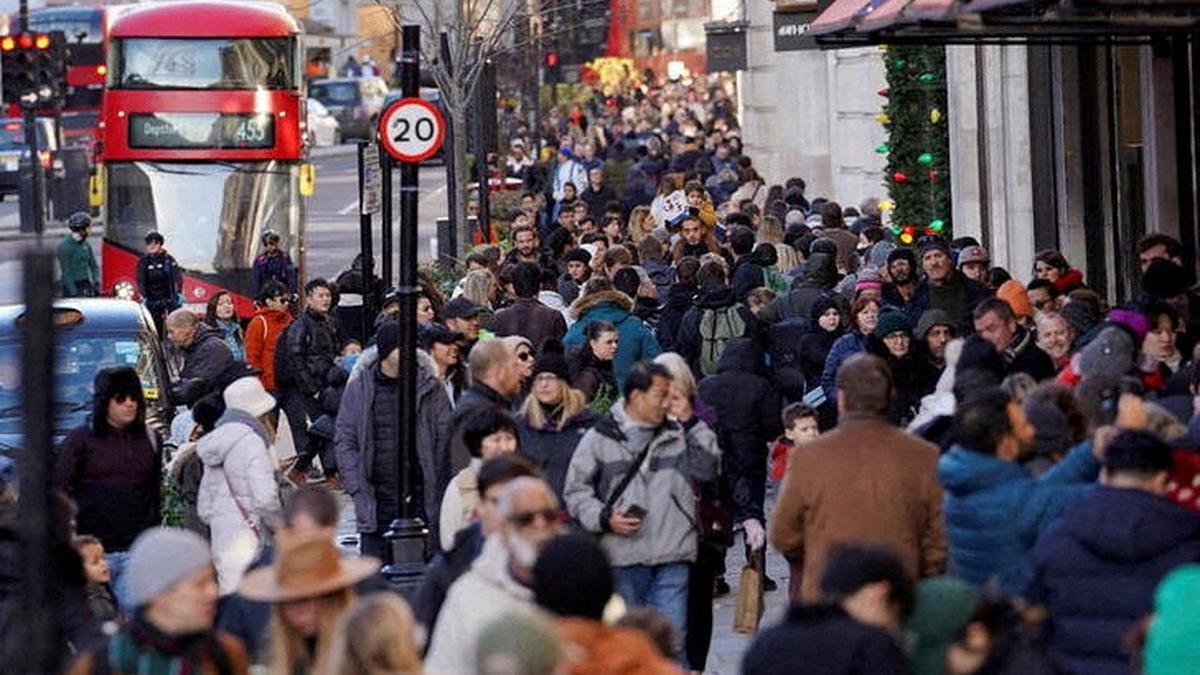
Inflation-pinched British consumers cut their shopping by the most in the key month of December in at least 25 years, official data showed on Friday, dashing hopes for a Christmas boost for the country's flagging retail sector.
Sales volumes were down by 5.8% compared with December 2021, the biggest fall for that month in records going back to 1997, and the ninth month in a row that they fell in annual terms.
Sales unexpectedly fell by 1% from November, the Office for National Statistics said, confounding a forecast for a 0.5% monthly increase in a Reuters poll of economists.
Olivia Cross, with consultancy Capital Economics, said the surprise fall suggested that some of the resilience seen in the economy in late 2022 petered out in December.
"What's more, we think the bulk of the drag on activity from high inflation and rising interest rates has yet to be felt," she said.
A survey showed a first drop in three months in consumer confidence in January which fell back close to its lowest level since at least 1974.
Britain's economy is widely expected to fall into a recession.


Markets fall 2% as Israel attacks Iran’s South Pars gas field, pushing Brent crude above $112 and rupee below ₹93.

HDFC Bank shares drop over 4% following chairman’s ethical resignation, raising insider trading and management concerns.

Erran Berger, the Vice President of Product Engineering at LinkedIn, thinks the former type of division of labour is rapidly disappearing

India mandates oil and gas firms to share import and export data to mitigate consumer shortages amid rising global prices.

HDFC Bank's chairman Atanu Chakraborty resigns over ethical concerns; Keki Mistry appointed interim chairman for three months.

Stock markets continue to rise for the third day as Sensex and Nifty gain nearly 1%, fueled by IT stocks.

Indian-flagged vessels in the Strait of Hormuz carry 2 lakh MT LNG and 16.7 lakh MT crude, amidst geopolitical tensions.

Equity analysts downgrade earnings forecasts for oil marketing companies, citing rising costs and market pressures for fiscal 2027.

Plastic product prices may surge by 50-60% in April due to rising polymer costs amid ongoing geopolitical tensions.

Centre offers 10% more LPG to States that accelerate piped gas rollout amid ongoing supply challenges and increased consumer demand.

Indian-flagged vessels in the Strait of Hormuz carry 2 lakh MT LNG and 16.7 lakh MT crude, amidst geopolitical tensions.

Stock markets continue to rise for the third day as Sensex and Nifty gain nearly 1%, fueled by IT stocks.

Rising oil prices and LPG shortages are driving India's shift to electric cooking, offering cost-effective and energy-efficient alternatives.