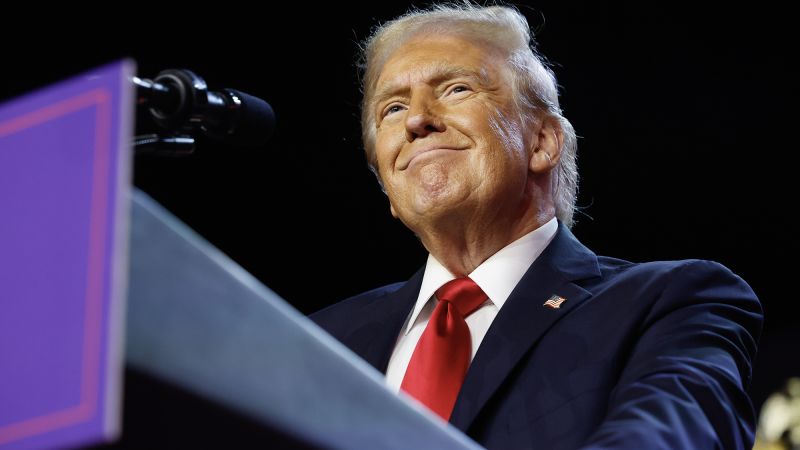
Trump promised massive tariffs on imports but how he’ll pull it off is still being figured out
CNN
Just days after winning a comeback election, President-elect Donald Trump is evaluating how his campaign promises might translate into policy. When it comes to rolling out the broad-based tariffs that he pledged on the campaign trail, the strategy is not yet formed, multiple sources familiar with the matter told CNN.
Just days after winning a comeback election, President-elect Donald Trump is evaluating how his campaign promises might translate into policy. When it comes to rolling out the broad-based tariffs that he pledged on the campaign trail, the strategy is not yet formed, multiple sources familiar with the matter told CNN. “The vision is there, but the game plan is not,” said one source close to the discussions, noting major decisions about how to pursue these strategies – and the personnel executing them – have yet to be made. Economic experts say the cost of the tariffs is expected to be passed along to consumers rather than being borne by companies who are producing goods broad. As a candidate, Trump pledged to slap 60% tariffs on all goods coming in from China and 10% tariffs on goods imported from all other countries. While aides say those pledges weren’t campaign bluster, there are still questions about how to pursue them, through what legal authorities and when. Among those advising Trump on economic issues before he makes critical appointments, a clear strategy has emerged: Link the increased China tariffs to tax reform negotiations expected to reach a head in 2025. “The way that President Trump looks at tariffs are not in isolation. They are a fundamental and core part of his broader economic strategy, which also includes tax cuts, deregulation, energy diversity,” says Kelly Ann Shaw, a former Trump official who is now a partner at law firm Hogan Lovells. Much of the landmark legislation from Trump’s first term – the 2017 Tax Cut and Jobs Act – is set to expire at the end of next year, with congressional Republicans already working on how to extend or make it permanent. Trump’s economic advisers – and the president himself – view the forthcoming tariff revenue as a way to offset that cost.


Tens of thousands of taxpayer dollars were spent on expenses for hair and makeup artists and a horse for the advertisement showcasing outgoing Department of Homeland Security Secretary Kristi Noem in front of Mount Rushmore, according to invoices seen by CNN.

President Donald Trump was presented Sunday with a potential off-ramp to the more than month-long Department of Homeland Security shutdown: fund every part of the department except enforcement operations by Immigration and Customs Enforcement, two sources familiar with the conversations told CNN.

Immigration and Customs Enforcement agents are heading to 13 airports today to help with crowd management as travelers at some airports wait in hours-long security lines amid the DHS shutdown. Follow here for the latest.

A consortium of the nation’s top architectural and historic preservation groups is targeting President Donald Trump’s plans to temporarily close and extensively renovate the Kennedy Center, filing a new lawsuit Monday that asks a federal judge to indefinitely halt the project.

ICE agents sent to airports as TSA callouts remain high; separately, two people have died after a plane collided with a fire truck at New York’s second biggest airport. Follow for live updates

Mike Pence used to dream of following two successful Donald Trump terms with his own turn in the White House.

An Air Canada plane was damaged after colliding with a vehicle on a runway at New York’s LaGuardia Airport Monday, according to video from the scene and air traffic control audio.

A statue of Christopher Columbus has been erected outside of an ornate federal office building on the White House grounds — the latest sign of the Trump administration’s efforts to reshape cultural and historical representations across the nation’s capital.

Kentucky Gov. Andy Beshear, speaking in JD Vance’s home state of Ohio on Saturday, tore into the vice president, questioning his Appalachian roots and telling voters they “deserve better.”

President Donald Trump has said ICE agents will head to US airports tomorrow amid a partial government shutdown. Follow for live updates

Cuba is working to restore the electricity supply after another island-wide blackout left more than 10 million people without power.

President Donald Trump said Sunday border czar Tom Homan will be in charge of deploying Immigration and Customs Enforcement agents to airports on Monday, with Homan telling CNN the agents will help with security at entrances and exits to ease the Transportation Security Administration’s workload.

Donald Trump wants us to believe that a deal with Cuba is close at hand. After this past week, I am not so sure.