Trump plans tariffs on Mexico and Canada on March 4, while doubling existing 10% tariffs on China
The Hindu
Trump plans to impose tariffs on Canada, Mexico, and China to combat drug trafficking and boost the US economy.
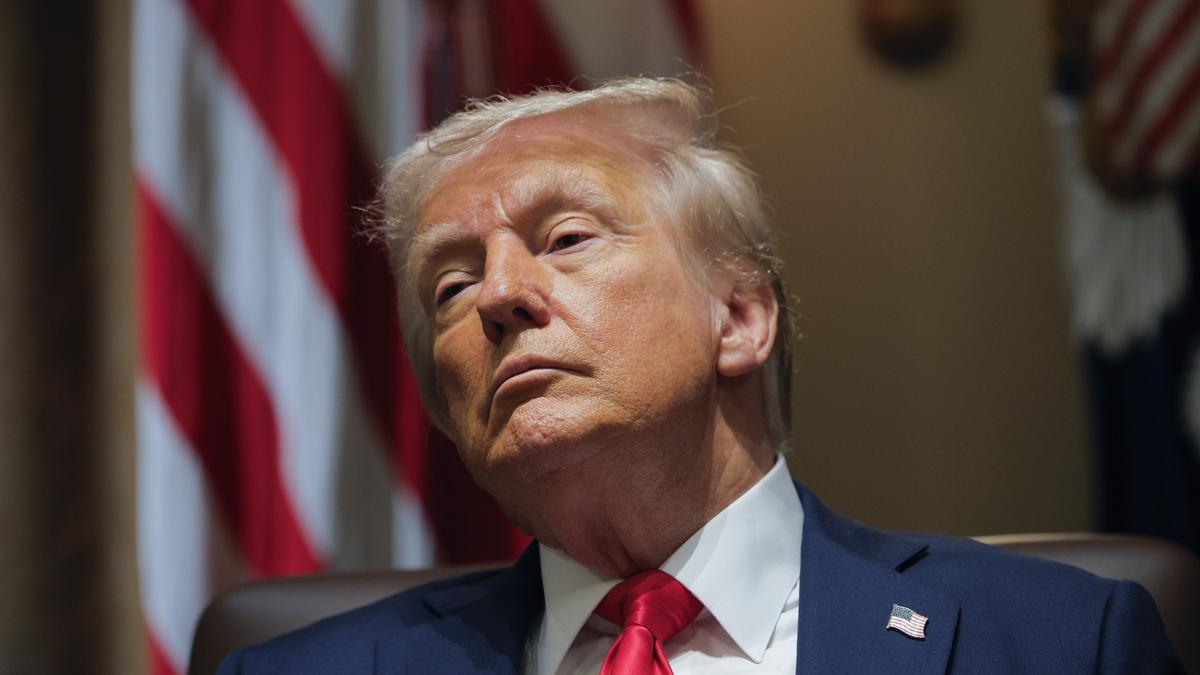
President Donald Trump plans to impose tariffs on Canada and Mexico starting Tuesday (March 4, 2025), in addition to doubling the 10% universal tariff charged on imports from China.
In a Truth Social post Thursday, Mr. Trump said illicit drugs such as fentanyl are being smuggled into the United States at “unacceptable levels" and that import taxes would force other countries to crack down on the trafficking.
“We cannot allow this scourge to continue to harm the USA, and therefore, until it stops, or is seriously limited, the proposed TARIFFS scheduled to go into effect on MARCH FOURTH will, indeed, go into effect, as scheduled,” the Republican President wrote. “China will likewise be charged an additional 10% Tariff on that date.”
What will be the impact of Trump’s trade war? | Explained
The prospect of escalating tariffs has already thrown the global economy into turmoil, with consumers expressing fears about inflation worsening and the auto sector and other domestic manufacturers suffering if Trump raises import taxes. But Mr. Trump has also at times engaged in aggressive posturing only to give last-minute reprieves, previously agreeing to a 30-day suspension of the Canada and Mexico tariffs that were initially supposed to start in February.
The threat of tariffs frightened the stock market with the S&P 500 index falling 1.6% on Thursday. The S&P 500 is now just 1.4% higher than it was after Mr. Trump won the election in November, giving up almost all of the gains that the president once cited as evidence of an economic revival.
Asked Thursday about the fact that tariffs are largely paid for consumers and importing companies, Mr. Trump dismissed any concerns by saying: “It's a myth.” It's possible for a stronger U.S. dollar to offset some of the costs of tariffs, but Trump's statement goes against most economic modeling given the breadth of his planned taxes.


Britain asserts no evidence of Iran planning missile strikes on Europe, despite Israeli claims of missile capabilities.

UNESCO reports over half of countries have banned phones in schools due to concerns about attention, cyberbullying, and social media impact.

Analysis reveals a U.S.-operated Patriot missile likely caused a pre-dawn explosion in Bahrain, injuring numerous civilians.

Sri Lanka raises fuel prices by 25% amid ongoing West Asia conflict, impacting petrol and diesel costs significantly.

Iran strikes near Israeli nuclear research center as Trump threatens attacks on Iranian power plants
Iran's missile strikes near Israel's nuclear site escalate tensions as Trump threatens retaliation against Iranian power plants.

Saudi Arabia intercepts one of three ballistic missiles targeting Riyadh amid ongoing regional tensions and threats from Iran.

Iran's death toll exceeds 1,500 amid escalating war, with heavy airstrikes and shifting U.S. and Israel strategies reported.

Iran's military threatens to target U.S. energy and desalination infrastructure in response to American threats over the Strait of Hormuz.

Iran-Israel war: Follow the latest updates from The Hindu on the West Asia war, on March 22, 2026

Robert Mueller, former FBI chief and special counsel, dies at 81, known for investigating Russian election interference.

Bangladesh seeks $2 billion in loans to address energy security amid rising global fuel prices and ongoing crisis measures.

The U.S. military strikes an Iranian base threatening the Strait of Hormuz, prompting international condemnation and escalating tensions.

UAE assures India that the safety of its citizens is a top priority amid ongoing regional conflicts and tensions.