Traditional fermented foods are prone to contamination: experts point to the need to balance safety with heritage Premium
The Hindu
Fermented foods in North-East India face contamination risks, highlighting the need for food safety measures and awareness.
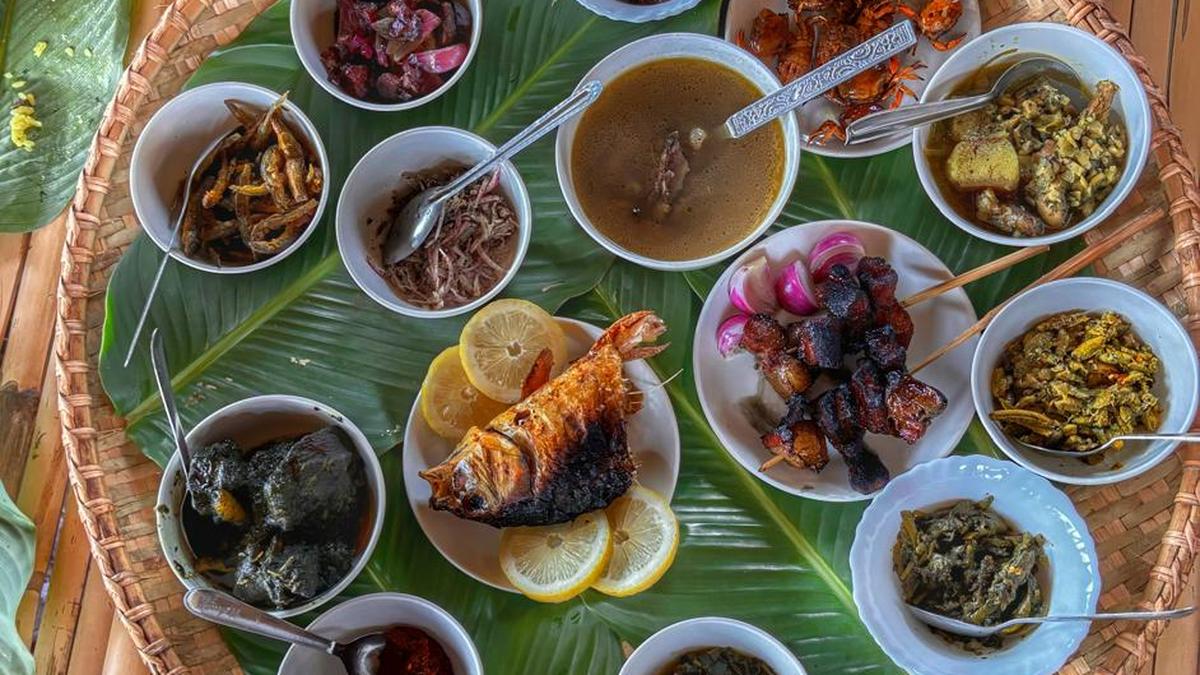
Fermented foods are one of the most celebrated culinary elements of many North-Eastern cuisines. They have cultural, ethnic, geographic, and health attributes. However, they are also very vulnerable to contamination, according to a recent study by the Indian Council of Medical Research (ICMR).
In the peer reviewed research paper titled ‘Ethnic Foods of Northeast India: Insight into the Light of Food Safety,’ the authors highlight the pressing concerns of food safety associated with these traditional preparations of fermented foods.
The study, conducted from October 2023 to March 2024, surveyed 1,227 food samples across Assam, Arunachal Pradesh, Tripura, and Sikkim. Researchers identified a 6.8% prevalence of pathogens in the samples, with Bacillus cereus emerging as the most common contaminant. Other pathogens, including Staphylococcus aureus and Listeria monocytogenes, were also detected.
Fermentation is an ancient technique of preserving food. It is a natural process through which microorganisms like yeast and bacteria convert carbohydrates into alcohol or acids. These act as natural preservatives, giving fermented foods their distinct tartness.
Fermentation, says Chef Atul Lahkar, Vice-President, North-East India Chef Association, and owner of Heritage Khorikaa Restaurant, is not just a preservation method but a way of life in the North East. “This is a huge part of our traditional foods. From Erumba in Manipur to Akhuni in Nagaland and Xukuti in Assam, each fermented dish carries a story of the people, their environment, and their cultural identity.”
Their rich heritage apart, fermented foods are very nutritious. Madhuchhanda Das, first author of the research paper said fermented foods boosted immunity and protected those who consumed them from various seasonal infections. “Many investigations have shown the health benefits of fermented foods. They are widely consumed by the ethnic populations of Northeast India. These foods are easily available, and reasonably priced as well.” Additionally, many of these traditional food items are reported to have other benefits like antioxidant, anti-inflammatory properties, as well as insulin regulating and glycemic inhibiting properties.
The process of preparation and preservation of fermented traditional foods involves various steps that can prompt contamination risks. Many of these foods like fermented bamboo shoots, fish, rice beer, leaves, radish, among other food are made using traditional methods, recipes and processes passed down through generations. There is natural fermentation, and sometimes smoking and salting is also involved in the process, with the use of minimal preservatives. Sometimes hygiene takes a hit along the way, and the absence of refrigeration alongside changing climatic conditions adds to the risk of contamination.


Erode district conducts first EVM randomisation for April 23 Assembly elections, ensuring transparency and fairness in allocation.

TNCC conducts public consultation in Erode to gather community input for its upcoming election manifesto.

CID to investigate sexual assault allegations against suspended Moodbidri Police Inspector P.G. Sandesh, reveals Home Minister Parameshwara.

A 50-year-old woman was found dead in southwest Bengaluru’s Kengeri in the early hours of Monday, the police said.

Papanasam dam's water level reaches 66.15 feet, with inflow at 76 cusecs and discharge at 300 cusecs.

Development without impact: Coastal residents of Kanniyakumari and Nagercoil constituencies voice discontent

Rampant encroachments in Tiruchi threaten pedestrian safety and traffic flow, undermining smart pavement initiatives and exacerbating congestion.

Discover Kerala's electoral history in 'Vottarivu,' a 201-page booklet released ahead of the 2026 Assembly elections.

Experts at a floriculture conference in Shivamogga stress the need to reduce greenhouse gas emissions and enhance soil carbon levels.

First randomisation of EVMs and VVPATs for Tiruchi and Perambalur districts completed with political party representatives present.

Puducherry elections see ongoing DMK-Congress rift over seat-sharing, leading to candidate conflicts on nomination day.

Einstein College and Sri Sarada College in Tirunelveli celebrated significant events, honoring academic excellence and cultural heritage.

Priyanka Gandhi criticises PM Modi's West Asia remarks, urging for a comprehensive Parliament discussion on the matter.