Trade tariffs close borders but may open doors to invasive alien species Premium
The Hindu
Invasive alien species, like the giant African snail, pose a threat to India's biodiversity and economy, requiring stronger biosecurity measures.
Around 1847, in colonial Calcutta, an unexpected visitor arrived, likely hidden in plant crates or trade goods from East Africa. The giant African snail (Lissachatina fulica) entered India without fanfare, admired at first for its size and shell. But what seemed ornamental soon revealed itself to be the country’s most persistent invasive alien species.
Thriving in the region’s warm, humid climate and free from natural predators, the snail spread rapidly with human help, from Bengal’s gardens to the farmlands of the Western Ghats. By the mid-20th century, crops and ornamental plants had been ravaged, native snails displaced, and soil ecosystems altered. Worse, the snail had become a carrier for parasites like the rat lungworm, threatening humans and wildlife.
The giant African Snail is an example of how slow-moving, unnoticed arrivals can reshape ecosystems. Poor quarantine, a lack of rigorous monitoring, and policy failures allowed this mollusc to get far and wide. A world of rising global trade and subsequent species movement increases the risk of similar invasions.
The surge in global trade since the 1800s has indirectly contributed to biological invasions in both terrestrial and aquatic ecosystems. The number of alien species rose 20x by the early 19th century. Bilateral trade agreements increased from 76 countries forming 5,700 trade pairs in 1948 to 186 countries forming over 34,000 pairs by the early 2000s. Now, trade tariffs mooted by the Trump administration in the U.S. are contributing to changing, reviving or initiating new trade deals between countries.
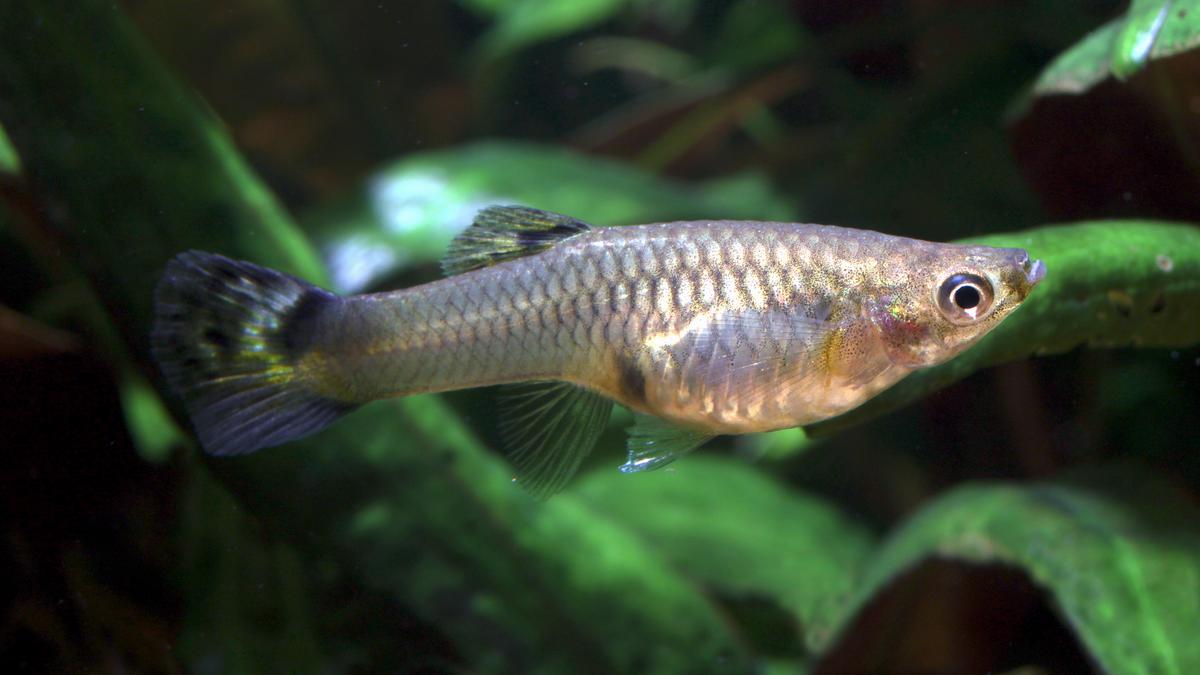
Invasive alien species are introduced by increased human activity around the globe. The introduction of these exotic species can be deliberate or accidental. For example, the introduction of cane toads (Bufo marinus) in Australia, Gambusia in India and Poecilia reticulata in Japan are examples of deliberate biocontrol initiatives gone wrong. On the other hand, accidental introductions often happen via the export and import of biological goods, such as timber, plant products, vegetables, fruits, and grains.
Biofouling is one such introduction scenario. When ships travel between countries without cargo, they are filled with ballast water to help the ship stay stable on the high seas. Biofouling — the undesirable accumulation of plants, animals, and algae on surfaces — sometimes occurs during the filling and flushing of ballast water, transporting exotic species from one region to another. The Asian paddle crab was introduced from the Northwest Pacific and East Asian waters to New Zealand, where it carries the white-spot syndrome virus, in this way.
Shifting trade agreements and new ties between previously unlinked nations may further the spread of novel invasive alien species between continents. Countries may focus on forming relationships rather than imposing stricter sanctions on imports from new trade alliances. Some nations may not have the infrastructure to support checks on imported or exported goods given the sudden rise in new trade partners. In such scenarios, India too is at risk of letting more invasive alien species enter our borders.


Discover the Minor Planet Centre, the key hub for tracking and verifying observations of small solar system bodies.

In this week's Science for All newsletter, XX explains

Test your knowledge with the quiz on Science films at the Oscars through history

Set between the Siwalik hills and the plains, Butwal offers travellers a mix of regional cuisine, pilgrimage trails to Lumbini and the comfort of Hyatt’s new hospitality landmark

Explore 2026's wallpaper trends in India, highlighting botanicals and handmade designs that enhance modern homes with nature-inspired aesthetics.

Mercedes-Benz CLA 250+ with EQ Technology review: design, performance, range and features explained. Discover how the new electric CLA combines advanced AI, long range, fast charging and futuristic styling for the next generation of luxury EVs.

AI tool for sparrow conservation

BTS’s comeback with ‘Arirang’ marks a major global music event. When does the album release, and where can you watch their concert live stream? We have all the details

The 2026 U.S. cholesterol guidelines urge starting screening and treatment at 30 to prevent cardiovascular disease effectively.

Olam Festival 2026 in Thiruvananthapuram returns March 27-29 with 120+ vendors, music, art, and cultural zones.

A few storytellers in Thiruvananthapuram share their journeys, challenges, and evolving methods on World Storytelling Day, inspiring young minds.

76-year-old Kurian Jacob from Kerala triumphs with seven medals, including five golds, at the Open Masters Games in Abu Dhabi.

Explore the nature of the human mind as an emergent property of brain activity and complex neural interactions.