Tiny animals use stolen genes to fight infections – and could fight antibiotic resistance too
The Hindu
Microscopic animals copy antibiotic recipes from bacteria to fight infections, offering potential shortcuts in drug development.
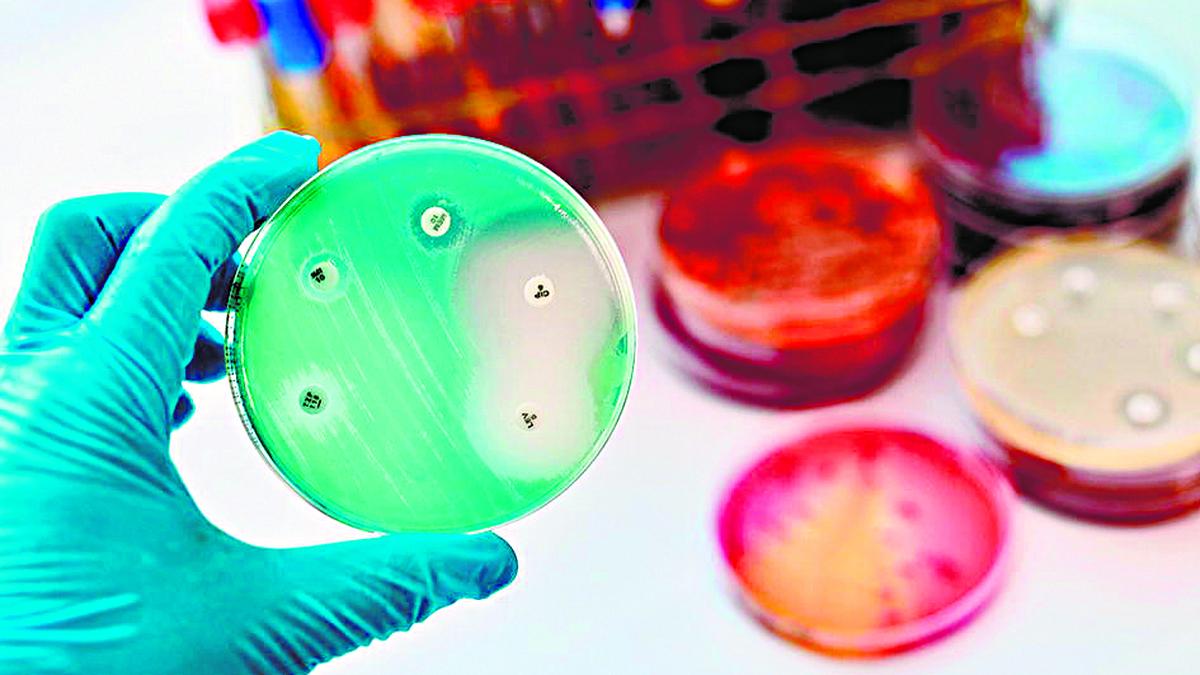
A little-known group of microscopic animals has spent millions of years copying recipes for antibiotics from bacteria and using them to fight infections, we have shown in a new paper. We think this unusual defensive strategy could offer short-cuts in the race to develop antimicrobial treatments.
More than 1.2 million people worldwide are killed by drug-resistant bacteria each year. Antibiotics are used to treat serious bacterial infections. Similar drugs called antifungals treat infections caused by yeasts and moulds, which are also on the rise. Together, these antimicrobial chemicals are essential to modern medicine, but with resistance increasing, the World Health Organisation recently warned of a pressing need for new drugs.
Like many scientists, we were concerned about antimicrobial resistance, but we didn’t think our day-to-day research had much to do with it. We spend our time looking down microscopes at tiny animals, about a hair’s breadth in size. Most people have never heard of these creatures. They have a strange name: bdelloid rotifers. Pronounced DELL-oid WROTE-if-furs, it means “crawling animals that carry wheels on their heads”. They live everywhere in the world with freshwater: in ponds, streams and lakes, even where the water sometimes dries up or freezes, like moss, soil, puddles and ice sheets.
About one in ten of their genes have been copied from different kinds of life, including bacteria, fungi and even plants. To give some idea of how out of place these genes are in animals, imagine a cat with blades of grass scattered among its fur, or a dog whose tail is a mushroom.
No other animals are known to import genes on such a scale. Earlier research found that the rotifers have been picking up DNA that doesn’t belong to them for millions of years, but a big puzzle is what they are doing with these thousands of stolen genes.
Stealing genes from other species is called horizontal gene transfer. It is common in bacteria, and while it is unusual in bigger and more complicated creatures, more and more examples are coming to light. Scientists still aren’t sure how it happens, but the transferred genes often carry out functions that give their new owner an edge in the evolutionary fight for survival.
When we exposed rotifers to a deadly fungal disease that specifically infects them, we discovered that they switched on hundreds of the stolen genes to fight the infection, far more than expected by chance. Our next surprise was what these stolen genes are doing. The most strongly activated genes looked like instructions for antimicrobial chemicals that we didn’t think animals could make.


Vibha Batra’s latest book, Spotless (Hachette India) is a novel in verse for young adults

In its first edition, the Madras Art Salon spotlights the works of journalist and artist Narayan Lakshman at The Botanical Club, a social space in the British Deputy High Commission, Chennai

Cholesterol enhances melanoma cell invasion by making nuclei squishier, revealing a potential treatment target in cancer progression.

The designers reinterpret the Swedish artist’s symbolic forms and colour energy through contemporary resortwear silhouettes

Discover the inspiring legacy of Bibha Chowdhuri, a pioneering woman in physics and a trailblazer in STEM history.

Discover the inspiring legacy of Bibha Chowdhuri, a pioneering woman in physics and a trailblazer in STEM history.

Ashdeen’s Spring 2026 collection features saris inspired by the designer’s Parsi gara archive

Red ochre burials, ritual markings and myths across cultures show that red repeatedly marks liminal thresholds such as puberty, sacrifice and death; anthropologists argue that the colour functions as a technology of collective ritual and value, binding communities through shared symbolic acts

India approves 23 institutions for quantum labs under the National Quantum Mission, aiming to advance quantum technology and research.

India approves 23 institutions for quantum labs under the National Quantum Mission, aiming to advance quantum technology and research.

The Gaza conflict exacerbates environmental damage, emitting millions of tonnes of CO2 and threatening climate stability in West Asia.

Chefs and cookery experts share smart kitchen hacks, hybrid cooking methods and appliance tips to help households reduce LPG use without compromising on food

Discover groundbreaking research on Titan's lakes, bat vaccinations, and the unique aroma of ripening bananas in just one minute.