Three Eswatini chiefdoms overcome rivalry to preserve indigenous forest
Al Jazeera
Illegal poaching of wildlife and plants in Jilobi Forest threatens the biodiversity hotspot in the Southern African kingdom.
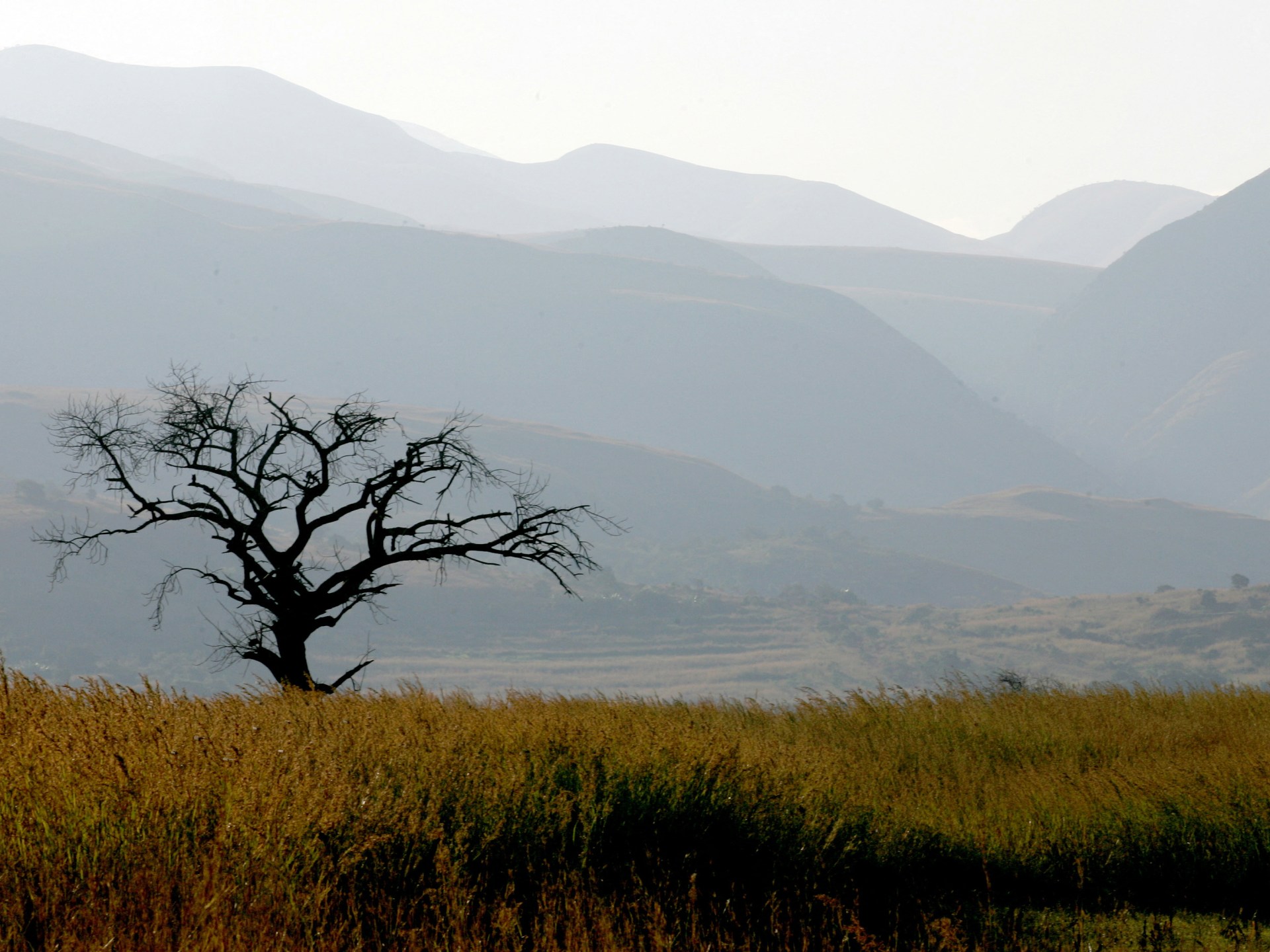
Lubombo, Eswatini – In the heart of the Jilobi Forest, a biodiversity hotspot in Eswatini’s eastern region of Lubombo, the three chiefdoms inhabiting the territory had longstanding disputes, and tensions used to run high.
But recently, an urge to preserve their shared land has caused them to retire their rivalry.
“There were disputes over boundary lines and resources management that strained relations and hindered peaceful coexistence,” said Muzi Maziya, a 32-year-old from the Lukhetseni constituency, one of the chiefdoms in the remote area of the country formerly known as Swaziland.
“Most of the disputes resulted in illegal activities like wood-cutting and livestock theft by outsiders and people from the communities who took advantage of the polarisation.”
The rivalries, which date back to the 1980s among the chiefdoms of Maphungwane, Tikhuba and Lukhetseni, posed a grave threat to the diversity of the Jilobi Forest, according to environmentalists.


As toxic clouds smother Tehran and rain falls, analysts say Israel’s aim is to break the resilience of the Iranian people.

Mojtaba Khamenei has succeeded his father, Ayatollah Ali Khamenei, who was assassinated in joint US-Israel attacks.

Men ‘lured’ into fighting in the Ukraine war say Africans were subjected to worse treatment on the front lines.

Rouhani’s legacy of pragmatism and moderation gains renewed relevance amid Iran’s sensitive leadership transition phase.

Iran hosts some 3,000 Pakistani students, who stare at an uncertain future after the US and Israel bomb the country and force them to flee.


Ali Larijani is a longtime Iranian political insider, often viewed as a pragmatist, who has an important role following the killing of Supreme Leader Khamenei.

Israel’s response to Hezbollah attack kills at least 31 people and leads to mass displacement in Lebanon.

Crossing closures following the Israel-US war with Iran lead to panic buying in Gaza, where residents fear food shortages.

The US president called for IRGC members to lay down their arms or face ‘certain death’. Here’s how he misunderstands the IRGC.

Iran’s supreme leader has been killed in a joint US-Israeli air strike.