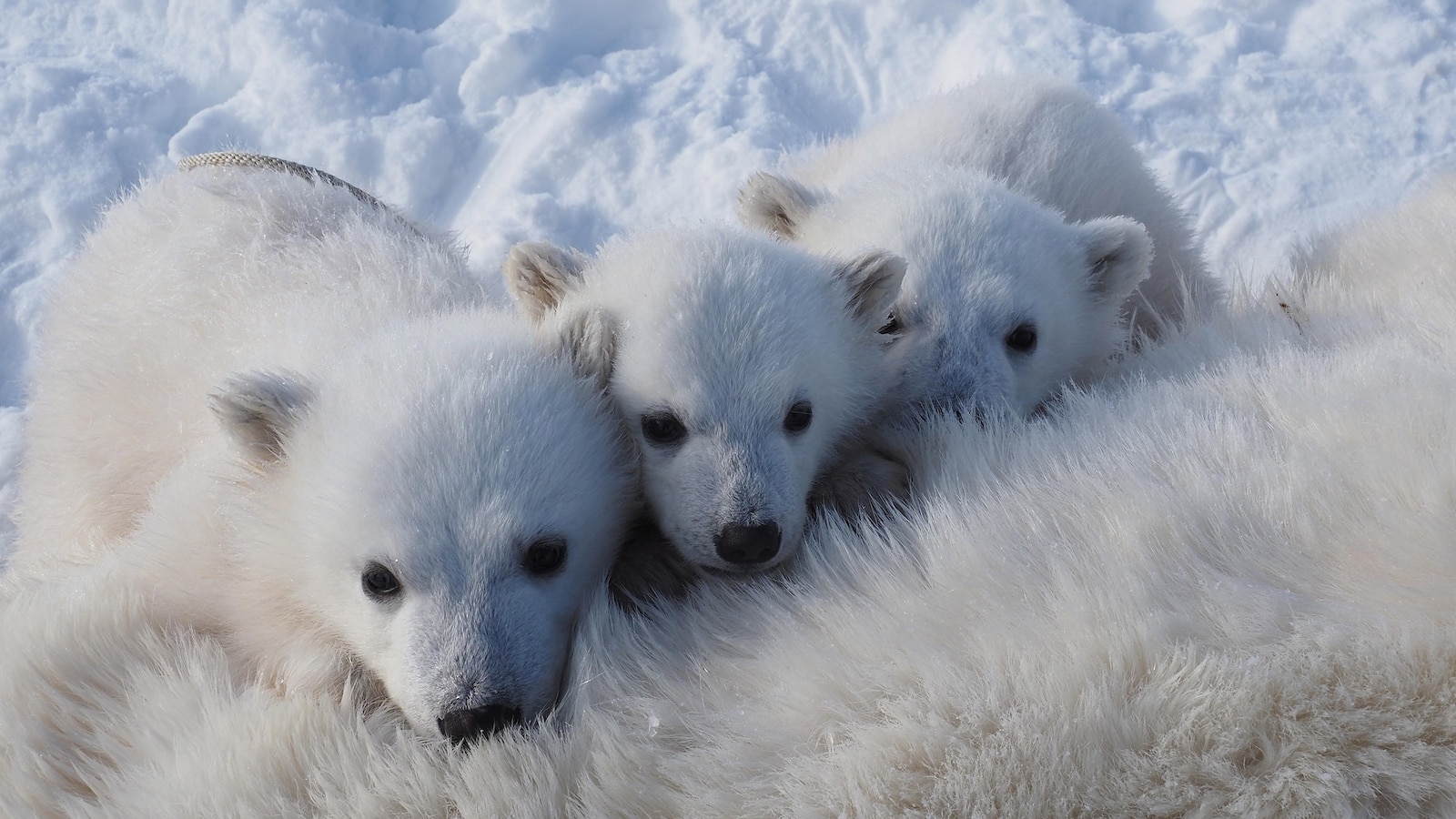
This polar bear population is thriving despite some of the most drastic sea ice loss in the Arctic
ABC News
Not all polar bear populations are declining as a result of sea ice loss, according to new research.
Not all polar bear populations are declining as a result of sea ice loss, according to new research.
Polar bears that live along the Barents Sea near Svalbard -- the archipelago between Norway and the North Pole -- appear to be thriving, despite the region experiencing some of the most drastic sea ice loss in the Arctic, according to a study published Thursday in Scientific Reports.
The body conditions of these bears have actually improved amid the sea ice loss -- a stark difference from previous observations of declines in polar bear populations that coincide with global warming, the researchers found.
Every spring, researchers in Norway capture polar bears to study them, Jon Aars, senior scientist at the Norwegian Polar Institute and lead author of the paper, told ABC News. From a helicopter, they immobilize the bears and then take samples and measurements -- including their body weight and length of an animal, so they can determine how much fat the bears have on them.
"The more fat, the more healthy you can say the bear is," Aars said.


Former Brazilian President Jair Bolsonaro’s kidney function has improved but he will remain in an intensive care unit because of pneumonia

Pope Leo XIV has urged a ceasefire in the Middle East and called on leaders in the Iran war to reopen talks

Ukrainian President Volodymyr Zelenskyy says he is ready for the next trilateral peace talks with the U.S. and Russia, but the meeting depends on Washington and Moscow

Yemen’s Iran-backed Houthi rebels are staying on the sidelines as the Iran war expands

Taiwan is seeing a surge of Chinese military planes near the island after a sharp drop in flights over the past two weeks had sparked discussions among observers

French voters are heading to the polls to choose new municipal teams in an early test for political parties before next year’s presidential elections

Kazakhs are voting Sunday in a referendum on a new constitution that analysts say could allow President Kassym-Jomart Tokayev to extend his hold on power beyond his current term

North Korea says leader Kim Jong Un has observed a live-fire test of multiple rocket launch systems to examine the country’s war deterrence

Thousands of people have protested in Italy against wars in the Middle East and proposed judicial reforms by Italian Prime Minister Giorgia Meloni

The United States flag has been raised over its embassy in Caracas for the first time since 2019

A hospital in the capital, Brasilia, says former Brazilian President Jair Bolsonaro's kidney function has worsened at the intensive care unit to which he was transferred hours earlier

Pope Leo XIV is moving into the newly renovated papal apartment in the Apostolic Palace

A group of residents of a city in central Cuba have taken to the streets and partially destroyed the local headquarters of the ruling communist party