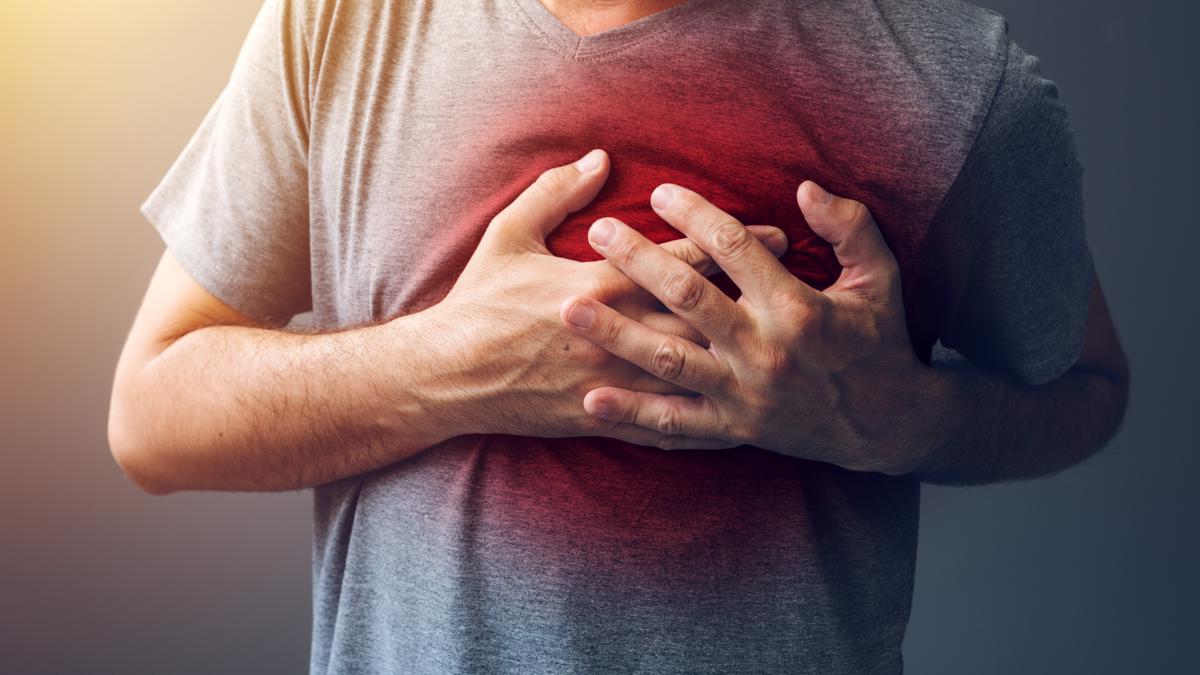
There is life after a stroke, with proper rehabilitative therapy
The Hindu
Diya, a 20-yr-old BDS student, suffered a major stroke following a rare complication post-COVID vaccination. With family support, she made a full recovery. In contrast, 42-yr-old Francis, a fisherman, was paralysed on one side of the body and confined to bed due to lack of support. Interdisciplinary stroke care, community-based support groups, and awareness of stroke are essential for recovery. India has 566 stroke centres, of which only 360 have thrombectomy facilities, mostly in the private sector. Kerala has de-centralised stroke care with commendable results. Governments must invest more in stroke prevention and rehabilitation.
In April 2021, in the midst of the pandemic, Diya, a 20-year-old BDS student was rushed to the emergency stroke unit of Sri Chitra Tirunal Institute for Medical Sciences and Technology (SCTIMST). She was in a coma following a major stroke. She had severe brain swelling and needed emergency surgery. As she was rolled into the theatre, no one would have believed that two years later, she would live to tell her tale.
On World Stroke Day, Diya, now into her third year BDS, stood before a packed audience at SCTIMST and spoke about her long and often frustrating journey of recovery, the depths of depression and despair that she often sunk into and how her loved ones never let her give up on herself. “Diya suffered a rare complication following the COVID vaccination: venous thrombosis. This resulted in a major stroke. Post-surgery, she had weakness in her limbs, her speech was affected and it took a year of rehabilitation for her to recover. She was young, highly motivated but most importantly, her family was with her every step of the way, which made a full recovery possible,” said Sylaja PN, Professor and Head of Neurology, who heads the Comprehensive Stroke Care Centre at SCTIMST.
In sharp contrast, far away in a small shack behind a row of small two-room houses off the coast of Poovar, lies 42-year-old Francis. He was on a fishing boat at sea, along with his brothers and friends, when he suffered a major stroke. By the time he was brought ashore and taken to the hospital, much time had elapsed. He was treated in the Government Medical College for over a month and discharged, because “there was nothing more to be done”.
Paralysed on one side of the body, his speech incoherent, Francis is now confined to his bed. He spends his days alone because his wife has to go fish vending to feed their family of five. Apart from the palliative care volunteers who make a weekly visit to change the urine catheter, he has no contact with the outside world . The once robust fisherman is now a bag of bones, with atrophied muscles . Tears trickle down the corner of his eye, when the palliative nurse holds his hand and asks him, “Sukhamano ?” (Are you good?)
“There is life after a stroke. With proper rehabilitative therapy, family support, motivation and mental health support, most stroke survivors can make a good recovery and lead near-normal lives. They can at least be made independent so that they do not become a burden on their families. Some very motivated patients like Diya make a complete recovery. But each person’s life and socio-economic background is different. It is sad but the after-stroke life of 50-60% of stroke survivors in the country resonates with that of Francis,” Dr. Sylaja said.
At least two-thirds of stroke survivors experience motor, sensory, visual, swallowing, language, cognitive, and psychological impairments that can limit daily activities and restrict participation in family, work, and social life
According to literature, the proportion of people with disability five years after a stroke ranges from 25% among those who had minor strokes to about 50% among those who had moderate strokes and 80% among those who had severe strokes. Ten years after a stroke, roughly half of survivors continue to remain disabled..


VCK leader Thirumavalavan emphasizes the need for local candidates amid concerns over past electoral losses due to outsiders.

Women teachers over 50 express discontent after Revenue Department denies blanket exemption from SIR and census duties in Karnataka.

Union Minister skips crucial NCTP meeting amid backlash over controversial Transgender Rights Bill, raising concerns within the community.

Former Minister Semmalai urges parties to limit freebies and prioritize development for Tamil Nadu's future prosperity.

New Mangalore Port will receive 72,700 tonnes of LPG next week, including a 16,714-tonne discharge on March 22.

The Centre lifts air fare caps after three months, citing stabilized operations and rising aviation fuel costs amid geopolitical tensions.

Residents of Salem South demand solutions for traffic congestion, mosquito issues, and inadequate drinking water supply ahead of elections.

Experience Guuranda in Chennai: A captivating blend of Narungga stories, dance, music, and shadow puppetry celebrating Aboriginal culture.

Police warn against downloading APK files and clicking suspicious links to avoid falling victim to cyber fraud.

CM A. Revanth Reddy reviews Bhadrachalam temple development plans, targeting completion by March 2027 while adhering to Agama Shastra.

First-half blitz helps Punjab FC drub Kerala Blasters FC

Vellore Mayor Sujatha Anandakumar and a councillor face legal action for violating the Model Code of Conduct by distributing sports equipment.

Supreme Court judge Justice Nagarathna highlights government's role in court backlog, urging judicial reforms for effective litigation management.