Theatre as an antidote to loneliness
The Hindu
Jehan Manekshaw's journey from theatre education to cultural revitalization in Mumbai, shared in an insightful interview.
From studying theatre at Wesleyan University in Connecticut and Birkbeck College in London to working as an associate executive producer with Zarina Mehta and Ronnie Screwvala at UTV, to becoming the Director (Strategy and Vision) at Drama Schools Foundation Mumbai (DSFM), Jehan Manekshaw has come a long way. DSFM is the parent organisation under which thrives a drama school, an e-learning initiative for aspiring theatre makers, a theatre education initiative in schools, a corporate training initiative and more.
Having been an integral part of Mumbai’s theatre ecosystem for over 25 years, Manekshaw is now channelising his energy towards building ‘Mumbai Theatre District’ — a dream project to “revitalise South Mumbai as a cultural hub for theatre”, like Broadway in New York or London’s West End. “Corporates need to understand the role of art and culture in societal well-being,” he says. “And the government needs to get behind the enabling of spaces where art and culture can be supported.” Edited excerpts from an interview:
A: Storytelling has changed from the listenership side or the viewership side because we have to accept the reality of mobile phones. We cannot do a three-hour play anymore. On the other hand, live entertainment does have its place now because people are looking for ways to reinfuse their senses that have become captive to digital devices. Theatre is allowing people to connect deeply. It is the root form or medium of storytelling. It came much before cinema arrived.
Think of how much smarter and more enabled a content creator would be if they had a theatre background with strong foundations in the fundamentals of scene, emotion, acting, and performance. I have been thinking of bringing some really good theatre makers and content creators to jam and see what comes out of it. People have been saying that theatre is dead, but it just won’t die. It could take on a new avatar, but it won’t die.
A: I’ll be honest. It’s not easy paying for the course itself. It costs around ₹6 lakh per student. We try and find as many benefactors as possible to give student scholarships. Additionally, the drama school itself gives bursaries and discounts to help students bridge the gap. It is not an MBA programme, so there is no immediate campus placement at the end. They have to go out and freelance, so it is a struggle. But, in Mumbai, they find all kinds of jobs alongside pursuing theatre. They do ad films, they become assistant directors on movie sets. Some take up writing gigs and digital assignments.
We have alumni leading corporate training workshops using theatre. We also have alumni who become poets, storytellers and spoken word artists. Many go back to their hometowns and launch their own initiatives. One of our students has become a theatre godfather in Mysuru. Another has started an evening drama school in Ahmedabad. The ripple effect is lovely. We hope these students enrich society in their own way.
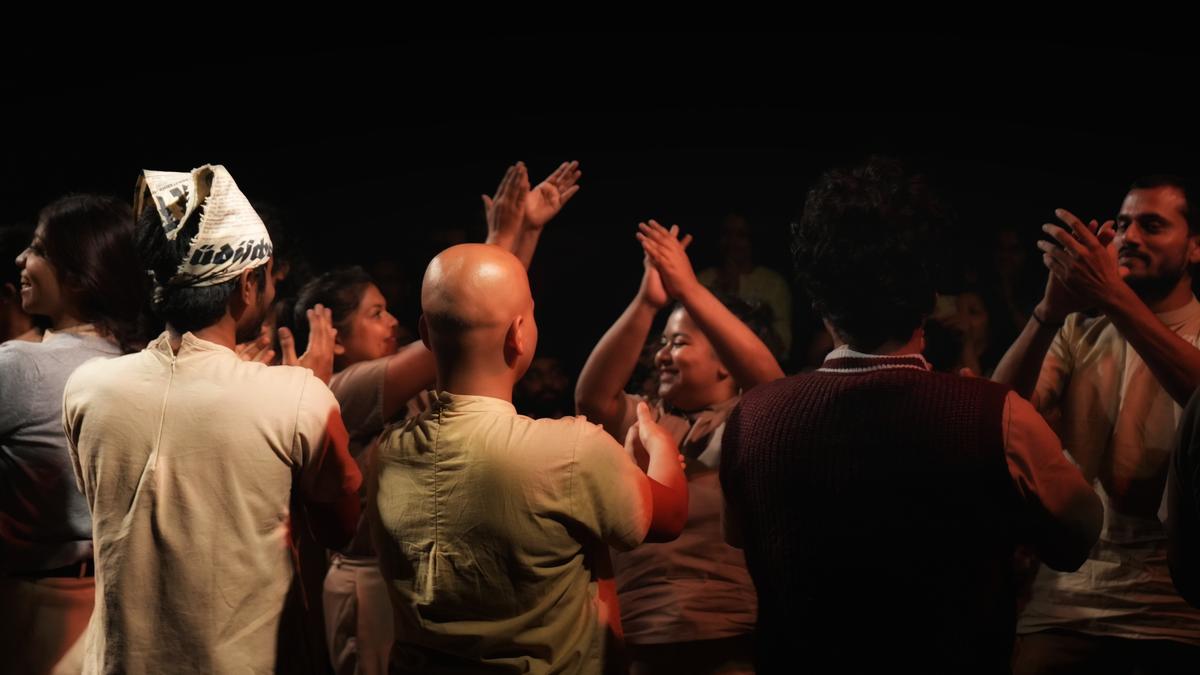
A: Theatre is about connection, about not feeling alone. The theatre-making and rehearsal process is about holding space and allowing people to be themselves. In this, there is safety and healing. Theatre is also used in arts-based therapy. The work of Brazilian theatreperson Augusto Boal, in particular, has been quite powerful. His theatre is the kind where people get to express what they feel and think, and share why they are making certain decisions. They feel both seen and heard.


South African naturalist Steve Boyes speaks on ghost elephants, ancestral tracking, and Werner Herzog’s documentary exploring Angola’s elusive highland giants

Actor-director Amol Palekar will receive META's Lifetime Achievement award for 2026 on March 25 in New Delhi.

India's artists unite against rising censorship, advocating for creative freedom and support for marginalized voices in the arts.

Written and directed by Kunal, the film also stars Sparsh Shrivastava and Vanshika Dhir

This year, Bharatnatyam artistes will present the Tyagaraja Aradhane as a dance performance

This year, Bharatnatyam artistes will present the Tyagaraja Aradhane as a dance performance

The actor, along with director Sushant Shah, speak about their upcoming series ‘Chiraiya’, Divya’s process of working on the dialect, Sushant’s approach to telling a story about women, and more

An independent video, ‘Feel the Spark’ by Raleigh Rajan with vocals by Ciera Dumas that celebrates Tamil literary giants, garnered 1.4 million views in less than 36 hours.

In ‘Jack Ryan: Ghost War’, John Krasinski is back as the savvy CIA analyst, diving headfirst into a high-stakes mission that unravels a deadly conspiracy and pits him against a rogue black-ops unit

Shriram Bharatiya Kala Kendra’s Shankarlal festival showcased rare ragas, radiant artistry, and inclusive performances, from Pt Madhup Mudgal’s serene morning ragas to Ramana Balachandran’s Saraswati veena.

Explore "Threads that Bind: The Kantha Project," an exhibition in Delhi reimagining kantha as a medium of repair and renewal.

Sean Penn skips the Oscars to meet Ukraine's Zelenskyy, who praises him as a "true friend" amid the war.

The teaser of Tamil star Suriya’s much-awaited film with director Venky Atluri, titled Vishwanath and Sons, was unveiled by the makers on Monday