The world has welcomed India’s G20 agenda because it signals inclusivity, says UNDP’s Noda
The Hindu
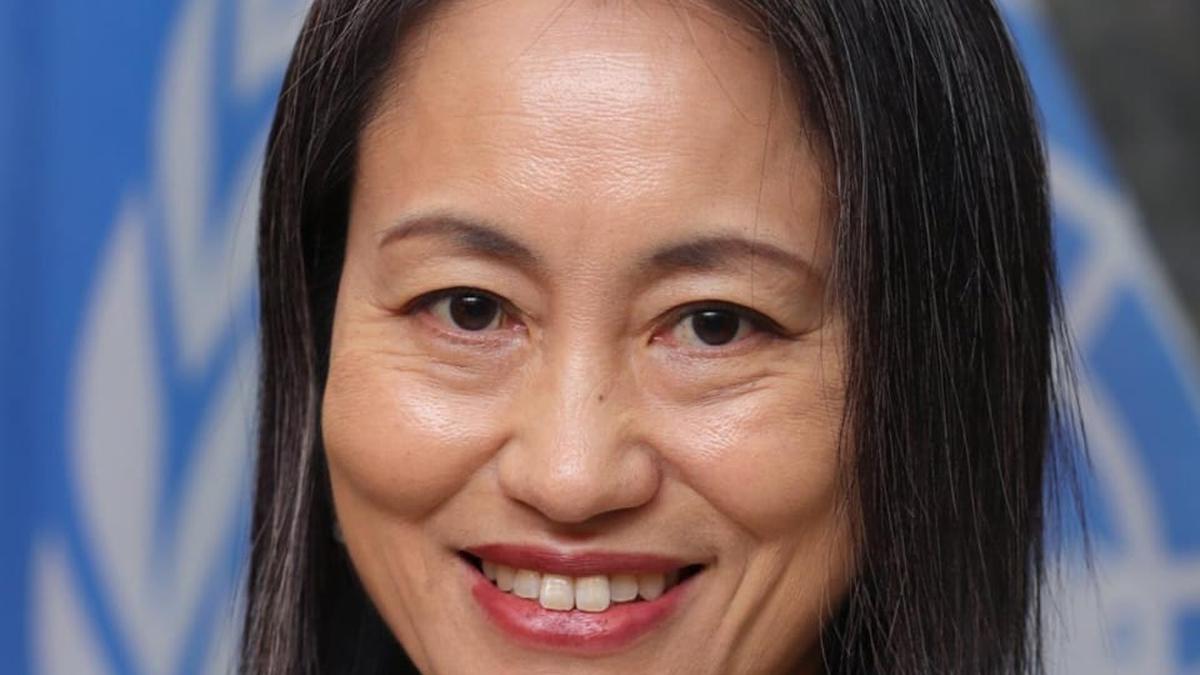
India’s G20 Presidency is significant as it has come at a time of unprecedented global uncertainty aggravated by the war in Ukraine, a compounding cost-of-living crisis due to the war, tightening financial conditions, and unsustainable debt burdens, in the backdrop of an escalating climate crisis, said Shoko Noda, Resident Representative, United Nations Development Programme (UNDP) India.
India’s G20 Presidency is significant as it has come at a time of unprecedented global uncertainty aggravated by the war in Ukraine, a compounding cost-of-living crisis due to the war, tightening financial conditions, and unsustainable debt burdens, in the backdrop of an escalating climate crisis, said Shoko Noda, Resident Representative, United Nations Development Programme (UNDP) India.
“We are very encouraged how the Indian Presidency has focused on some of these critical issues: elevating a Sustainable Development Goal (SDG) action plan to the G20 fora – something that the UN Development System has been calling for since 2015; putting forward an ambitious focus on the intersection of climate and development through its LIFE (lifestyles and environment) proposal; prioritising women-led development, and putting a critical emphasis on financing for development and climate financing as we move forward,” she said in an emailed interview.
The focus on structural issues, from how the world adopts digital technologies to leapfrog challenges of development; to how to build infrastructure that is sensitive to disaster and risk reduction; and address climate adaptation and sustainable consumption and production patterns are also a welcome step, she added.
“India’s G20 Presidency can contribute to the global discourse on some of these key challenges and shape policies that can have a far-reaching impact on the world economy and international relations,” Ms Noda said.
“These issues also represent developing country concerns that future Brazilian and South African presidencies can build upon,” she added.
On what steps India should take to ensure a successful Presidency of G20, she said the world welcomed India’s G20 agenda because it signals an inclusivity agenda.
“Macroeconomic implications of food and energy insecurity, climate change, strengthening Multilateral Development Banks (MBDs), financing inclusivity, equitable and sustainable growth, digital public infrastructure, bridging inequalities through women-led development, and climate financing are critical issues for the world, and by bringing them to focus on its Presidency India has already shown greater leadership,” she said.


The rupee declines 20 paise to 93.73 against the dollar as global oil prices rise and investor uncertainty persists.

Siemens said on Monday that the Iran war has led to customers holding back on new investments as prices increase for raw materials and energy.

OpenAI said its close ties with Microsoft could be a potential risk to its business, telling investors that the software company is responsible for “a substantial portion of our financing and compute,” CNBC reported

LPG crisis: Alternative solutions are being considered, with ammonia cylinders being increasingly used for industrial applications amid delays in commercial LPG deliveries.

India monitors U.S. military pause on Iran as oil prices dip; External Affairs Minister engages with GCC nations for support.

India monitors U.S.-Iran tensions as Trump pauses attacks, leading to a significant drop in oil prices.

Union Minister Ashwini Vaishnaw launches three initiatives to enhance India's creative economy through AI training, citizen platforms, and advanced tech access.

Two Indian-flagged LPG tankers approach the Strait of Hormuz, navigating safely amidst regional tensions to reach Indian ports.

Gold and silver prices plummet over 7% due to West Asia tensions, inflation fears, and a stronger dollar.

Asian shares fall as rising oil prices and escalating Iran conflict diminish hopes for U.S. interest rate cuts.

Japan's SoftBank Group said Saturday it plans to build a huge new gas-fired power plant in the US state of Ohio

Silver prices plunge 9% to ₹2.06 lakh per kg in futures trade amid weak global cues and rising macroeconomic pressures.

OpenAI plans to nearly double its workforce to 8,000 from 4,500 by the end of 2026, the Financial Times reported on Saturday, citing two people with knowledge