The Science Quiz | Discoveries that transformed their fields
The Hindu
The Science Quiz | Discoveries that transformed their fields
Questions:
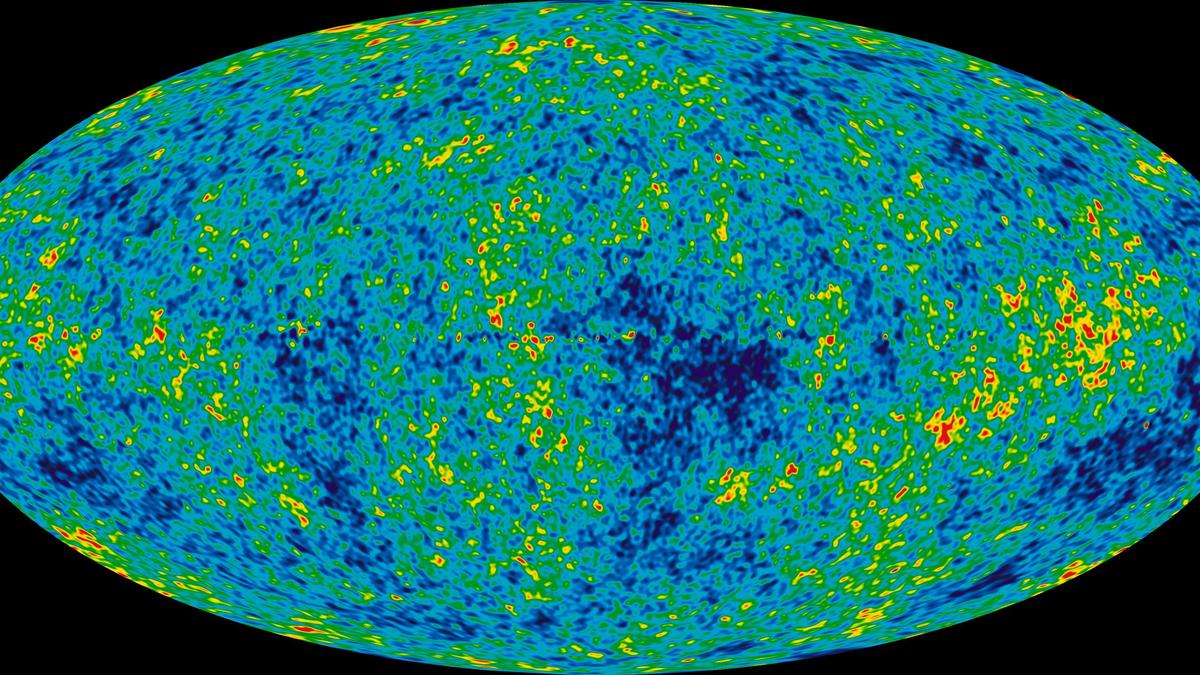
1. The accidental discovery of X in 1964 — even though its existence had been predicted in 1948 — set off a series of important studies into the evolution and structure of the universe. For example, in 1987-1988, the examination of one of its features suggested the universe was almost flat, not curved. What is X?
2. In the early 20th century, scientists were struggling to explain how far-flung areas on different continents shared ecological similarities. Name the German geologist who posited an explanation called continental drift, which matured in the next five decades into the theory of plate tectonics.
3. While a variety of ancient philosophers imagined the earth could be orbiting a “fire” at the centre of the universe, Nicolaus Copernicus presented its first mathematical model. Likewise, who introduced the concept of elliptical orbits in this heliocentric model?
4. In 1859, Charles Darwin introduced the theory of natural selection as the means by which species evolve. Name the American scientist who found that mutations in genes are the fundamental biological source of diversity.
5. Before the discovery of oxygen and the process known as oxidation, scholars explained combustion by positing that combustible objects contained an element called __________ that became liberated when the objects caught fire. Fill in the blank.
Visual:


Vibha Batra’s latest book, Spotless (Hachette India) is a novel in verse for young adults

In its first edition, the Madras Art Salon spotlights the works of journalist and artist Narayan Lakshman at The Botanical Club, a social space in the British Deputy High Commission, Chennai

Cholesterol enhances melanoma cell invasion by making nuclei squishier, revealing a potential treatment target in cancer progression.

The designers reinterpret the Swedish artist’s symbolic forms and colour energy through contemporary resortwear silhouettes

Discover the inspiring legacy of Bibha Chowdhuri, a pioneering woman in physics and a trailblazer in STEM history.

Discover the inspiring legacy of Bibha Chowdhuri, a pioneering woman in physics and a trailblazer in STEM history.

Ashdeen’s Spring 2026 collection features saris inspired by the designer’s Parsi gara archive

Red ochre burials, ritual markings and myths across cultures show that red repeatedly marks liminal thresholds such as puberty, sacrifice and death; anthropologists argue that the colour functions as a technology of collective ritual and value, binding communities through shared symbolic acts

India approves 23 institutions for quantum labs under the National Quantum Mission, aiming to advance quantum technology and research.

India approves 23 institutions for quantum labs under the National Quantum Mission, aiming to advance quantum technology and research.

The Gaza conflict exacerbates environmental damage, emitting millions of tonnes of CO2 and threatening climate stability in West Asia.

Chefs and cookery experts share smart kitchen hacks, hybrid cooking methods and appliance tips to help households reduce LPG use without compromising on food

Discover groundbreaking research on Titan's lakes, bat vaccinations, and the unique aroma of ripening bananas in just one minute.