The Rayalaseema town that cherishes its British legacy Premium
The Hindu
Recounting the history of the British Raj in the Madanapalle region of Andhra Pradesh
The very mention of Madanapalle of the Annamayya district reminds one of the cool climes and the misty Horsely Hills. However, not many are aware that Madanapalle was once a nondescript hamlet with no name. It was surrounded by bald hillocks and was reigned over by thugs in the 16th Century.
The town rose to fame as the ‘Maryada Ramanna Kshetram’, which later became ‘Madanapalle’ in the late 18th Century during the transition of power from the Nizams to the British rulers.
It was the British rulers who loved the region for its cool climate and found it a haven to escape the blistering heat of the Kadapa district.
Mohana Valli, English lecturer at Government Women’s Degree College, Madanapalle, believes that she is fortunate to have had first-hand information about the turbulent period of the British Raj between the two Great Wars and the Anglo-Indian life of the post-Independence period.
“The narrator was none other than my maternal grandfather, Bandi Venktrayappa, who died at the age of 102 in 1995. A follower of Annie Besant and a contemporary of Jiddu Krishnamurthy, my grandfather named her elder daughter, my aunt (mother’s elder sister) Annie Besantamma in those days,” she says.
Similarly, several families in the erstwhile Madras Presidency, which ruled the ceded districts, used to christen their newborns after Sir Thomas Monroe (1761-1827) as Monrolappa, Ms. Mohana Valli quotes her grandfather. She attributed the bonding between the people of the erstwhile Madras Presidency and the British Raj to the latter’s “Good Samaritan outlook”.
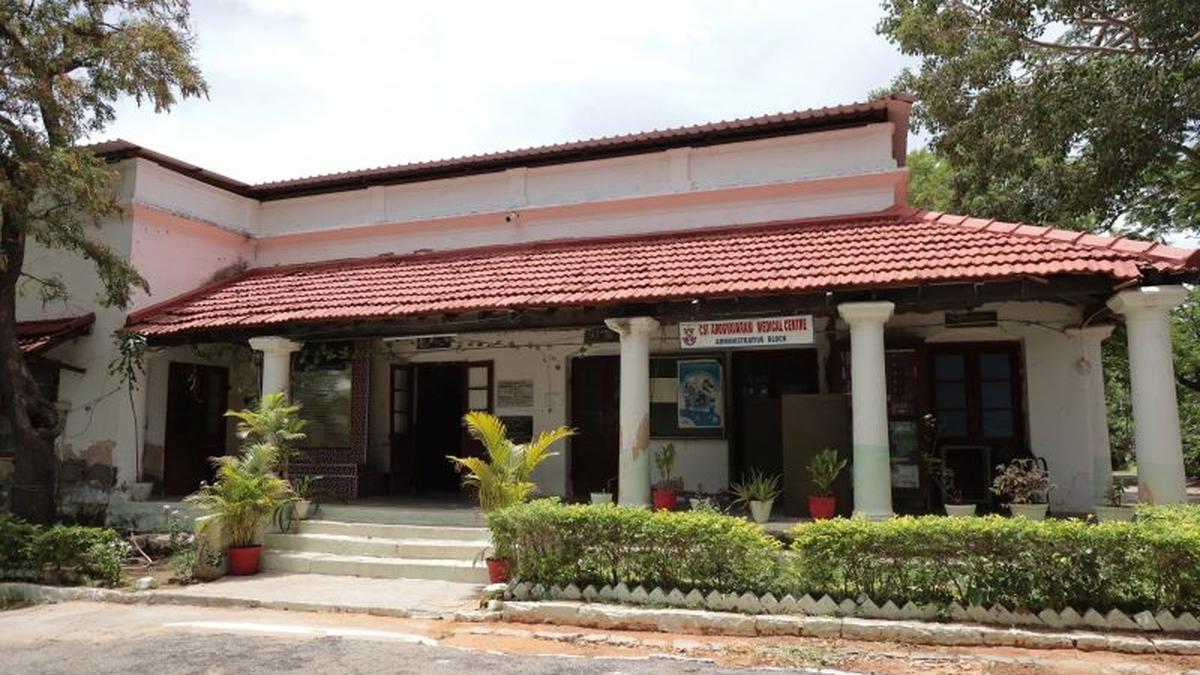
True to her words, Madanapalle has witnessed unprecedented development since Monroe’s maiden visit to the region in 1800. This development resulted in the formation of the “famine roads,” hospitals, educational institutions, and majestic buildings, which continue to house government offices.


IndiGo's Q3 profit plummets 78% to ₹549.1 crore despite increased total income amid operational disruptions.

New traffic rules in Belagavi ban heavy vehicles during peak hours to reduce congestion and enhance public safety.

UPC Volt to invest ₹5,000 crore in Telangana for an AI-ready data centre powered by renewable energy

Mandya district gets its first public EV fast-charging unit, to promote electric vehicle usage and green energy.

Doctors at Kauvery Hospital, Chennai, successfully performed a complex heart valve procedure on a 78-year-old patient.

Jose K. Mani's private meeting with Kochi bishop sparks political speculation amid internal disputes within Kerala Congress (M).

The Jal Shakti Hackathon at UVCE Bengaluru promoted innovative solutions for water crises through interdisciplinary collaboration and student engagement.

Four Army personnel killed and nine injured as their vehicle falls into a gorge in J&K’s Doda district.

PM Modi to launch three Amrit Bharat Express trains and a passenger service in Kerala on January 23, 2026.

Vizhinjam seaport in Kerala to commence its ₹9,700 crore second phase expansion on January 24, enhancing capacity and infrastructure.

Actor Vijay’s Tamilaga Vettri Kazhagam receives the 'Whistle' symbol for the 2026 Tamil Nadu Assembly elections.

Supreme Court declines to issue broad directives for stampede prevention, emphasising judicial limits in crowd management and law enforcement.

Shorts News:Watch: Three charred to death in bus accident in Andhra Pradesh