The Covid-19 public health emergency is over, but tales of loss remain. This website offers the bereaved a digital safe space
CNN
Much of society has moved on from the pandemic that began four years ago. But for some, the grief of a Covid-19-related loss still lingers.
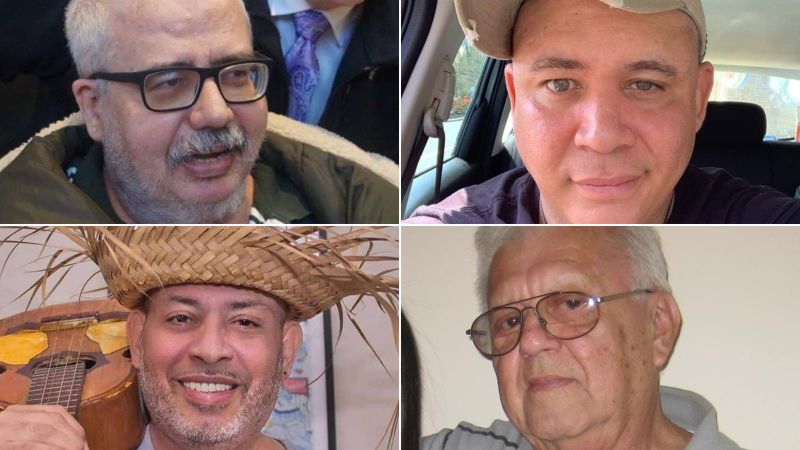
Four years ago, Jody Settle and his partner toasted over Guinness beers and a takeout meal they had picked up from a normally bustling Irish pub in New York City left deserted by the onset of the Covid-19 pandemic. It was the last St. Patrick’s Day meal the couple would share. Settle, 58, died from the virus 33 days later, on April 19, 2020, one of nearly 1.2 million people in the United States who have succumbed to Covid-19 since 2020. Ed Koenig, Settle’s longtime partner, remembers Settle’s peaceful face as he visited him in the hospital for the last time. Willie Nelson’s version of “Always On My Mind” played nearby as Koenig kissed Settle’s forehead through his protective gear. A year ago, the World Health Organization declared an end to Covid-19 as a global public health emergency. The United States allowed its own public health emergency to expire nearly a week after the WHO’s announcement. Stay-at-home orders have long ended, and much of society has moved on from the pandemic. But Covid-19-related grief lingers for millions.


In his early days in Congress, Markwayne Mullin tried pairing his suit jacket and tie with a pair of jeans on the House floor. Then-House Speaker John Boehner reprimanded the young Republican for breaking the dress code.

As President Donald Trump rachets up the pressure on Cuba’s communist-run government and threatens a US “takeover” of the island, he frequently repeats a central promise: that decades after they left, Cuban exiles will soon be able to return to their homeland.

The first two weeks of the Iran crisis have demonstrated military dominance by the US and Israel, with asymmetrical responses from Iran. How this plays out over the coming weeks will determine the outcome.

Utah mother Kouri Richins was found guilty of murder and all other charges in the 2022 death of her husband, Eric Richins, who died of a lethal dose of fentanyl.

The Virginia man accused of planting two pipe bombs in Washington, DC, the night before the 2021 US Capitol riot asked a federal judge on Monday to dismiss his case, arguing that President Donald Trump’s expansive pardon of January 6 rioters applies to him.

President Donald Trump has repeatedly taken aim at Democratic rival and possible 2028 presidential candidate Gavin Newsom. But lately, he’s become fixated on saying the California governor cannot be president due to his “learning disability.”

Cuba’s electrical grid suffered a total collapse on Monday, the country’s power operator said, marking the latest nationwide blackout in recent years, and the first since the US effectively shut off the flow of oil to the island of roughly 10 million people.

Top Border Patrol official Gregory Bovino, who led controversial immigration sweeps in Democratic-led cities, has told people he plans to retire at the end of the month, according to two sources familiar with the discussions.

President Donald Trump’s handpicked Kennedy Center board of trustees voted Monday to close the storied performing arts institution for two years for renovations.

Florida GOP congressman Rep. Neal Dunn was thrust into the spotlight after Trump said he had a heart problem and underwent surgery

White House chief of staff Susie Wiles has been diagnosed with early stage breast cancer, President Donald Trump announced Monday.

An Afghan man who served alongside US special forces and fled his native country after its takeover by the Taliban died over the weekend shortly after being detained by immigration authorities, according to his family and an advocacy group.

5 things to know for March 16: War with Iran, Oscar winners, Travel chaos, Severe weather, US airmen
CNN’s 5 Things AM brings you the news you need to know every morning.