The British government wants to define extremism. Critics say it risks creating more division
The Hindu
The British government published an official definition of “extremism”
The British government published an official definition of “extremism” on March 14, and said groups that get the label will be barred from receiving government funding.
It’s unclear who will be on the list, and critics say branding non-violent groups as extremist could undermine freedom of speech and worship, or risk unfairly targeting some people, such as Muslims, and create more division.
The government defined extremism as “the promotion or advancement of an ideology based on violence, hatred or intolerance” that aims to destroy others’ rights and freedoms or “undermine, overturn or replace the U.K.'s system of liberal parliamentary democracy and democratic rights.”
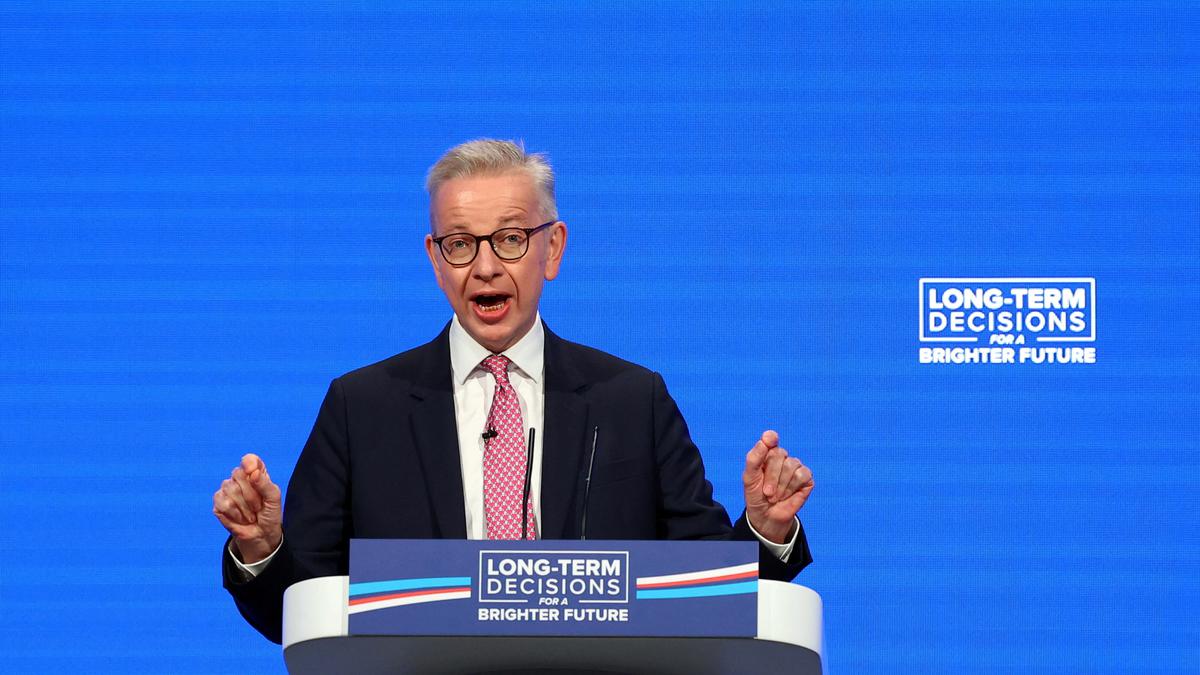
The government did not provide examples of extremist groups, and is not expected to publish a list of such organizations for some weeks. But Communities Secretary Michael Gove pointed to the threat from the extreme right and Islamic "extremists who are seeking to separate Muslims from the rest of society and create division within Muslim communities.”
“This is not about banning organizations," Mr. Gove told the BBC on Thursday. "This is simply saying, ‘this is an organization that we in government think it would be inappropriate to fund or engage with.’”
Islamic and civil liberties groups said they worried the definition would be used disproportionately on Muslims.
Qari Asim, chairman of the Mosques and Imams Advisory Board, said the proposed definition may not be applied consistently.


Slovenians vote in a tight election between liberal and populist candidates, impacting the country's future domestic and foreign policies.

Netanyahu asserts U.S.-Israel alliance fights Iranian threats, emphasizing global security after missile strikes on Israeli and European targets.

Israeli settlers attack Palestinian villages in the West Bank, causing injuries and destruction amid ongoing settlement expansion.

Britain asserts no evidence of Iran planning missile strikes on Europe, despite Israeli claims of missile capabilities.

UNESCO reports over half of countries have banned phones in schools due to concerns about attention, cyberbullying, and social media impact.

Analysis reveals a U.S.-operated Patriot missile likely caused a pre-dawn explosion in Bahrain, injuring numerous civilians.

Sri Lanka raises fuel prices by 25% amid ongoing West Asia conflict, impacting petrol and diesel costs significantly.

Iran strikes near Israeli nuclear research center as Trump threatens attacks on Iranian power plants
Iran's missile strikes near Israel's nuclear site escalate tensions as Trump threatens retaliation against Iranian power plants.

Saudi Arabia intercepts one of three ballistic missiles targeting Riyadh amid ongoing regional tensions and threats from Iran.

Iran's death toll exceeds 1,500 amid escalating war, with heavy airstrikes and shifting U.S. and Israel strategies reported.

Iran's military threatens to target U.S. energy and desalination infrastructure in response to American threats over the Strait of Hormuz.

Iran-Israel war: Follow the latest updates from The Hindu on the West Asia war, on March 22, 2026

Robert Mueller, former FBI chief and special counsel, dies at 81, known for investigating Russian election interference.