The ASHA worker’s mental health paradox
The Hindu
Exploring the mental health challenges faced by ASHA workers who support rural communities while neglecting their own well-being.
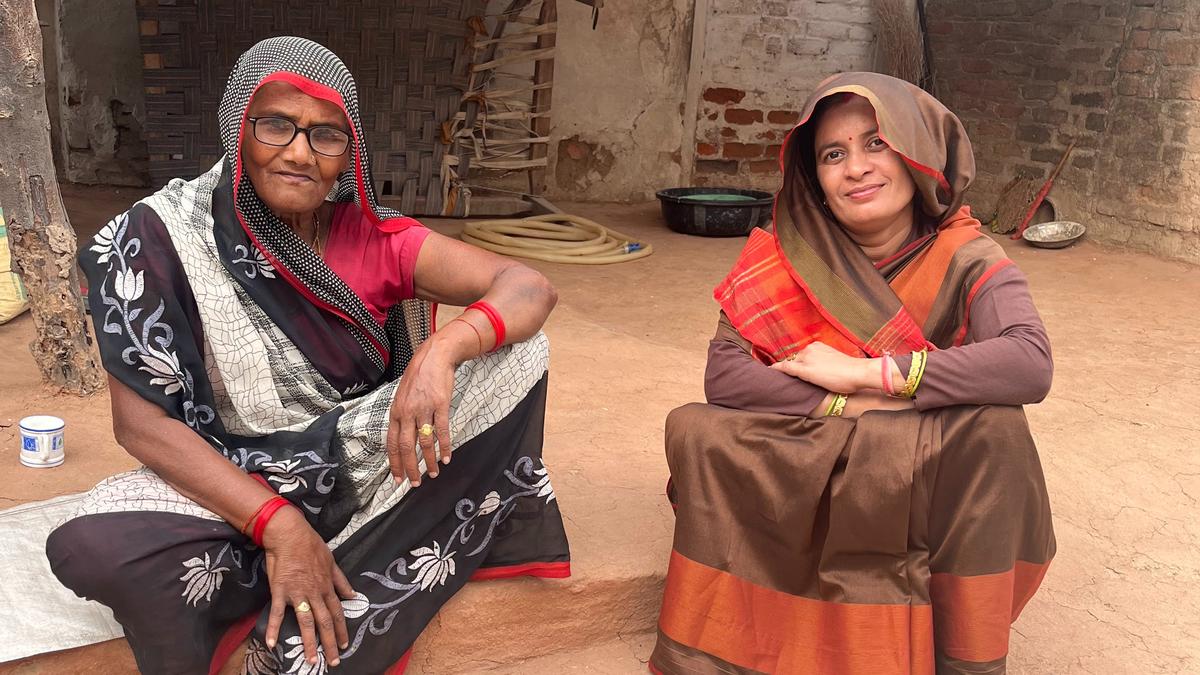
Netradipa Patil, an ASHA worker from Kolhapur, looks at 52-year-old Haseena Atar as a daughter she brought back to life. In 2019, when Atar lost her entire family within a year, she sank into depression. Patil and two other colleagues, trained in mental health awareness, stepped in. They conversed with Atar, visited her regularly and cleaned her home, brought food, and ensured she took her medicines on time.
Today, Atar has regained her health and independence to a great extent, thanks to the three ASHA workers who went beyond their call of duty.
Stories like these reveal the emotional labour that India’s 10.4 lakh Accredited Social Health Activists (ASHAs) perform daily. Despite being a voluntary workforce, ASHAs are often the first point of contact in rural healthcare. They juggle maternal and child health, immunisation, TB monitoring, non-communicable disease surveys, record-keeping (online and offline), and countless other tasks. And their meagre monthly pay, varying by State — from ₹6,400 in Madhya Pradesh to ₹13,000 in Maharashtra — is often delayed.
Kolhapur resident Haseena Atar (left) with Netradipa Patil, the ASHA worker who nursed her back to health. | Photo Credit: Courtesy Netradipa Patil
Recently, in some regions, ASHAs have taken on the duty of ‘mental health gatekeepers’ under both government and NGO programmes. The National Health Mission (NHM) has started integrating mental health modules into ASHA training nationwide. ASHAs are being asked to counsel adolescents, identify depression, anxiety and suicide risk, creating crucial awareness even as they themselves remain overburdened and underpaid.
Over 56 million Indians live with depression and 38 million with anxiety disorders. The National Crime Records Bureau recorded 1,71,418 suicides in 2023. Despite the 2017 Mental Healthcare Act decriminalising suicide, rural mental health support continues to be limited and is often stigma-ridden. This is where ASHAs, with their deep-rooted community knowledge, come in. “Specialised training is provided in areas where mental health issues are more prevalent. ASHAs are capable of handling this training as they understand their community well, which gives them an advantage,” says Mohd. Sadiq Khan, a trainer with the National Health Systems Resource Centre in Jammu and Kashmir.


Discover how to turn creative passion into a sustainable business by mastering finance, IP, and strategic growth.

Arjun Krish and Ria Dinesh win Best Telefilm at Kerala State Television Awards for their impactful short film, F for Freedom.

redBus data reveals a significant 76% rise in solo women travelers from Karnataka since 2019, highlighting increasing independence in travel.

Air India and AI Express will operate 44 flights to West Asia amid Dubai airport restrictions on foreign carriers.

Maharashtra Assembly passes the Freedom of Religion Bill, imposing strict penalties for unlawful conversions, ensuring protection for vulnerable individuals.

Trump claims he can do “anything” with Cuba amid U.S.-Cuba talks, escalating tensions over political intervention and economic crises.

Amrutanjan owes ₹9.74 crore in rental arrears for Mylapore Kapaleeswarar Temple land, despite lacking a landlord-tenant relationship.

BJP intensifies campaign in Palakkad for the 2026 Assembly elections, targeting UDF amid scandal surrounding MLA Mamkootathil.

Jeevan Reddy leads a rally for maize farmers in Jagtial amid speculation of leaving Congress for BRS.

BJP and AINRC likely to maintain 2021 seat-sharing formula for Puducherry's 2026 Assembly elections, confirms party president.

BJP reveals 144 candidates for Bengal Assembly polls, featuring Suvendu Adhikari contesting against Mamata Banerjee in Bhabanipur.

Anna University partners with Ramco Systems to create an advanced ERP lab for enhanced industrial engineering education.

NDA announces candidates for 12 Kozhikode seats in Kerala Assembly polls 2026 as UDF and LDF ramp up campaigning.