Taiwan group goes offline to help senior citizens ‘scrub’ off disinformation
The Hindu
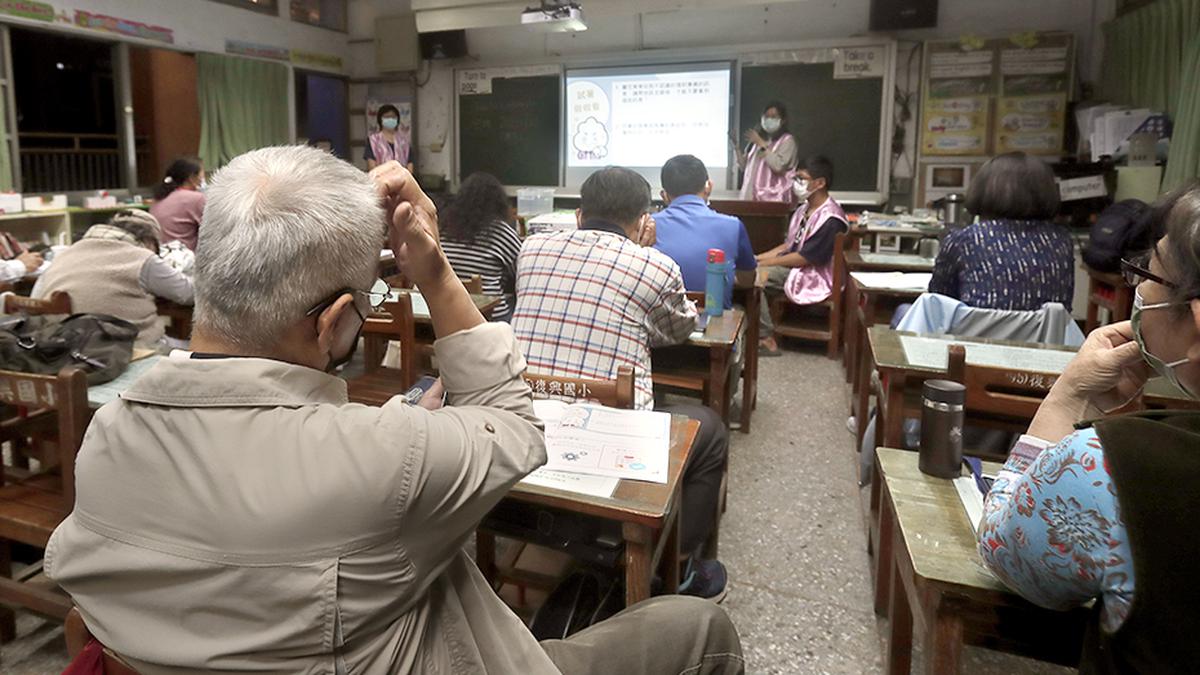
An anti-misinformation group in Taiwan called Fake News Cleaner has hosted more than 500 events, connecting with college students, elementary-school children — and the seniors that, some say, are the most vulnerable to such efforts.
Their days often began at the crack of dawn. They would head out to a church, a temple, a park and set up a stall. They would seek out seniors in particular, those who are perhaps the most vulnerable citizens of the information-saturated society that has enveloped them. To get people to stop and listen, they would offer free bars of soap — a metaphor for the scrubbing that they were undertaking.
They would teach techniques to punch through the static, to see the lack of logic in conspiracy theories, to find the facts behind the false narratives that can sometimes shape our lives. In nearly six years, with just one formal employee and a team of volunteers, Fake News Cleaner has hosted more than 500 events, connecting with college students, elementary-school children and the seniors.
Like any democratic society, Taiwan is flooded with assorted types of disinformation. It touches every aspect of a person’s life, from conspiracy theories on vaccines to health claims aimed at promoting supplements.
Despite its very public nature, disinformation has a deeply personal impact — particularly among Taiwan’s older people. It thrives in the natural gaps between people that come from generational differences and a constantly updating tech landscape, then enlarges those gaps to cause rifts.
“They have no way to communicate,” says Melody Hsieh, who co-founded the group with Shu-huai Chang in 2018.
Taiwan is already home to several established fact-checking organisations. There’s Co-Facts, an AI-driven fact-checking bot founded by a group of civic hackers. There are the Taiwan Fact Check Center and MyGoPen. But such organisations presume that you are at least somewhat tech-savvy — that you can find a fact-check organisation’s website or add a fact-checking bot.
Yet many of the people most affected are the least tech-savvy. Fake News Cleaner believes addressing this gap requires an old-school approach: going offline. At the heart of the group’s work is approaching people with patience and respect while educating them about the algorithms and norms that drive the platforms they use.


Trump expresses optimism about collaboration with Venezuela's interim leader and openness to future meetings amidst political changes.

Barham Salih, a former Iraqi president, becomes the first head of state to lead the UNHCR amid rising refugee needs.

South Korea's President Lee to meet Japan's Takaichi, focusing on regional ties amid rising China-Japan tensions.

Venezuela's government has released 116 political prisoners following a recent announcement by President Nicolás Maduro's administration.

Pope Leo meets Venezuelan leader Maria Corina Machado at the Vatican, discussing Venezuela's independence and human rights issues.

A WEF survey reveals global youth prioritize inequality as a top economic concern, with many aspiring for political leadership.

Trump intensifies pressure on Fed Chair Powell, threatening indictment over comments, raising concerns about the Fed's independence and monetary policy.

Iran's shutdown of the internet, which activists fear masks a crackdown they say has killed hundreds, has now lasted more than three-and-a-half days, a monitor said Monday.

Trump asserts the U.S. will acquire Greenland for national security, citing threats from Russia and China in the Arctic.

U.S. sends additional federal agents to Minneapolis despite stir over woman’s killing amid protests over the fatal shooting of a woman by an immigration officer.

Myanmar's pro-military party claims victory in Aung San Suu Kyi's seat amid controversial junta-run elections.

Danish PM declares a "decisive moment" in Greenland's future amid U.S. threats, rallying European support for self-determination.

Trump expresses reluctance to allow ExxonMobil in Venezuela after CEO calls the country 'uninvestable' amid ongoing oil discussions.