Study finds wide variety of nitrogen-use efficiency in Indian rice varieties
The Hindu
GGU biotechnologists discover rice varieties with varying nitrogen use efficiency, crucial for reducing pollution and improving crop yields.
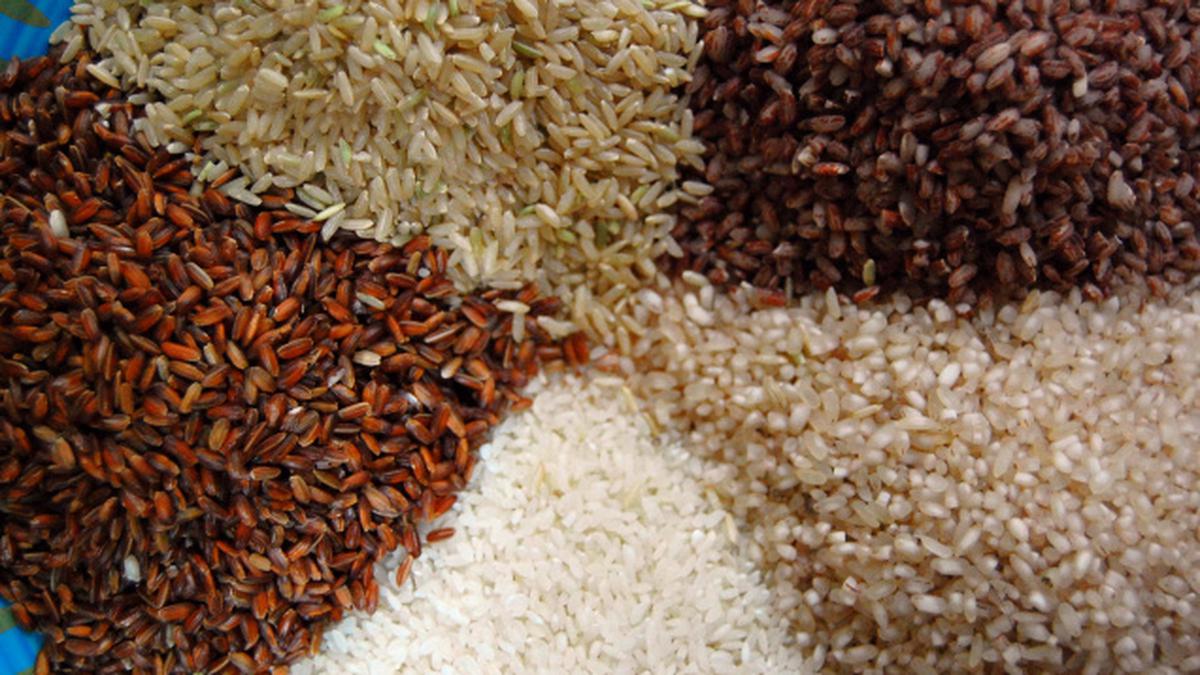
Biotechnologists at the Guru Gobind Singh Indraprastha University (GGU) here have discovered a wide variation among popular varieties of rice in India in their ability to use nitrogen. This knowledge can be used to develop newer varieties that use less nitrogen and are high-yielding, thus slashing expenditure on imported fertilizers and reducing nitrogen-linked pollution.
“Cereals consume two-thirds of all urea in India, led by rice. Poor fertilizer nitrogen-use efficiency (NUE) wastes N (nitrogen)-fertilizers worth ₹1 trillion a year in India and over $170 billion per year globally,” N. Raghuram, Professor at GGU, and lead author of the paper, said, reporting these findings.
Nitrogen use efficiency refers to the yield of a crop relative to the nitrogen (natural and artificial) available to it.
“Worse, N-fertilizers are the main source of nitrous oxide and ammonia pollution of air and nitrate/ammonium pollution of water, affecting our health, biodiversity, and climate change. Yet, we don’t have a ranking of any Indian crop varieties in terms of their NUE for crop improvement by selection or breeding,” Dr. Raghuram said.
The paper was published late last week in the peer-reviewed Journal of Plant Growth Regulation.
The NUE of the best varieties were five times as much as the least, the investigation found. However, a high NUE doesn’t always mean the highest yields and farmers in India generally prefer varieties with the highest yields.
“The focus of Indian agriculture has for a long time been to solely increase yield. This was necessary during the Green Revolution but this also meant more synthetic fertilizers, more wastage, and pollution. India has tens and thousands of rice varieties but only a few are actually used and studied as part of agricultural research. To find newer crops that have improved NUE and yields, we have to have a wider approach,” Dr. Raghuram told The Hindu.


CPI-M accepts DMK's five-seat offer for Tamil Nadu Assembly elections, prioritizing INDIA bloc unity over seat demands.

Ricky Rai, son of former underworld operative Muthappa Rai, on Monday appeared before the Bengaluru Traffic Police for questioning in connection with a case involving a Lamborghini performing dangerous stunts at Anil Kumble Circle on March 21.

The Dispur election heats up as 'CongBJP' defections shape a high-stakes contest between veteran candidates from BJP and Congress.

Bengaluru's M. Chinnaswamy Stadium conducts readiness drill ahead of IPL 2026, ensuring upgrades and technical preparations are complete.

First-level randomisation of EVMs completed in Nagapattinam for upcoming elections, ensuring transparency and security.

A district-level committee in Krishnagiri has been formed to assess and verify seizure claims of goods and cash.

Minister Anam Ramanarayana Reddy pledges government support for local fishermen and farmers facing challenges in Andhra Pradesh.

MP M. Sribharat urges collective efforts to revive Visakhapatnam Steel Plant, highlighting key reforms for crucial recovery and growth.

141 candidates have filed nominations for Kozhikode's Assembly elections, with scrutiny on March 24 and campaigning intensifying.

BJP's Vijayendra accuses Congress of using money to influence Bagalkot bypolls, urging voters to reject their tactics.

First randomization of electronic voting machines completed in Tirunelveli and Tenkasi districts for upcoming Assembly elections.

RPF seizes 10.12 kg of unclaimed cannabis worth ₹5.06 lakh from a train in Mangaluru.

Kolar's groundwater levels rise to 50-100 ft due to the K.C. Valley project, ensuring clean water and improved health outcomes.