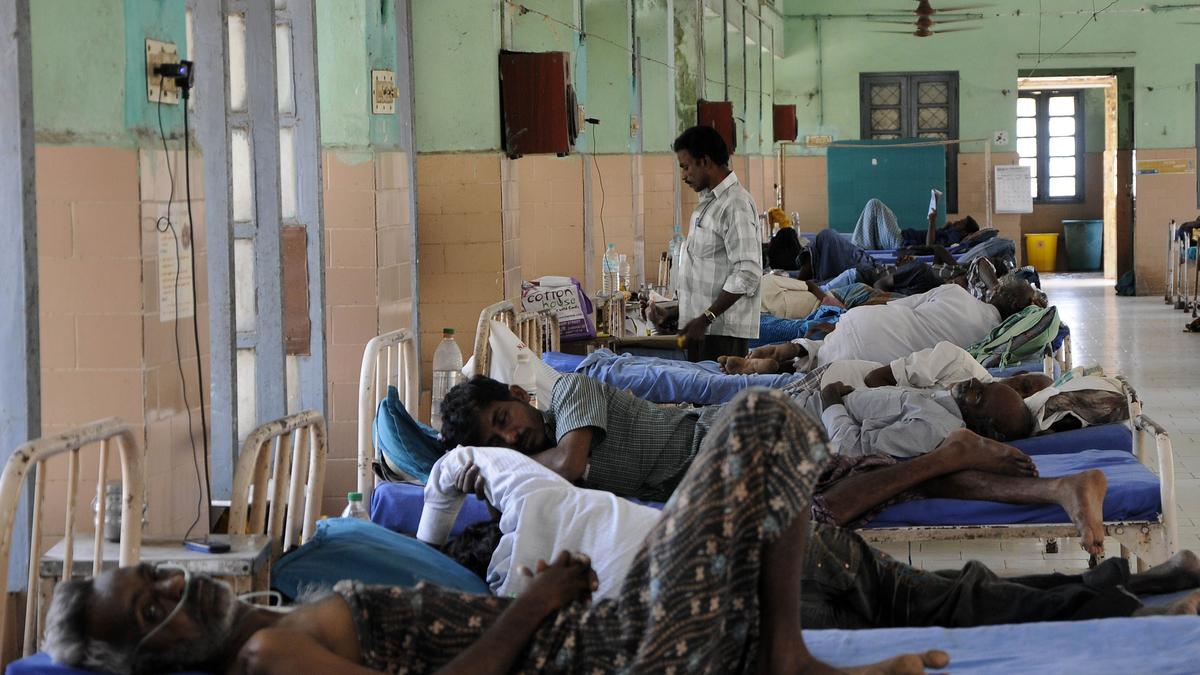
Study calls for a policy to protect informal workers with TB from the impact of pandemic lockdown
The Hindu
Income loss for households and poor restoration of income after the lockdown will likely have an impact on the nutrition of TB patients and families, according to the study conducted by a Delhi-based institute
If India wished to eliminate tuberculosis, then it must prioritise policies to protect informal sector workers from economic consequences of pandemic-induced restrictions, according to researchers of a Delhi-based institute. A policy that ensures paid sick leave, additional food support and direct benefit transfer to such workers is necessary to ensure their wellbeing.
The researchers’ suggestions follows a study of workers under treatment for tuberculosis in the informal sector prior to and during/after the COVID-19 pandemic. The study has referred to multiple surveys done by various other researchers across the country.
The researchers from George Institute for Global Health said they had interviewed persons with tuberculosis in the general population and from high-risk group and patients from tea plantations during lock down and three and eight months after the lock down was lifted.
Their study found that 26% of households with TB patients in tea garden areas and 51% of households in the general population had no monthly income during the lockdown in April-May 2020 and their overall income loss recovered slowly during July-August that year.
In their interviews, the researchers found that around 7% of the patients in the general population and 4% of those in tea garden areas discontinued their TB medicines during lockdown.
Fewer persons discontinued in tea gardens areas, the researchers concluded. Further, “for both groups of patients, the reasons for medicine discontinuation were either that the TB medicines were not available at the facilities or that they could not travel because of strict restrictions,” they said.


The government plans to amend the FCRA, introducing new regulations for NGO asset management and accountability for key functionaries.

The draft policy for “Responsible Digital Use Among Students”, released on Monday by the Department of Health and Family Welfare, has recommended that parents set structured routines with clear screen-time rules and prioritise privacy, safety, and open conversation with children on digital well-being.

Police Observer Sushant Kumar Saxena conducts surprise inspection at Shencottai police station, reviewing warrants and security arrangements ahead of elections.

Andhra Pradesh government to launch key projects in April, focusing on industrial growth and infrastructure development, says Nara Lokesh.

Lok Sabha refers the Corporate Laws (Amendment) Bill to a JPC amid opposition concerns over CSR provisions dilution.

SHG members in Kanniyakumari use snakes and ladders to raise election awareness and boost voter turnout.

Government accelerates consultations for early implementation of the Women’s Reservation Act to ensure women’s representation in 2029 elections.

CM A. Revanth Reddy distributes ₹1 crore insurance cheques to families of deceased Electricity department employees, enhancing financial security for workers.

The Bengaluru Traffic Police (BTP) registered 634 cases of drunk driving during a week-long special enforcement drive conducted across the city between March 16 and March 22.

GHMC intensifies action against property tax defaulters, seizing properties and offering a One Time Settlement scheme for payments.

CCB arrests three drug peddlers in Mangaluru, seizing ₹2.5 lakh worth of MDMA and other valuables.

TVK's 28 candidates in Puducherry include former BJP MLAs, a sitting Independent, and a retired police IG.

BRS submits notice on private member bill to Speaker