Start-up Hygge Energy plans ₹110 crore investment to provide assured charging to EVs in India
The Hindu
Sets up entity in India, to hire team to roll out service in India through an app
Toronto-based Hygge Energy, which was incubated at Tech Mahindra’s internal entrepreneurship programme in 2015, has announced its entry into the Indian electric vehicle (EV) charging space wherein it would provide bookings at EV chargers through an app across the country.
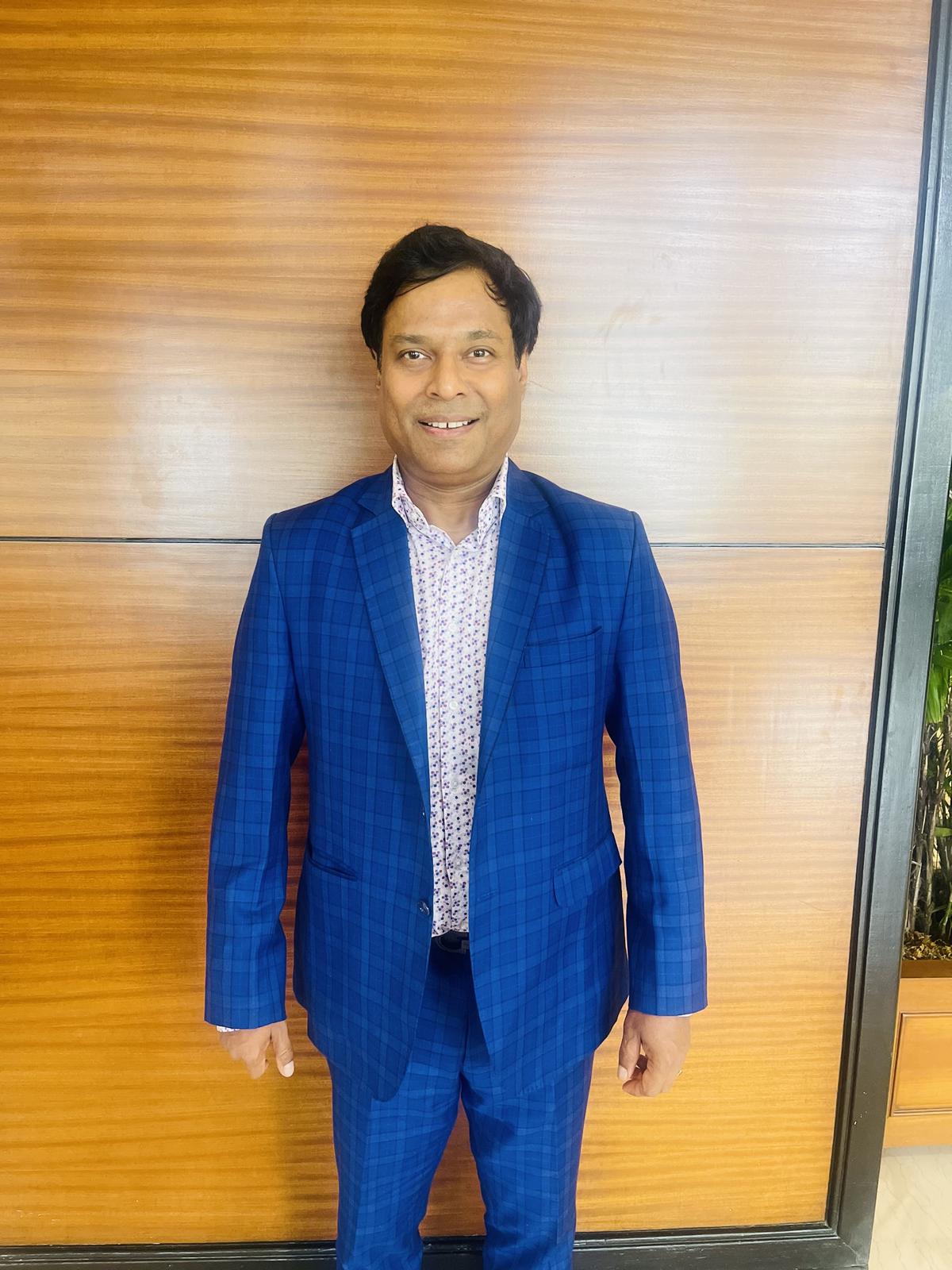
The company has already set up an entity in India called Hygge Energy India Services Private Ltd. which will be the aggregator for all EV charging stations in the country. It will roll out its services starting January 2023, Prateek Saxena, founder & CEO, Hygge Energy said in an interview.
“We will aggregate all the EV chargers and operate them on our platform. Our solution is not to set up EV chargers or generating solar energy. We are like the Swiggy or Uber of EV charging companies,” said Mr. Saxena. The company will put up router sized boxes near charging stations to provide charging slots to EVs through bookings via its app.
“Now, an EV owner can book a slot which is unique,” he added.
The company is now hiring the leadership team to start its business in India. It is targeting to have 5 lakh charging stations under its platform in five years.
“We are targeting fleet owners engaged in last mile delivery. We will help them to manage their assets. We will be appointing franchises to scale up the business. Our service will drive traffic to EV charging stations and we will help owners to manage their revenues,” Mr Saxena said.
“Our focus would be to provide EV chargers that are outside the grid. For EV owners, it will be assured charging without waste of time,” he added.


Union Minister Ashwini Vaishnaw launches three initiatives to enhance India's creative economy through AI training, citizen platforms, and advanced tech access.

Two Indian-flagged LPG tankers approach the Strait of Hormuz, navigating safely amidst regional tensions to reach Indian ports.

Gold and silver prices plummet over 7% due to West Asia tensions, inflation fears, and a stronger dollar.

Asian shares fall as rising oil prices and escalating Iran conflict diminish hopes for U.S. interest rate cuts.

Japan's SoftBank Group said Saturday it plans to build a huge new gas-fired power plant in the US state of Ohio

Silver prices plunge 9% to ₹2.06 lakh per kg in futures trade amid weak global cues and rising macroeconomic pressures.

OpenAI plans to nearly double its workforce to 8,000 from 4,500 by the end of 2026, the Financial Times reported on Saturday, citing two people with knowledge

Global equity markets plummet as West Asia tensions rise and oil prices surge, triggering significant investor anxiety.

The rupee hits a record low of 93.94 against the dollar amid foreign fund outflows and a crashing equity market.

The Thane police have arrested two co-founders of cryptocurrency exchange platform CoinDCX in connection with an alleged fraud of Rs 71.6 lakh, officials said

Meta Chief Executive Mark Zuckerberg is building a CEO agent to help him do his job, the Wall Street Journal reported

Insurance penetration and density are often misunderstood and do not reveal how many families are insured or whether they would be financially secure if the main earning member were to die. The real issue is not reach but adequacy, as households may have life insurance but not enough cover to replace lost income, leaving them financially vulnerable.

Five top firms lose ₹1 lakh crore in market value, with HDFC Bank experiencing the largest decline of ₹56,124.48 crore.