Star-filled Euclid images spur mission to probe 'dark universe'
The Hindu
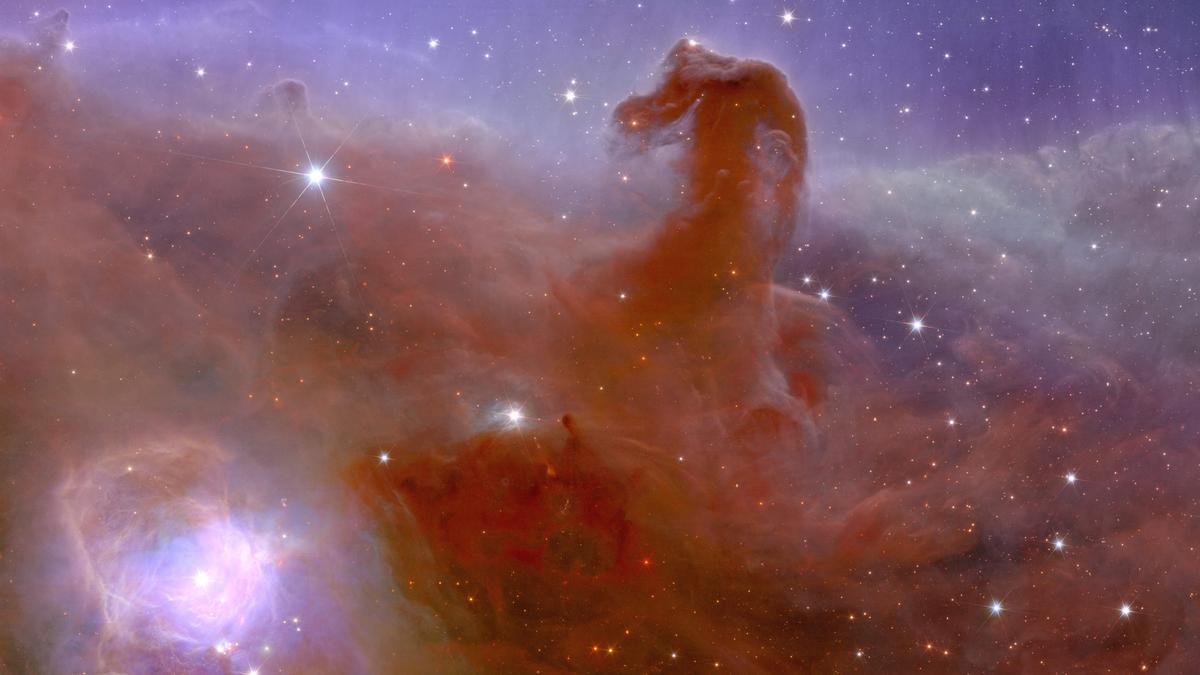
European astronomers on Tuesday released the first images from the newly launched Euclid space telescope, designed to unlock the secrets of dark matter and dark energy - hidden forces thought to make up 95% of the universe
European astronomers on Tuesday released the first images from the newly launched Euclid space telescope, designed to unlock the secrets of dark matter and dark energy - hidden forces thought to make up 95% of the universe.
The European Space Agency, which leads the six-year mission with NASA as a partner, said the images were the sharpest of their kind, showcasing the telescope's ability to monitor billions of galaxies up to 10 billion light years away.
The images spanned four areas of the relatively nearby universe, including 1,000 galaxies belonging to the massive Perseus cluster just 240 million light years away, and more than 100,000 galaxies spread out in the background, ESA said.
Scientists believe vast, seemingly organised structures such as Perseus could only have formed if dark matter exists.
"We think we understand only 5% of the universe: that's the matter that we can see," ESA's science director Carole Mundell told Reuters.
"The rest of the universe we call dark because it doesn't produce light in the normal electromagnetic spectrum. But we know its effect because we see the effect on visible matter."
Tell-tale signs of the hidden force exerted by dark matter include galaxies rotating more quickly than scientists would expect from the amount of visible matter that can be detected.


Can nations unite to protect the endangered Hudsonian godwit and address the challenges of climate change and habitat loss?

Discover the Minor Planet Centre, the key hub for tracking and verifying observations of small solar system bodies.

Discover the Minor Planet Centre, the key hub for tracking and verifying observations of small solar system bodies.

In this week's Science for All newsletter, XX explains

Test your knowledge with the quiz on Science films at the Oscars through history

Set between the Siwalik hills and the plains, Butwal offers travellers a mix of regional cuisine, pilgrimage trails to Lumbini and the comfort of Hyatt’s new hospitality landmark

Explore 2026's wallpaper trends in India, highlighting botanicals and handmade designs that enhance modern homes with nature-inspired aesthetics.

Mercedes-Benz CLA 250+ with EQ Technology review: design, performance, range and features explained. Discover how the new electric CLA combines advanced AI, long range, fast charging and futuristic styling for the next generation of luxury EVs.

AI tool for sparrow conservation

BTS’s comeback with ‘Arirang’ marks a major global music event. When does the album release, and where can you watch their concert live stream? We have all the details

The 2026 U.S. cholesterol guidelines urge starting screening and treatment at 30 to prevent cardiovascular disease effectively.

Olam Festival 2026 in Thiruvananthapuram returns March 27-29 with 120+ vendors, music, art, and cultural zones.

A few storytellers in Thiruvananthapuram share their journeys, challenges, and evolving methods on World Storytelling Day, inspiring young minds.