SRO for fintechs will bring uniformity, help in compliance adherence, says DLAI CEO
The Hindu
DLAI CEO discusses benefits of proposed SRO-FT for fintech industry, emphasizing standardization, transparency, and investor confidence.
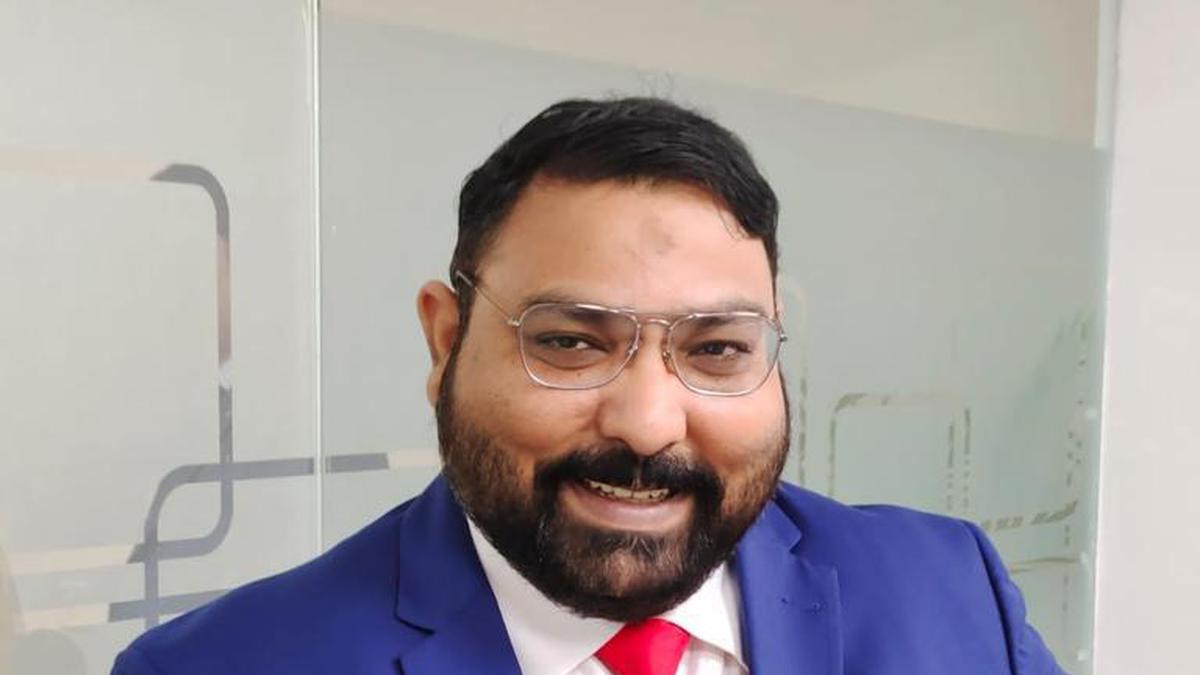
A Self-Regulatory Organisation for Fintechs (SRO-FT), as has been proposed by the RBI, would bring standardisation and help in distinguishing serious players from the rest of the lot, said Jatinder Handoo, CEO, Digital Lenders Association of India (DLAI).
“At present , the Indian fintech industry is diverse in nature, hence the priorities and their representations are also divergent,” Mr. Handoo said in an e-mail interview.
“For members of an SRO-FT, the single biggest benefit would be a credible platform to take forward genuine, common voice of fintech players to appropriate offices and contribute positively in the regulatory and policy making dialogue which affects the entire sector,” he said.
“Additionally, it will bring a common minimum standardisation in processes like addressing customer grievances or common Leading Service Providers (LSP) agreements and forging sectoral partnerships,” he added.
“SRO-FT will act as a repository for sectoral data and it will release credible data backed reports regularly, it will bring more transparency and openness to the system and hence, will also reinforce investors’ and policy makers’ confidence and interest,” he further said.
This comes amid a high decibel campaign by a section of the fintech industry contending that the Reserve Bank of India (RBI) as regulator is ‘stifling innovation’ by stressing on compliances. The RBI had recently barred Paytm Payments Bank Ltd. from accepting any further deposits and ordering the closure of its wallet, nodal and other accounts.
The RBI, whose primary tasks include preserving financial stability by ensuring that regulated entities (REs) follow the prescribed regulations, has already set into motion steps for the establishment of a framework for a self-regulatory organisation (SRO) for fintech companies with an objective to set standards for the industry, aid in oversight and enforcement, and provide grievance redressal and dispute resolution.


FM Nirmala Sitharaman defends Centre's cess collections, emphasizing constitutional rights and states' benefits exceeding collected amounts.

Rupee hits record low of 94.05 against the dollar, despite strong gains in Sensex and Nifty amid market volatility.

Oil companies reassure the public of no fuel shortage, urging against panic buying and reliance on verified information.

GameStop reported a 14% drop in fourth-quarter revenue on Tuesday, a sign that its struggling brick-and-mortar business continues to face immense pressure

Epic Games said Tuesday it is laying off 1,000 employees to save money as it grapples with industry-wide and company-specific challenges.

Indian stock markets rise 2% as investor optimism returns amid easing crude prices and improved geopolitical clarity.

Gold and silver prices rebounded on March 25, but remain under pressure amid high volatility and global uncertainties.

Gaining the approval of local communities has become paramount to building data centres in the U.S., Microsoft President Brad Smith said

OpenAI on Tuesday announced key leadership appointments for its nonprofit arm and committed to investing at least $1 billion through the division

EU antitrust chief Teresa Ribera, who has voiced concerns about Big Tech extending its dominance into artificial intelligence, will meet the CEOs of Alphabet, Meta Platforms and OpenAI

OpenAI is close to securing about $10 billion in fresh funding from investors, boosting its valuation to $850 billion, including the money raised, a person familiar with the matter said, confirming an earlier report in Bloomberg News

Discover the key changes in the New Income Tax Rules 2026, simplifying compliance and enhancing deductions for taxpayers.

Palantir, which won a contract to supply AI systems to Britain’s Financial Conduct Authority, will not have access to regulatory intelligence, an FCA official said