Sri Lanka crisis: Indian High Commission denies stopping issuance of visas, says 'committed to facilitating ease of travel'
Zee News
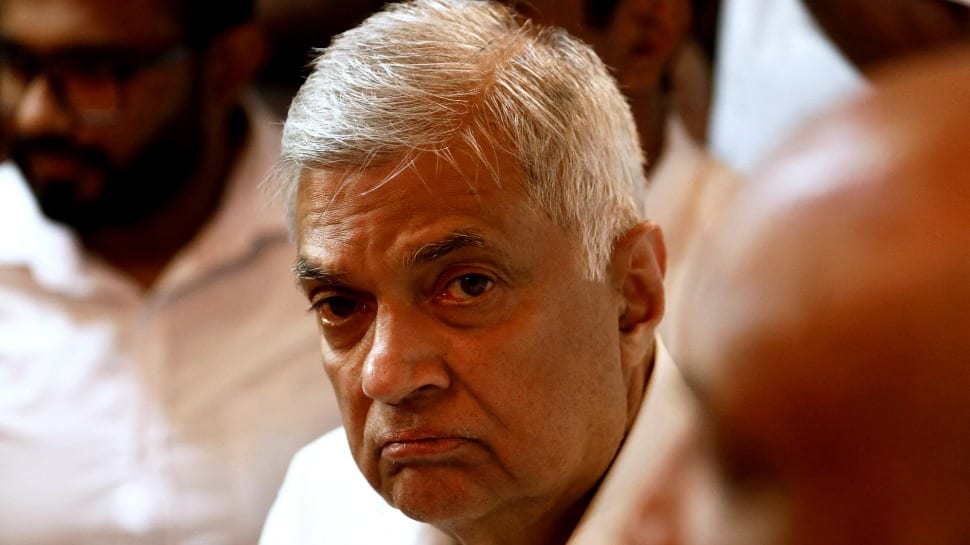
Ranil Wickremesinghe, 73, was sworn in as Sri Lanka's 26th prime minister on Thursday to stabilise the country's debt-ridden economy and end the political turmoil.
Colombo: Indian High Commission in Sri Lanka on Friday categorically denied that it has stopped issuing visas in the country, saying the disruption was caused by operational difficulties due to the inability of Visa Wing staff, most of whom are Sri Lankan nationals, to attend office.
The High Commission said it was striving to return to its normal functioning soon. "High Commission categorically denies that it or the Indian Consulates-General or the Assistant High Commission of #India in #SriLanka have stopped issuing visas. In the past few days, there were operational difficulties due to the inability of our Visa Wing staff, most of whom are #SriLankan nationals, to attend office," the Indian High Commission tweeted.
"We are striving to return our functioning to the normal levels soon. We remain committed to facilitating ease of travel for #SriLankans to #India. #SriLankans are welcome in #India just as #Indians are in #SriLanka," it said.
Sri Lanka is facing its worst economic crisis since independence from Britain in 1948, sparking protests in the country that has paralysed the country.
Sri Lanka's worst economic crisis has provoked widespread protests calling for political reform and the resignation of President Gotabaya Rajapaksa. On April 1, President Rajapaksa imposed a state of emergency, lifting it five days later. The government reimposed a state of emergency on May 6 after police fired teargas and arrested students protesting near parliament, which was adjourned until May 17.
