‘Sri City attracting air-conditioning majors’
The Hindu
Sri City, near Chennai, is now the "Cool Capital of India" with 7 air-conditioning manufacturers investing ₹3,820 crore & providing 9,300 jobs.
Sri City, an integrated business city at Tada, near Chennai, is now considered as the “Cool Capital of India,’ with seven air-conditioning manufacturers having set up units and started operations there, said a top official.
These key players in the heating, ventilation and air conditioning (HVAC) solutions have committed to invest ₹3,820 crore over a period of time and provide jobs to more than 9,300 people.
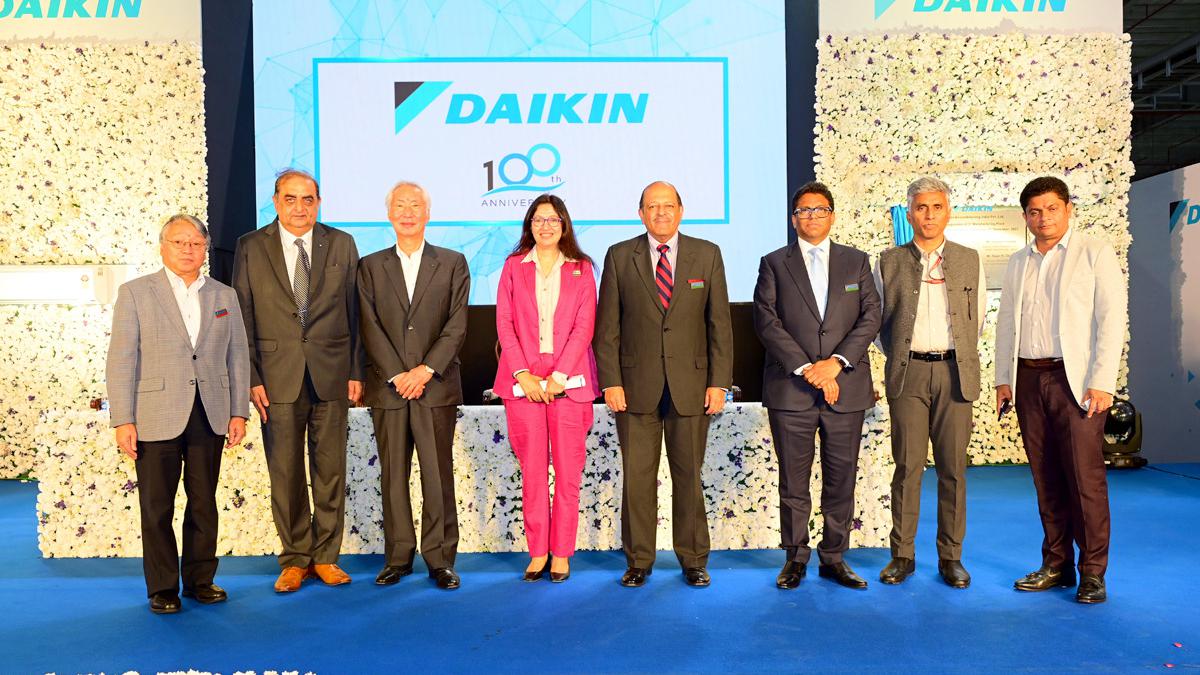
Daikin Airconditioning India has set up a manufacturing facility at a cost of ₹1,000 crore. The unit will provide 3,000 jobs in phases.
“The commitment of all these companies to India’s Atmanirbhar strategy and ‘Make in India’ ambition are commendable,” said founder MD Ravindra Sannareddy in an interaction.
According to him, major players such as Blue Star, Amber, Epack Durable, Havells, IAPL Group (Mitsubishi Electric) and Thermax have set up shop, boosting domestic production and reducing reliance on imports.
Till recently, Neemrana in Rajasthan hosted some of the AC original equipment manufacturers such as Daikin, Havells and De Diamond Electric among others. However, Sri City, besides hosting a greater number of AC manufacturing companies, component suppliers and their supply chain partners, offers symbiotic ecosystem for air-conditioners manufacturing sector, he said.
It is estimated that by 2027, close to 50% of air conditioners produced in India will originate from Sri City. This ambitious forecast underscores the Sri City’s rapid evolution into a central hub for HVAC manufacturing, he said.


Iran war impacts pesticide prices, warning of a 20-25% rise and increased risk of counterfeit products during the kharif season.

India's forex reserves fell by $7 billion to $709.76 billion, according to RBI data for the week ending March 13.

Natco Pharma will launch its Semaglutide injection (multi dose vials) in the domestic market on Saturday.

Flipkart announces a 105% bonus payout for 2025, rewarding employees for strong growth and performance metrics.

Core sector growth in India plummeted to 2.3% in February, amid declining domestic production and impending West Asia crisis impacts.

Stock markets rebound with Sensex rising 325 points, driven by IT and PSU bank stocks amid fuel price concerns.

The Indian rupee plummets 82 paise to a record low of 93.71 against the dollar due to rising crude prices and geopolitical tensions.

Power Minister highlights energy security and renewable transition during Bharat Electricity Summit 2026 amid global tensions.

The rupee hits a record low of 93.08 against the dollar, pressured by rising oil prices and FII outflows.

OpenAI said on Thursday it will buy Python toolmaker Astral, as the ChatGPT maker seeks to strengthen its portfolio against rival Anthropic to gain more share in the artificial intelligence coding tools market.

Crude oil prices drop over 2% as Netanyahu reassures investors amid ongoing Iran conflict and rising energy market concerns.

PPAC designated as nodal agency to enhance data collection on domestic fuel and energy stocks for improved mandate enforcement.

Indian markets plunged over 3% amid soaring crude prices, rupee depreciation, and escalating West Asia geopolitical tensions in March 2026.