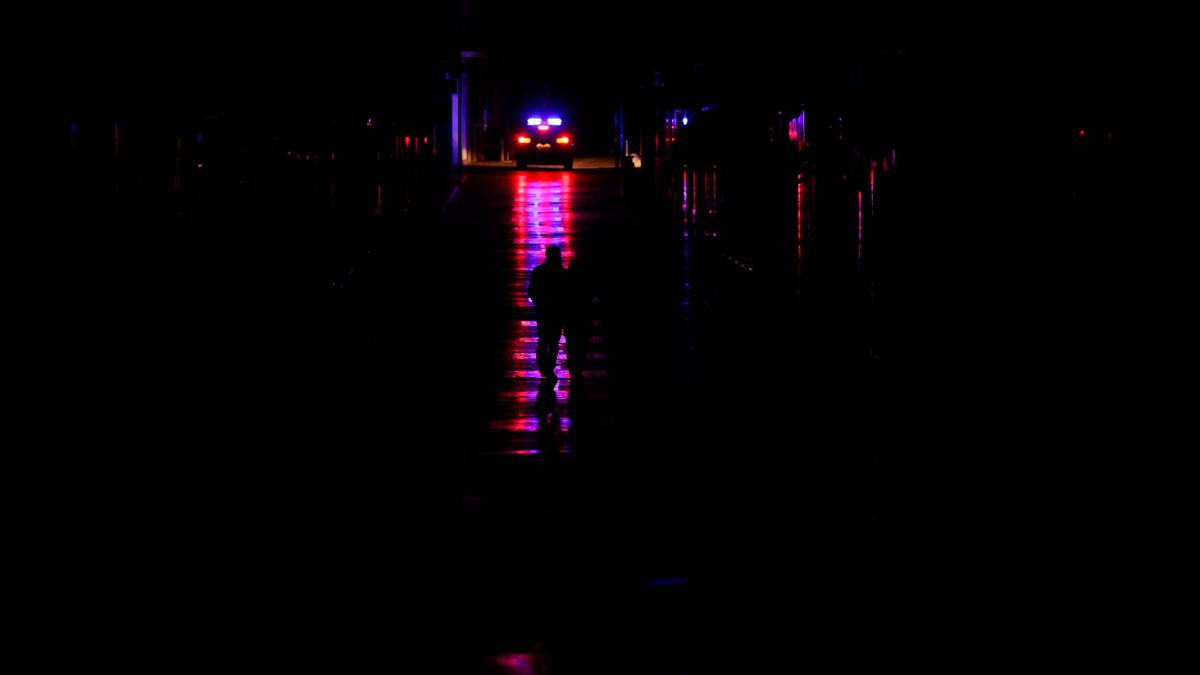
Spain-Portugal outage: How can an electricity network go down in five seconds? Explained
The Hindu
General power outages in Spain and Portugal highlight grid vulnerabilities due to various causes like solar and wind power reliance.
General power outages like the one that hit Spain and Portugal this week can have multiple causes but the blackout highlighted how vulnerable the regional system on the Iberian peninsula can be.
The electrical grid is a backbone with complex branches consisting of thousands of interconnected components.
"The grid operators must carefully analyse massive amounts of real-time data like frequency shifts, line failures, generator statuses and protection system actions to trace the sequence of events without jumping to conclusions," Pratheeksha Ramdas, senior new energies analyst at Rystad Energy, told AFP.
Outages are often caused by a sudden shutdown of a source of production like a power plant due to a technical fault or a fuel shortage supplying thermal power plants.
In recent years, natural disasters such as storms, earthquakes, forest fires, extreme heat or cold sometimes intensified by global warming have damaged infrastructure or created peaks of demand for heating or air conditioning.
Other possible causes include overloads on high-voltage power lines, which force excess electricity to move to other lines, and cyberattacks, which Spain and Portugal have ruled out, but which are an increasingly mentioned threat as networks become more digitised.
In Spain on Monday (April 28, 2025) evening, grid operator REE mentioned a "strong fluctuation in power flows, accompanied by a very significant loss of production".


Russia claims control of Potapivka village in Ukraine's Sumy region amid ongoing military efforts to establish a buffer zone.

Iranian missile strikes on Israeli towns cause widespread damage and injuries, marking a significant escalation in the ongoing conflict.

As Gor makes first trip as U.S. Special envoy to South Asia, Delhi watches strategic signals closely
Sergio Gor's inaugural trip as U.S. Special Envoy to South Asia signals strategic U.S. engagement amid regional tensions.

Slovenians vote in a tight election between liberal and populist candidates, impacting the country's future domestic and foreign policies.

Netanyahu asserts U.S.-Israel alliance fights Iranian threats, emphasizing global security after missile strikes on Israeli and European targets.

Israeli settlers attack Palestinian villages in the West Bank, causing injuries and destruction amid ongoing settlement expansion.

Britain asserts no evidence of Iran planning missile strikes on Europe, despite Israeli claims of missile capabilities.

UNESCO reports over half of countries have banned phones in schools due to concerns about attention, cyberbullying, and social media impact.

Analysis reveals a U.S.-operated Patriot missile likely caused a pre-dawn explosion in Bahrain, injuring numerous civilians.

Sri Lanka raises fuel prices by 25% amid ongoing West Asia conflict, impacting petrol and diesel costs significantly.

Iran strikes near Israeli nuclear research center as Trump threatens attacks on Iranian power plants
Iran's missile strikes near Israel's nuclear site escalate tensions as Trump threatens retaliation against Iranian power plants.

Saudi Arabia intercepts one of three ballistic missiles targeting Riyadh amid ongoing regional tensions and threats from Iran.

Iran's death toll exceeds 1,500 amid escalating war, with heavy airstrikes and shifting U.S. and Israel strategies reported.