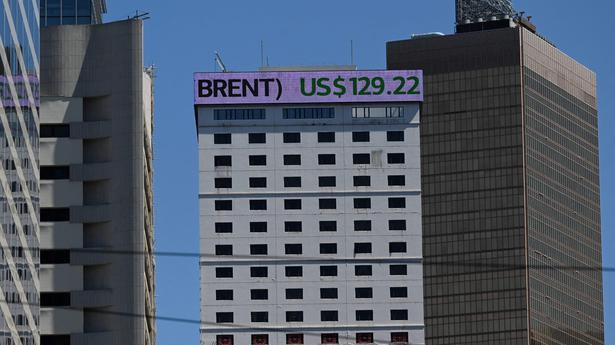
Soaring energy prices could hit growth, consumption, S&P warns
The Hindu
Large net energy importers like India could face ‘terms of trade’ shock
The surge in energy prices due to the Russia-Ukraine conflict could trigger a ‘terms-of-trade’ shock for large net energy importers like India, resulting in a hit on current account balances and domestic consumption and investment, S&P Global Ratings said on Wednesday.
Higher retail inflation would also strain monetary policy and may dampen economic growth and stress some bank borrowers in countries like India, the rating agency said in a note on the Ukraine conflict’s impact on Asia, linked to countries’ energy profiles.
“For Asia-Pacific, the biggest risk of the Ukraine conflict is market volatility and higher commodity prices; emerging economies with large energy imports are most at risk,” it said, noting that the continent had limited ‘direct exposure’ to Russia or Ukraine in terms of revenues, investments or supply chains.
A widening of the conflict or further sanctions, however, could ‘seriously damage investor sentiment’ and push them to seek haven options, resulting in capital outflows from emerging markets, and hitting assets and currencies, S&P said.
“Substantially higher energy prices and volatility will likely strain the currencies and asset markets of many Asia-Pacific countries. This pressure will be strongest where higher energy prices pressure inflation targets — such as India, the Philippines, Korea, and Thailand,” it warned, adding that this could also lead to a sizeable current account deficit for India.
“These risks emerge as the U.S. Federal Reserve leads several major central banks to raise policy interest rates,” S&P observed. “Traders would likely react unfavourably to large current account deficits in emerging markets. Obvious examples are India and the Philippines,” it added.
Higher energy prices can trigger a terms-of-trade shock, where import prices rise faster than export prices, for net energy importers like India, S&P noted. This, it added, would hit current account balances and real domestic consumption and investment.


Discover the key changes in the New Income Tax Rules 2026, simplifying compliance and enhancing deductions for taxpayers.

Palantir, which won a contract to supply AI systems to Britain’s Financial Conduct Authority, will not have access to regulatory intelligence, an FCA official said

Arm Holdings announced a new artificial intelligence data centre chip on Tuesday which it said will add billions of dollars of revenue

Amazon said on Monday its Amazon Web Services region in Bahrain has been “disrupted” amid the current conflict in the Middle East

Petroleum Ministry directs reforms to enhance natural gas infrastructure, streamline approvals, and ease transition from LPG to PNG.

The Sora decision means the end of a blockbuster $1 billion deal between Disney and the ChatGPT maker that was announced a little more than three months ago.

Regulator mandates city gas distributors to provide piped gas to educational institutions within five days, supporting India's transition from LPG to PNG.

NHAI's Raajmarga InvIT listed on BSE, enhancing investor participation in highway infrastructure with strong demand and oversubscription.

HDFC Life Insurance faces ₹172 crore Income Tax order for alleged violations, plans to appeal the decision.

Air-conditioner makers in India are looking forward to FY27 with hope as the war in West Asia threatens to impact plastic component availability and consumer sentiment, adding to the challenges around raw material price and new energy label, a senior executive of a leading company has said.

Rupee falls 23 paise to an all-time low of 93.76 against the U.S. dollar amid foreign fund outflows and global uncertainties.

Stock markets surged nearly 2% as Trump paused strikes on Iran, boosting investor confidence amid easing geopolitical tensions.

Coal Minister urges State leaders to maintain stable coal prices amid rising global costs, assuring ample domestic supply.