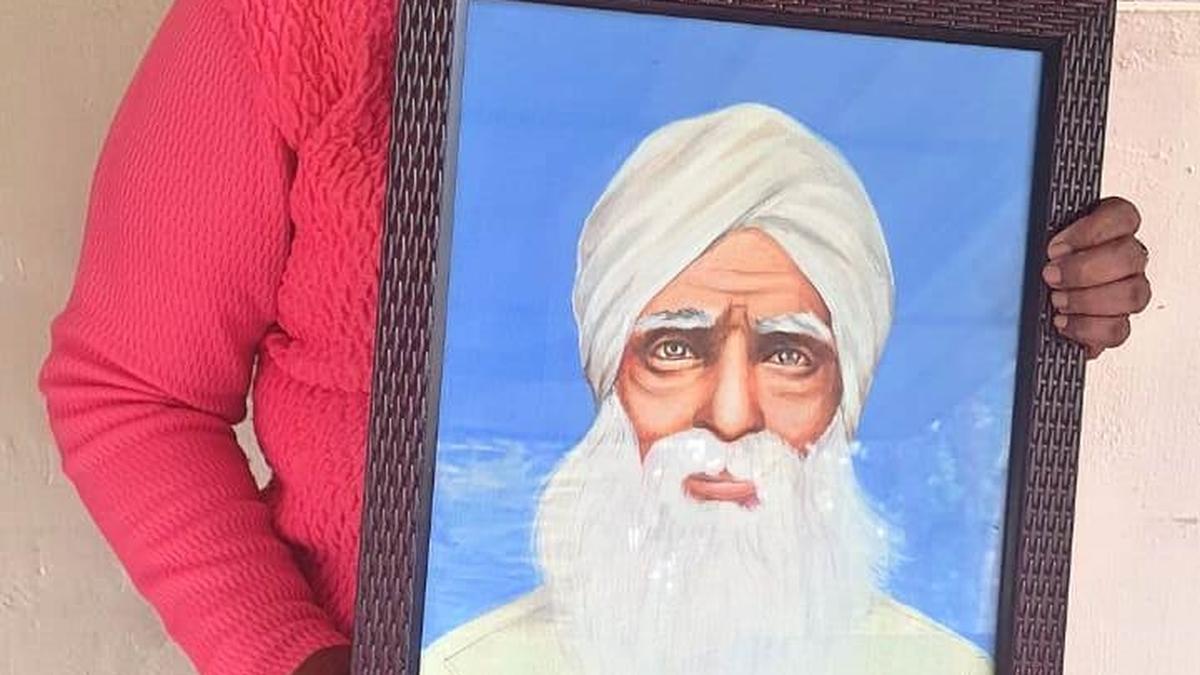
Singukandam bears a Sikh convert’s legacy
The Hindu
IDUKKISingukandam: 250 families struggle for title deeds. Teja Singh, a lower-caste man, embraced Sikhism & moved to village in 1940s. Revenue officials deny settlements before 1977. 440 families, 982 voters. Land recorded as michabhoomi. Farmers on hunger strike demanding title deeds & capture of tusker Arikompan.
Singukandam, a village in Chinnakkanal panchayat in Idukki district with about 250 families, has been in the news for the decades-long struggle of the residents demanding title deeds for their land.
The history of the village suggests that the area derived its name from one Teja Singh who lived here in the 1960s. Born Ramankutty, he embraced Sikhism and went on to live here for decades as a Sikh.
N.M. Sreekumar, grandson of Teja Singh and Chinnakkanal panchayat president, says Ramankutty hailed from Cherthala in Alappuzha district. “After marriage, he reached Guruvayur and attempted to enter the temple pond, but authorities prevented him saying he was from a lower caste. He met a Sikh there and moved to Punjab before the 1940s and embraced Sikhism and returned to Kerala and entered the temple pond. It was way of his protest against the temple authorities,” says Mr. Sreekumar.
Teja Singh initially reached Anachal, near Munnar, around 1947 and later moved to Singukandam. He called the area ‘flower estate’ and the village came to be known as Singukandam after his death.
Teja Singh lived in a paddy field and the local people used to call Singh Achan. The area where he lived later came to be known as Singukandam.
Sreekumar says families here have been eagerly waiting for title deeds for their land for years. “Settler farmers have been living in the area before 1970s,” he says.
P.N. Sunil, a resident of Singukandam, says the area, including Ward 9 where Teja Singh’s house is situated, comes under Chinnakkanal panchayat.


Kolar's groundwater levels rise to 50-100 ft due to the K.C. Valley project, ensuring clean water and improved health outcomes.

Three smugglers arrested in Sangareddy with 574 kg of ganja valued at ₹2.87 crore during a police operation.

Mysuru MP urges a 'flex-free Mysuru' by discouraging birthday banners, promoting responsible celebrations to preserve the city's heritage.

Farmers of Kalakudi demand payment for paddy bags procured at DPC

BJP's seal on a 2019 Election Commission letter ignites controversy in Kerala, prompting claims of careless handling by CPI(M).

Transgenders go on rally condemning Transgenders Amendment Bill 2026

Supreme Court dismisses plea challenging Sonam Wangchuk's detention, noting the Centre revoked it on March 14, 2026.

Private medical shops in Telangana government hospitals face eviction due to expired leases and ongoing legal challenges, says Health Minister.

A.P. BIE Secretary reviews answer script evaluation, emphasizing transparency and accuracy to ensure error-free marking and timely results.

Join the walkathon in Puducherry to promote oral hygiene awareness and celebrate World Oral Health Day with community participants.

The ‘Swastha Mysuru’ initiative aims to promote healthy living and preventive healthcare in Mysuru through community engagement and awareness.

Farmers in Ongole protest against BJP's policies, citing dangers to their livelihoods and demanding support for local agriculture.

From March 24, paneer queserotta, prawn tostadas, beef birria and more feature on MadCo's special Mexican pop up menu by Chef Mathangi Kumar alongside experimental cocktails, including a marigold highball