Self love: preserve and protect your kidney function Premium
The Hindu
Georgi Abraham and Latha A. Kumaraswami address the challenges of kidney disease in India, advocating for prevention and equitable care.
As India faces innumerable challenges in providing healthcare to its 1.44 billion people, kidney disease is emerging as an illness to reckon with. The diversity of India especially with regard to socio economic status, literacy, food habits, cultural beliefs, and access to healthcare are all important and complex issues facing the State and central governments. A total of 2200 kidney specialists, skewed in distribution with a majority in the four (advanced) southern States and metropolitan cities leaves a critical gap in providing timely care to kidney disease patients.
In 2019, chronic kidney disease (CKD) was responsible for over 3.1 million deaths, ranking it as the 7th leading cause of death worldwide. The global mortality attributed to all kidney diseases is estimated to range between 5 and 11 million annually, particularly impacting low and middle-income countries (LMICs). These countries are disproportionately affected by acute kidney injury and face challenges related to insufficient access to kidney replacement therapy, including transplantation and dialysis.
The burning issues are that people with high blood pressure, diabetes and heart disease do not comply with treatment and follow up after the diagnosis is made, which more often than not, lead to complications. Therefore it is important at this juncture to spread the message of prevention; besides addressing and evaluating the disease state periodically for the success of management strategies. Chronic Kidney Disease of unknown origin (CKDu) predominantly affecting the farming and fishing community in different geographic locations and salt pan workers calls for more research. The genetic predisposition to kidney disease is not apparent in the majority of people in India as it is different from Caucasian, Africans, Chinese and Japanese ethnic groups. A separate forum for this should be constituted and diagnosis with management strategies should be implemented.
As a renal community we, at Tanker Foundation, become aware that early-detection focussed programs can identify large numbers of patients with undiagnosed kidney diseases, with minimal interventions, which are cost effective. We have a moral and ethical imperative to advocate for the implementation of such programs. How can we deliver our message of prevention globally. Ignorance about kidney diseases is the greatest challenge we face. Surveys have shown that less than 5 % of the populations knows where the kidneys are located in the body. This ignorance spills over into a reluctance to seek treatment on time, eventually leading to a preventable death.
Management strategies for Non Communicable Diseases such as diabetes, and hypertension include counselling, nutrition, medical therapy and drugs. The newer drugs for slowing down the progression of diabetic kidney disease are available in India and marketed by many pharmaceutical companies. These drugs are called as SGLT2 inhibitors such as dapagliflozin, canagliflozin, enpagliflozin which also protect the heart. The RAAS blockade is an effective treatment modality with telmisartan, losartan and olmesartan. The introduction of a new drug, Finerenone, which is a mineralocorticoid receptors antagonist is useful in slowing the progression of kidney and heart diseases.
Effective blood pressure control with different group of medications to 22.9kg/m2 ). The use of alternate medications and continuous consumption of Non Steroid Anti Inflammatory drugs as painkillers and proton pump inhibitors such as pantoprazole for over 3 months are not advisable unless absolutely necessary. There is a trend of buying over the counter, the afore mentioned drugs, which should be discouraged. Individuals who are working under direct heat in the open should reduce exposure to the sun in summer and consume salt and fluids to prevent dehydration and hence, kidney injury.
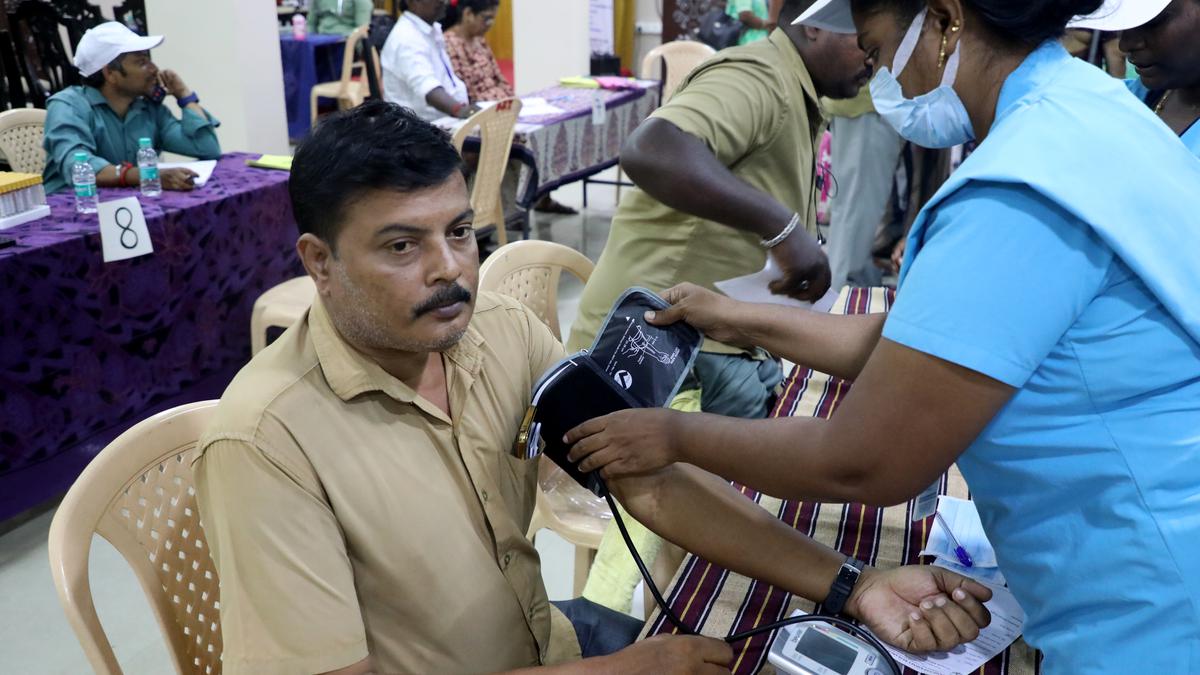
Small handheld devices estimate serum creatinine using a drop of blood in 40 seconds. By deploying these tools in the community, visits to hospitals and franchised laboratories can be avoided. Using this tool in the 30,000 odd primary health care centres in India will boost detection of kidney disease and its management through simple protocols. Though drugs are provided free of cost in government facilities, cost and supply continue to be deterrents for poorer people. ‘Equity of kidney care’ therefore is an appropriate slogan for (World Kidney Day) WKD 2024. It will serve to spread awareness on treatment of kidney disease caused by NCD.


The government plans to amend the FCRA, introducing new regulations for NGO asset management and accountability for key functionaries.

The draft policy for “Responsible Digital Use Among Students”, released on Monday by the Department of Health and Family Welfare, has recommended that parents set structured routines with clear screen-time rules and prioritise privacy, safety, and open conversation with children on digital well-being.

Police Observer Sushant Kumar Saxena conducts surprise inspection at Shencottai police station, reviewing warrants and security arrangements ahead of elections.

Andhra Pradesh government to launch key projects in April, focusing on industrial growth and infrastructure development, says Nara Lokesh.

Lok Sabha refers the Corporate Laws (Amendment) Bill to a JPC amid opposition concerns over CSR provisions dilution.

SHG members in Kanniyakumari use snakes and ladders to raise election awareness and boost voter turnout.

Government accelerates consultations for early implementation of the Women’s Reservation Act to ensure women’s representation in 2029 elections.

CM A. Revanth Reddy distributes ₹1 crore insurance cheques to families of deceased Electricity department employees, enhancing financial security for workers.

The Bengaluru Traffic Police (BTP) registered 634 cases of drunk driving during a week-long special enforcement drive conducted across the city between March 16 and March 22.

GHMC intensifies action against property tax defaulters, seizing properties and offering a One Time Settlement scheme for payments.

CCB arrests three drug peddlers in Mangaluru, seizing ₹2.5 lakh worth of MDMA and other valuables.

TVK's 28 candidates in Puducherry include former BJP MLAs, a sitting Independent, and a retired police IG.

BRS submits notice on private member bill to Speaker