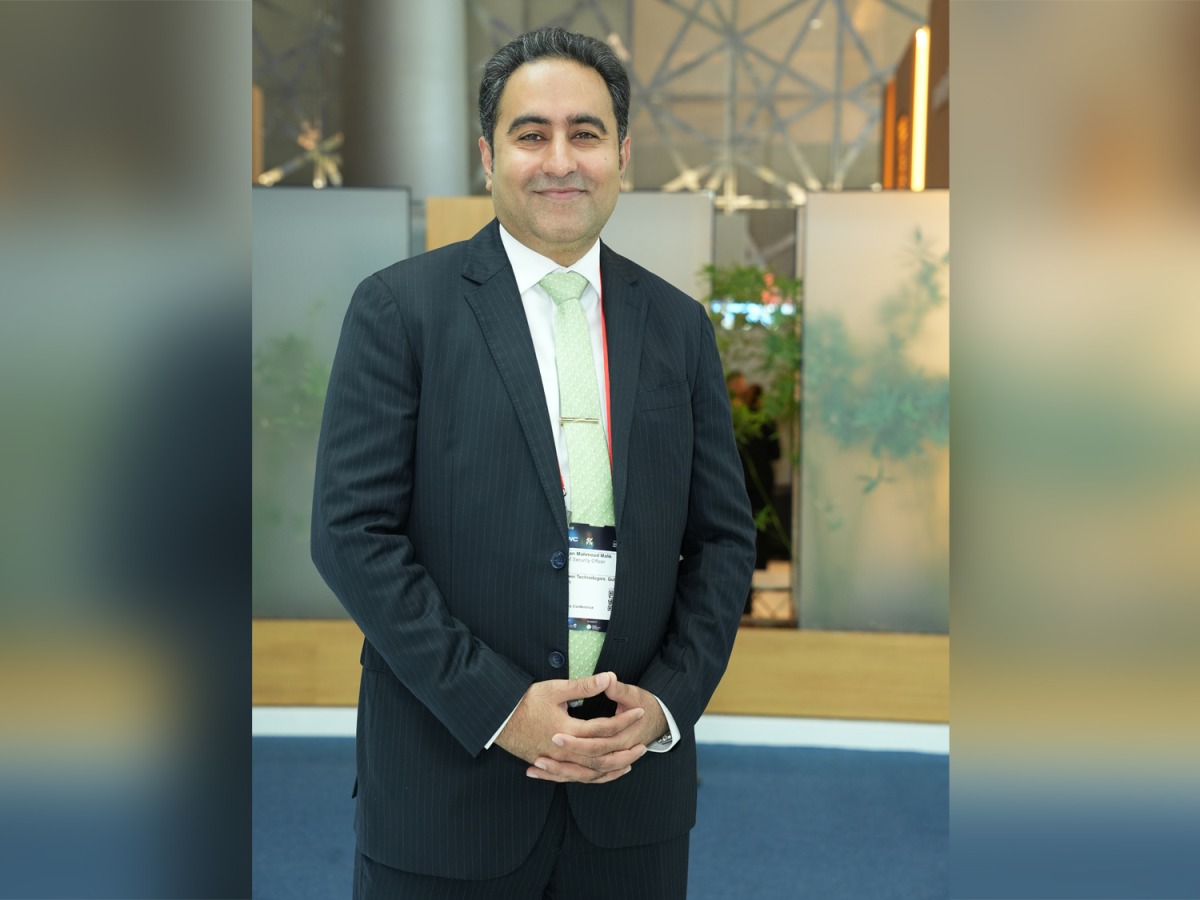
Securing mobile networks is securing nations in the AI era: Huawei’s Sultan Mahmood Malik
The Peninsula
Doha, Qatar: As global industry leaders convene on the sidelines of MWC Doha 2025, the accelerating convergence of 5G, cloud computing, and artificial...
Doha, Qatar: As global industry leaders convene on the sidelines of MWC Doha 2025, the accelerating convergence of 5G, cloud computing, and artificial intelligence continues to reshape the cybersecurity landscape for national infrastructures. With mobile networks now serving as critical pillars for digital economies, ensuring their resilience has become an urgent strategic priority for governments and operators worldwide.
In this exclusive interview—conducted during MWC Doha 2025—Sultan Mahmood Malik, Chief Security Officer for Huawei Gulf North, offers an in-depth look at the rising cyber threats facing the telecom sector, Huawei’s long-term security strategy, and the importance of national initiatives designed to strengthen mobile network protection in an era of AI-driven attacks.
1. Specially in the context of Mobile World Congress, what are the major security threats and challenges being faced by mobile networks—especially in the AI era?
Mobile networks today form the backbone of national digital economies. As we adopt 5G, cloud, and AI-driven services, mobile networks are considered critical national infrastructure—powering everything from transportation and finance to healthcare and government services. Because of this, the security of mobile networks is effectively the security of the nation.
We are now seeing cyberattacks increase at an unprecedented rate. Threat actors are becoming more sophisticated, leveraging automation, AI-generated attacks, and the exploitation of complex network architectures. Some of the major threats include multilayered distributed denial-of-service (DDoS) attacks, which not only cause service degradation or interruptions but also serve as cover for sensitive data exfiltration and ransomware infiltration. In 2025 alone, we have seen numerous incidents across the world that caused devastating results for telcos and the surrounding economic ecosystem.


Doha, Qatar: The Qatar Stock Exchange (QSE) closed this week down 1.99 percent, losing 213.34 points to settle at 10,485 points, driven by pressure fr...

Doha, Qatar: Qatar s real estate sector has witnessed positive momentum in February this year as the total deal value climbed to QR2.709bn showing inv...

Paris, France: Air France KLM said Thursday it is raising long haul ticket prices due to soaring jet fuel prices caused by the Middle East conflict....

Doha, Qatar: The Minister of State for Energy Affairs, H E Saad Sherida Al Kaabi, met yesterday with the Director General for Energy at the European C...

Doha, Qatar: The Minister of State for Energy Affairs HE Eng. Saad bin Sherida Al Kaabi, met today with the Director General for Energy at the Europea...

Doha, Qatar: Following the completion of the legally required quorum, representing (76.81%), Barwa Real Estate Group held the meeting of the Company s...

Doha, Qatar: Active trading and strong investor participation marked the last week at the Qatar Stock Exchange (QSE) as the market remained open and o...

Doha, Qatar: Oil prices spiked to nearly $120 per barrel before falling back slightly on Monday as Iran continued its attacks on several Arab countrie...

Doha, Qatar: Shares in Qatar stock market ended the week on a positive note as shares registered strong gains. The Qatar Stock Exchange (QSE) Index ha...

Dooha, Qatar: Vodafone Qatar held its Ordinary General Assembly Meeting virtually on Sunday, March 1, 2026 chaired by Vodafone Qatar Chief Executive O...

Doha, Qatar: Mwani Qatar recorded significant growth in its operational performance during February on a year on year basis, driven by an increase in...

Doha, Qatar: The year 2025 delivered an apparent contradiction at the heart of the global economy. On the one hand, global trade volumes surprised to...