Scientists spot piezoelectric effect in liquids for the first time Premium
The Hindu
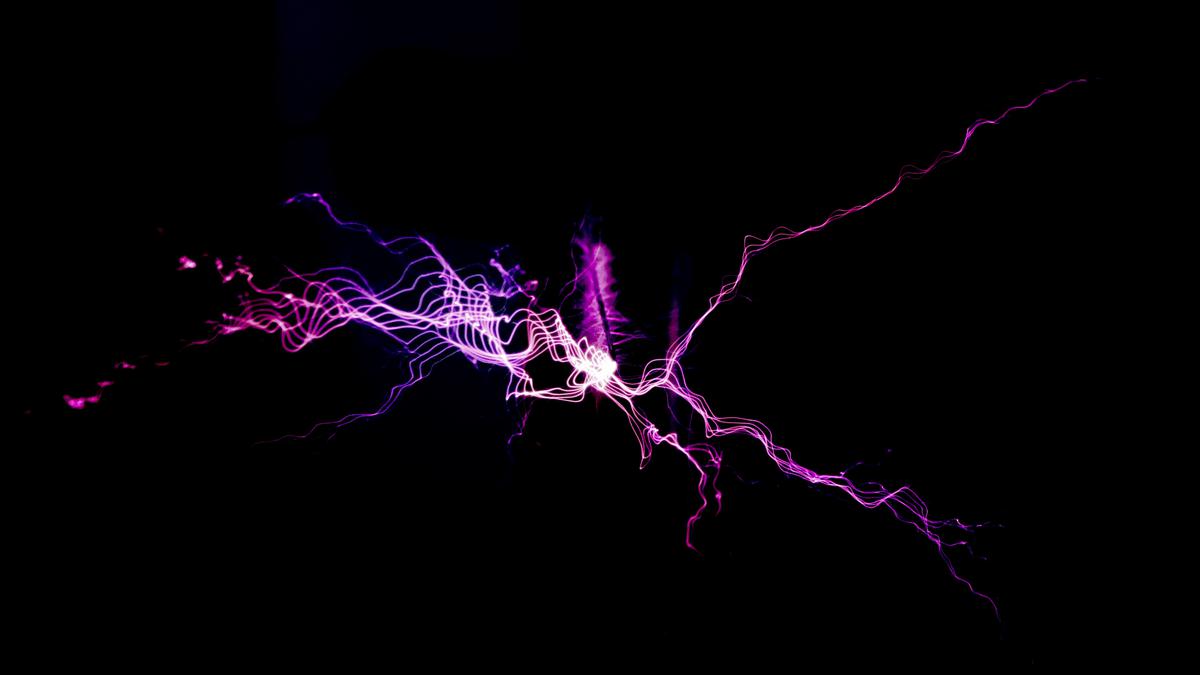
For the first time, scientists have reported evidence of the piezoelectric effect in liquids, specifically room-temperature ionic liquids, upending the theory explaining this effect and opening the door to hitherto unknown applications.
For the first time, scientists have reported evidence of the piezoelectric effect in liquids. The effect has been known for 143 years and in this time has been observed only in solids. The new finding challenges the theory that describes this effect as well as opens the door to previously unanticipated applications in electronic and mechanical systems.
The effect was found in pure 1-butyl-3-methyl imidazolium bis(trifluoromethyl-sulfonyl)imide and 1-hexyl-3-methyl imidazolium bis(trifluoromethylsulfonyl)imide – both ionic liquids (i.e. liquids made of ions instead of molecules) at room temperature. The study paper was published in the latest edition of the Journal of Physical Chemistry Letters.
In the piezoelectric effect, a body develops an electric current when it is squeezed. Quartz is the most famous piezoelectric crystal: it is used in this capacity in analog wristwatches and clocks. Such crystals are also used in cigarette lighters, electric guitars, TV remote controls, audio transducers, and other instruments where converting mechanical stress to a current is useful.
“The piezoelectric effect was discovered in 1880, in quartz, I believe,” Gary Blanchard, a professor at the Department of Chemistry, Michigan State University, and a coauthor of the paper, told The Hindu by email. “Every report we are aware of has been for the piezoelectric effect in a solid material, whether it was a composite or a pure solid. To the best of our knowledge, the piezoelectric effect has not been seen in any liquid until now.”
Quartz is silicon dioxide (SiO2). The quartz crystal consists of silicon and oxygen atoms at the four vertices of a three-sided pyramid; each oxygen atom is shared by two pyramids. These pyramids repeat themselves to form the crystal.
The effective charge of each pyramid is located slightly away from the centre. When a mechanical stress is applied – i.e. when the crystal is squeezed – the position of the charge is pushed further from the centre, giving rise to a small voltage. This is the source of the effect.
The reason the piezoelectric effect has only been expected in solids thus far is that the body being squeezed needs to have an organised structure, like the pyramids of quartz. Liquids don’t have such structure; instead, they take the shape of their container.


Discover the Minor Planet Centre, the key hub for tracking and verifying observations of small solar system bodies.

Discover the Minor Planet Centre, the key hub for tracking and verifying observations of small solar system bodies.

In this week's Science for All newsletter, XX explains

Test your knowledge with the quiz on Science films at the Oscars through history

Set between the Siwalik hills and the plains, Butwal offers travellers a mix of regional cuisine, pilgrimage trails to Lumbini and the comfort of Hyatt’s new hospitality landmark

Explore 2026's wallpaper trends in India, highlighting botanicals and handmade designs that enhance modern homes with nature-inspired aesthetics.

Mercedes-Benz CLA 250+ with EQ Technology review: design, performance, range and features explained. Discover how the new electric CLA combines advanced AI, long range, fast charging and futuristic styling for the next generation of luxury EVs.

AI tool for sparrow conservation

BTS’s comeback with ‘Arirang’ marks a major global music event. When does the album release, and where can you watch their concert live stream? We have all the details

The 2026 U.S. cholesterol guidelines urge starting screening and treatment at 30 to prevent cardiovascular disease effectively.

Olam Festival 2026 in Thiruvananthapuram returns March 27-29 with 120+ vendors, music, art, and cultural zones.

A few storytellers in Thiruvananthapuram share their journeys, challenges, and evolving methods on World Storytelling Day, inspiring young minds.

76-year-old Kurian Jacob from Kerala triumphs with seven medals, including five golds, at the Open Masters Games in Abu Dhabi.