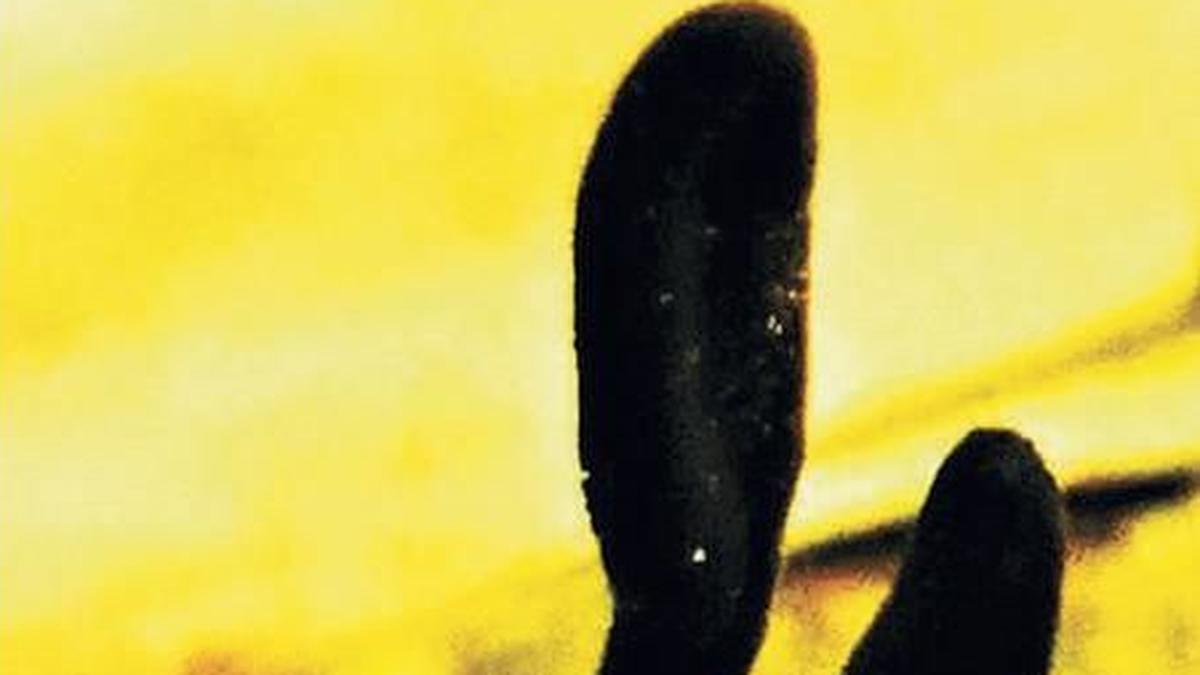
Scientists discover new fungus species in Thrissur
The Hindu
Scientists have discovered a new fungus species, Trichoglossum syamviswanathii, from Kerala. Researchers from the Kerala Forest Research Institute (KFRI), Botanical Survey of India, and the University of Hyderabad are behind the discovery of the new fungus species.
Scientists have discovered a new fungus species, Trichoglossum syamviswanathii, from Kerala. Researchers from the Kerala Forest Research Institute (KFRI), Botanical Survey of India, and the University of Hyderabad are behind the discovery of the new fungus species.
The species Trichoglossum syamviswanathii is named after renowned scientist and former director of KFRI Syam Viswanath for his contribution to the field of forestry in India.
The new fungus species belongs to the family Geoglossaceae (Ascomycota) and was collected from the moist soil of Bambusetum of the KFRI Field Research Centre, Palappilly, in Thrissur. It is characterised and described based on morphological characteristics and molecular phylogenetic analyses, said Shambhu Kumar, senior scientist and head of the Forest Pathology Department, KFRI, a member of the research team.
“The Western Ghats region of Kerala is renowned for its abundant fungal diversity, including numerous species that are endemic to this specific area. This finding underscores the importance of ongoing exploration and research into the diverse flora, fauna, and fungi in the Western Ghats,” he said.
Globally, the genus Trichoglossum has so far 55 records (IndexFungorum, Dec. 2023). However, the diversity of species of Trichoglossum in India is poorly represented. Trichoglossum, commonly known as “hairy earth tongues” fungus, are characterised by distinctive features. These fungi exhibit club-shaped apothecia in dark shades of black or brown, explain the researchers.
Trichoglossum species are globally distributed in tropical and temperate forests in at least five continents of the world. The genus exhibits saprotrophic behaviour but can also be found as an endophyte in plant roots. It has been reported that ecological factors play an important role on the morphology and distribution of the fungal forms.
“Trichoglossum species have been reported to play a crucial role in the decomposition of organic matter. They contribute to the breakdown of dead plant material, helping to recycle nutrients in forest ecosystems. The biological potentiality is not much explored, hence further research has to be done for proximate analysis and biological attributes of Trichoglossum syamviswanathii, Dr. Kumar said.


Set between the Siwalik hills and the plains, Butwal offers travellers a mix of regional cuisine, pilgrimage trails to Lumbini and the comfort of Hyatt’s new hospitality landmark

Explore 2026's wallpaper trends in India, highlighting botanicals and handmade designs that enhance modern homes with nature-inspired aesthetics.

Mercedes-Benz CLA 250+ with EQ Technology review: design, performance, range and features explained. Discover how the new electric CLA combines advanced AI, long range, fast charging and futuristic styling for the next generation of luxury EVs.

AI tool for sparrow conservation

BTS’s comeback with ‘Arirang’ marks a major global music event. When does the album release, and where can you watch their concert live stream? We have all the details

The 2026 U.S. cholesterol guidelines urge starting screening and treatment at 30 to prevent cardiovascular disease effectively.

Olam Festival 2026 in Thiruvananthapuram returns March 27-29 with 120+ vendors, music, art, and cultural zones.

A few storytellers in Thiruvananthapuram share their journeys, challenges, and evolving methods on World Storytelling Day, inspiring young minds.

76-year-old Kurian Jacob from Kerala triumphs with seven medals, including five golds, at the Open Masters Games in Abu Dhabi.

Explore the nature of the human mind as an emergent property of brain activity and complex neural interactions.

CERN's Large Hadron Collider discovers the Xi-cc-plus particle, enhancing understanding of quantum mechanics and baryon behavior.

Vibha Batra’s latest book, Spotless (Hachette India) is a novel in verse for young adults

In its first edition, the Madras Art Salon spotlights the works of journalist and artist Narayan Lakshman at The Botanical Club, a social space in the British Deputy High Commission, Chennai