Science behind cooking: the secret life of the rising cakes!
The Hindu
Uncover the science behind baking and how ingredients react to heat, creating fluffy cakes and golden crusts.
You must be wondering why I am writing this. I am not an ingredient, nor something you enjoy munching on, but guess what? I am the one who knows all the secrets! I watch all your batter rise into cake and cookie dough, becoming crispy and golden. Nobody knows the details as much as I do now, do they?
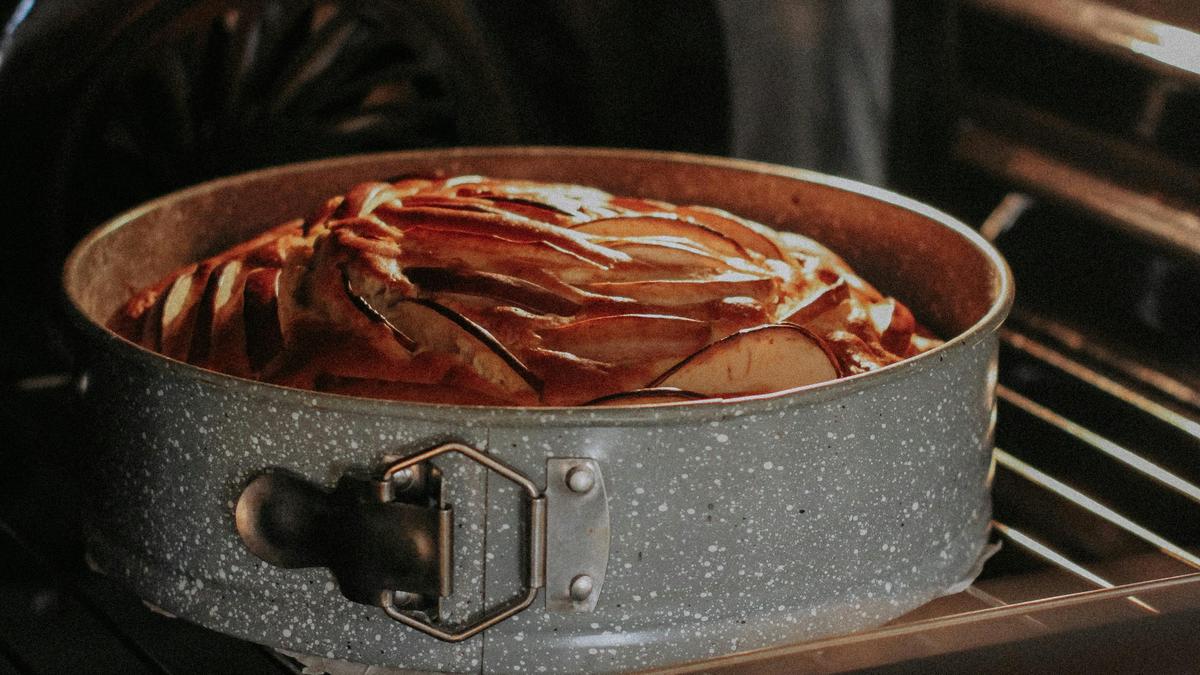
Have you ever wondered how the liquid batter becomes all fluffy, soft and delicious after hanging out with me? It’s simple science! I have the ability to trigger several reactions in the matter, which helps them get a makeover. Let’s dive into the science of baking! The ingredients responsible
As I said, my warmth and skills trigger the makeover; however, it is the ingredients you put in your batter that let me do the same. When you bake a cake, the batter absorbs the heat produced by the oven, causing chemical changes to the molecular structure of the batter. All the ingredients react differently to the heat in an oven; this will change the structure of the cake.
Wheat flour, the starchy white flour commonly used in baking, contains the proteins glutenin and gliadin. When you mix the flour with water, a reaction occurs that binds glutenin and gliadin together to create gluten. Gluten forms in long, stretchy strands that stick together, which helps the batter expand better while getting baked.
The batter itself contains leavening agents like baking powder or baking soda. Both baking powder and baking soda emit carbon dioxide gas when reacting with the other ingredients when heated. These very bubbles of carbon dioxide get trapped in the batter as you stir. Then, as the batter absorbs heat inside the oven, the bubbles of carbon dioxide gas heat up and expand. The expanding bubbles of gas push the batter up and out, causing the cake to expand. Baking soda needs an acid to react and produce CO₂, while baking powder contains both a base (like baking soda) and an acid, allowing it to react with moisture or heat.
That sweet, toasted crust is also the result of a chemical reaction between sugars and proteins called the Maillard reaction. When the baking temperature reaches around 150 degrees Celsius, the sugar mixed into the batter reacts with the amino acids (molecules that combine to form proteins) from the eggs, butter, and gluten. Both the proteins and the sugars break apart and recombine, forming new molecules that give the cake its toasty aroma and rich, golden brown colour.
With all these reactions happening and heat emitted by me fastening them, the cake rises to the glorious form you love gobbling up.


Set between the Siwalik hills and the plains, Butwal offers travellers a mix of regional cuisine, pilgrimage trails to Lumbini and the comfort of Hyatt’s new hospitality landmark

Explore 2026's wallpaper trends in India, highlighting botanicals and handmade designs that enhance modern homes with nature-inspired aesthetics.

Mercedes-Benz CLA 250+ with EQ Technology review: design, performance, range and features explained. Discover how the new electric CLA combines advanced AI, long range, fast charging and futuristic styling for the next generation of luxury EVs.

AI tool for sparrow conservation

BTS’s comeback with ‘Arirang’ marks a major global music event. When does the album release, and where can you watch their concert live stream? We have all the details

The 2026 U.S. cholesterol guidelines urge starting screening and treatment at 30 to prevent cardiovascular disease effectively.

Olam Festival 2026 in Thiruvananthapuram returns March 27-29 with 120+ vendors, music, art, and cultural zones.

A few storytellers in Thiruvananthapuram share their journeys, challenges, and evolving methods on World Storytelling Day, inspiring young minds.

76-year-old Kurian Jacob from Kerala triumphs with seven medals, including five golds, at the Open Masters Games in Abu Dhabi.

Explore the nature of the human mind as an emergent property of brain activity and complex neural interactions.

CERN's Large Hadron Collider discovers the Xi-cc-plus particle, enhancing understanding of quantum mechanics and baryon behavior.

Vibha Batra’s latest book, Spotless (Hachette India) is a novel in verse for young adults

In its first edition, the Madras Art Salon spotlights the works of journalist and artist Narayan Lakshman at The Botanical Club, a social space in the British Deputy High Commission, Chennai