Scamsters sketch escape route through works of art
The Hindu
NEW DELHI
Investment in expensive artworks and valuables seems to have emerged as a favourite option for businessmen looking to divert proceeds of bank loan scams, the latest example being the ₹34,615-crore case against Dewan Housing Finance Corporation Limited (DHFL) and its promoters.
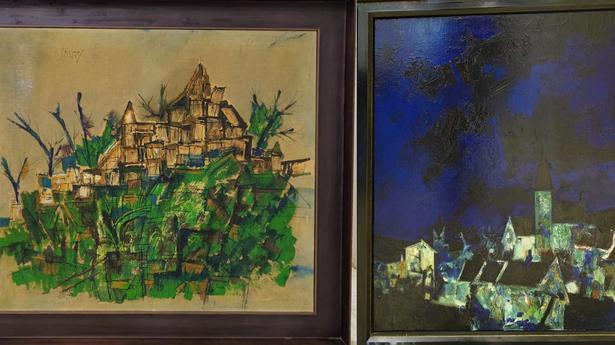
The Central Bureau of Investigation (CBI) has found that the two principal accused in the case — then DHFL chairman-cum-managing director Kapil Wadhawan and director Dheeraj Wadhawan — had bought at least two paintings worth nearly ₹30 crore. They were seized from the 15 th floor of co-accused Ajay Ramesh Nawandar’s property in Mumbai’s Andheri West on July 9.
Subsequently, the CBI arrested Mr. Nawandar on the suspicion that he along with others was trying to dispose of the paintings and other luxury items at the instance of the Wadhawan brothers. He is currently in judicial custody. His bail application was rejected by a special court on August 20.
Also read: The scam faultline is damaging Indian banking
As it turns out, during the searches, the agency had allegedly seized the two paintings apart from ₹45 lakh in cash and 25 expensive watches from Mr. Nawandar's premises. A probe revealed that the paintings were bought through an entity named JVPD One Builder from Asta Guru Auction House Private Limited in 2013, according to the agency.
The agency alleges that the paintings were acquired from the proceeds of defrauded loan amounts taken from a consortium of 17 banks led by the Union Bank of India. Also, funds for this purchase had been diverted by DHFL to JVPD through companies operated by DHFL named Creatoz Builders Private Limited and RKW Developers Private Limited.
The CBI submitted in the court that as proceedings for the attachment of assets of Mr. Kapil Wadhawan were under way, Mr. Nawandar kept them [paintings, watches, etc.,] in order to prevent them from being attached and was attempting to dispose of the items. The agency, while investigating its biggest ever bank fraud case, also came across evidence indicating that he had received ₹1.30 crore from Mr. Dheeraj Wadhawan.


Khalid Rahman is reuniting with Malayalam superstar Mammootty after Unda (2019). The Thallumaala director has teamed up with the veteran for Mattancherry Mafia.

Bollywood actor Akshay Kumar paid tribute to the martial arts grandmaster and Hollywood’s action star, Chuck Norris, who passed away on Thursday, March 19, 2026.

Renowned Odissi dancer Madhumita Raut, aged 59, dies of cardiac arrest, leaving behind a legacy of artistic achievements.

Chuck Norris, iconic martial arts master and actor, dies at 86, leaving behind a legendary legacy and internet memes.

South African naturalist Steve Boyes speaks on ghost elephants, ancestral tracking, and Werner Herzog’s documentary exploring Angola’s elusive highland giants

Actor-director Amol Palekar will receive META's Lifetime Achievement award for 2026 on March 25 in New Delhi.

India's artists unite against rising censorship, advocating for creative freedom and support for marginalized voices in the arts.

Written and directed by Kunal, the film also stars Sparsh Shrivastava and Vanshika Dhir

This year, Bharatnatyam artistes will present the Tyagaraja Aradhane as a dance performance

This year, Bharatnatyam artistes will present the Tyagaraja Aradhane as a dance performance

The actor, along with director Sushant Shah, speak about their upcoming series ‘Chiraiya’, Divya’s process of working on the dialect, Sushant’s approach to telling a story about women, and more

An independent video, ‘Feel the Spark’ by Raleigh Rajan with vocals by Ciera Dumas that celebrates Tamil literary giants, garnered 1.4 million views in less than 36 hours.

In ‘Jack Ryan: Ghost War’, John Krasinski is back as the savvy CIA analyst, diving headfirst into a high-stakes mission that unravels a deadly conspiracy and pits him against a rogue black-ops unit