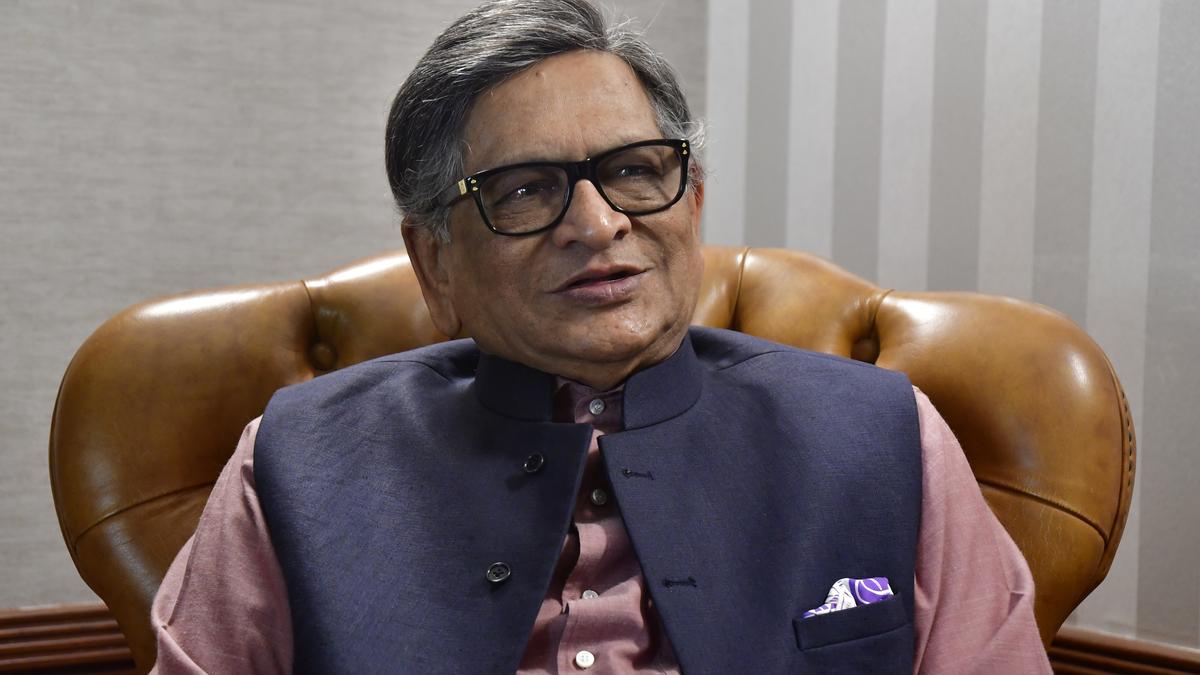
S.M. Krishna: Harbinger of reforms in all aspects of Karnataka’s administration
The Hindu
S.M. Krishna became chief minister, perhaps, at the wrong time in some sense. The administration faced many difficulties during 2001–02 as the government was busy in resolving the dispute over sharing of the Cauvery river water with Tamil Nadu. The kidnapping of Kannada matinee idol Dr Rajkumar and release after 109 days in captivity, and also the murder of former minister H. Nagappa and the consequent public outcry dominated the government’s time and energies. Vagaries of monsoon caused farmers’ suicides. Mr Krishna was really hamstrung and was not in a position to fully implement his vision.
Somanahalli Mallaiah Krishna, or SMK, was one of the most well-educated, suave, sophisticated, soft-spoken politicians of Karnataka, who has served as member of both Houses of Karnataka legislature and Indian Parliament. He was a harbinger of reforms in all aspects of Karnataka’s administration.
In 1999, when he took over the reins of power from the Janata Dal government led by J. H. Patel, Karnataka’s economy was in dire straits. With the Congress securing power under his leadership, Mr Krishna became the Chief Minister (1999-2004). He opened the door to a closer relationship with the World Bank, civil society organisations and industry experts for introducing reforms. He was instrumental in introducing a range of reforms in fiscal and public expenditure management, administration, private sector development, and poverty and human development monitoring.


Niranjanaradhya highlights Gandhi's vision of life skills-based education and critiques the neglect of government schools in India.

Leader of Opposition R. Ashok on Tuesday alleged in the Legislative Assembly that the ruling Congress government is planning to shut down Bengaluru’s only Government Flying Training School (GFTS) at Jakkur to develop an exclusive club for MPs, legislators, and senior bureaucrats.

The highlight of every edition of the Whitefield Art Collective is the Kala Car, an exhibit that showcases the creative and artistic prowess of art students. Over the years, this clever play on words has titled vehicles that have either been rescued from the scrap yard or sponsored or auctioned or all of the above.

Devotees flock to Sri Kanaka Durga Temple for serene Pushparchana celebrations during Vasantha Navaratri, adorned with fragrant floral decorations.

CAG audit reveals Arvind Kejriwal's bungalow renovation exceeded budget by 342%, costing ₹33.66 crore instead of ₹7.91 crore.

Unexpected hailstorm and evening showers in Hyderabad catch commuters off guard on March 24, 2026 evening, providing relief from the intense afternoon heat.

EVMs and VVPAT units dispatched to Erode's eight Assembly constituencies ahead of polling on April 23, 2026.

Indigo Airlines may halt Bengaluru–Shivamogga flights; MP Raghavendra seeks to persuade the airline to continue services.

181 offenders held in month-long crackdown on harassment

39 enforcement officials in Hyderabad trained to enhance road safety measures in school zones for better child protection.

Hyderabad bucks congestion trend as traffic speeds improve despite a surge in vehicles on its roads.

‘Love Mocktail 3’, the latest installment of the hit Kannada franchise from Darling Krishna-Milana Nagaraj, is winning hearts in Karnataka, weathering the challenge of the action-packed juggernaut ‘Dhurandhar: The Revenge’

VSU professor R. Madhumathi awarded by Venus International Foundation for her exceptional contributions to education and social service.