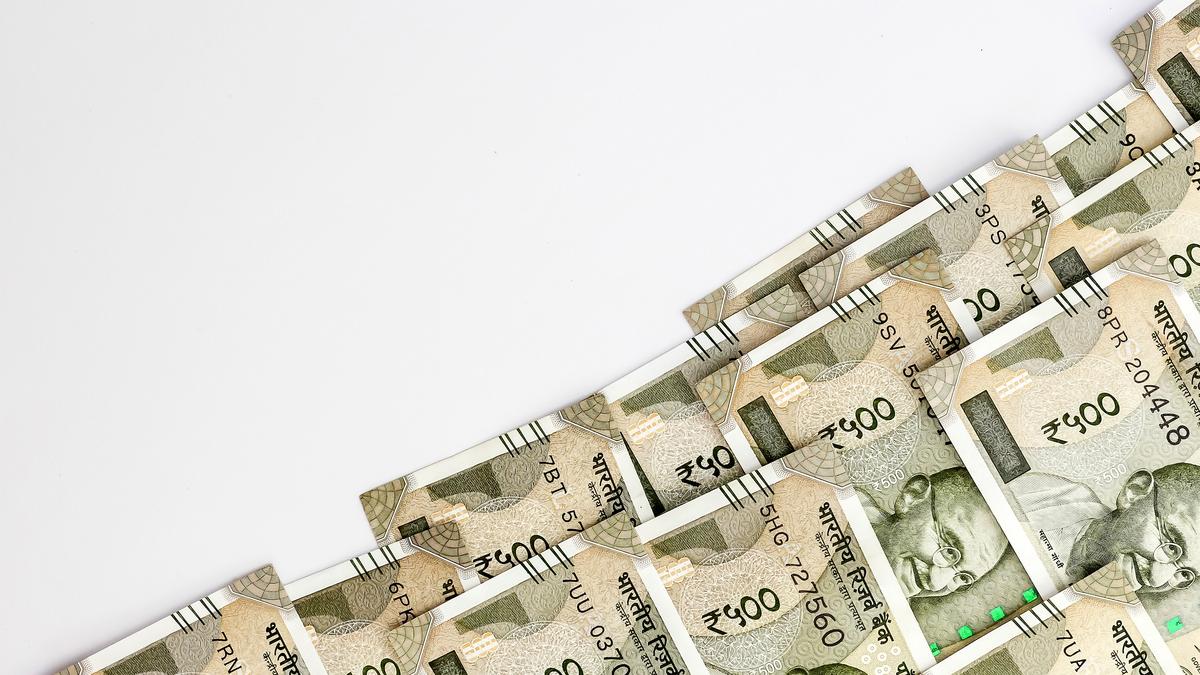
Rupee drops 13 paise to all-time low of 84.73 against U.S. dollar
The Hindu
Rupee hits all-time low against dollar on Trump tariff threat, disappointing data, and foreign fund outflows.
The rupee depreciated 13 paise to close at an all-time low of 84.73 (provisional) against the U.S. dollar on Monday (December 2, 2024), on disappointing macroeconomic data and broad strength of the American currency in the overseas markets.
Forex traders said Asian currencies were down after Trump Rhetoric on BRICs currency, as the move may further strengthen the greenback.
President-elect Donald Trump on Saturday (November 30, 2024) threatened a 100% tariff on the BRIC bloc of nations if they act to undermine the U.S. dollar.
At the interbank foreign exchange, the rupee opened at 84.59 and touched the lowest level of 84.73 against the greenback during intra-day trade. The unit ended the session at an all-time low of 84.73 (provisional) against the dollar, registering a fall of 13 paise over its previous close.
On Friday (November 29, 2024), the rupee plunged 13 paise to settle at a fresh all-time low of 84.60 against the U.S. dollar.
Traders said disappointing macroeconomic data and persistent foreign fund outflows also dented investor sentiments.
India's manufacturing sector growth fell to a joint 11-month low of 56.5 in November, restricted by competitive conditions and inflationary pressures amid a softer increase in factory orders, a monthly survey said on Monday.


Indian markets plunged over 3% amid soaring crude prices, rupee depreciation, and escalating West Asia geopolitical tensions in March 2026.

Government launches ₹497 crore RELIEF scheme providing credit insurance to exporters affected by the West Asia crisis, focusing on MSMEs.

Crude oil futures rise amid Middle East attacks, pushing Brent above $116 on fears of tightening global supply.

West Asia conflict delays India’s FTA talks with GCC and Israel, while UK and EU agreements proceed as planned in 2024.

Russian Urals oil vessels will reach India on March 21 amid stable fuel prices and diversified LPG imports.

Warner Bros. dominated the Academy Awards, but Paramount’s looming acquisition of the studio signals the biggest restructuring of the industry in decades and a battle over the future of Hollywood itself

HDFC Bank board calls Atanu Chakraborty’s resignation baffling, affirms robust corporate governance and strong market confidence.

RNFI and Jio Payments Bank launch cardless UPI QR cash withdrawals for instant access across urban, semi-urban, and rural India.

RBI approves HDFC Bank's chairman transition plan, affirming the bank's strong financials and competent management.

Markets fall 2% as Israel attacks Iran’s South Pars gas field, pushing Brent crude above $112 and rupee below ₹93.

HDFC Bank shares drop over 4% following chairman’s ethical resignation, raising insider trading and management concerns.

Erran Berger, the Vice President of Product Engineering at LinkedIn, thinks the former type of division of labour is rapidly disappearing

India mandates oil and gas firms to share import and export data to mitigate consumer shortages amid rising global prices.