Reviving a ‘dead’ river: cultural event to celebrate legacy of Yamuna
The Hindu
Reviving a ‘dead’ river: cultural event to celebrate legacy of Yamuna
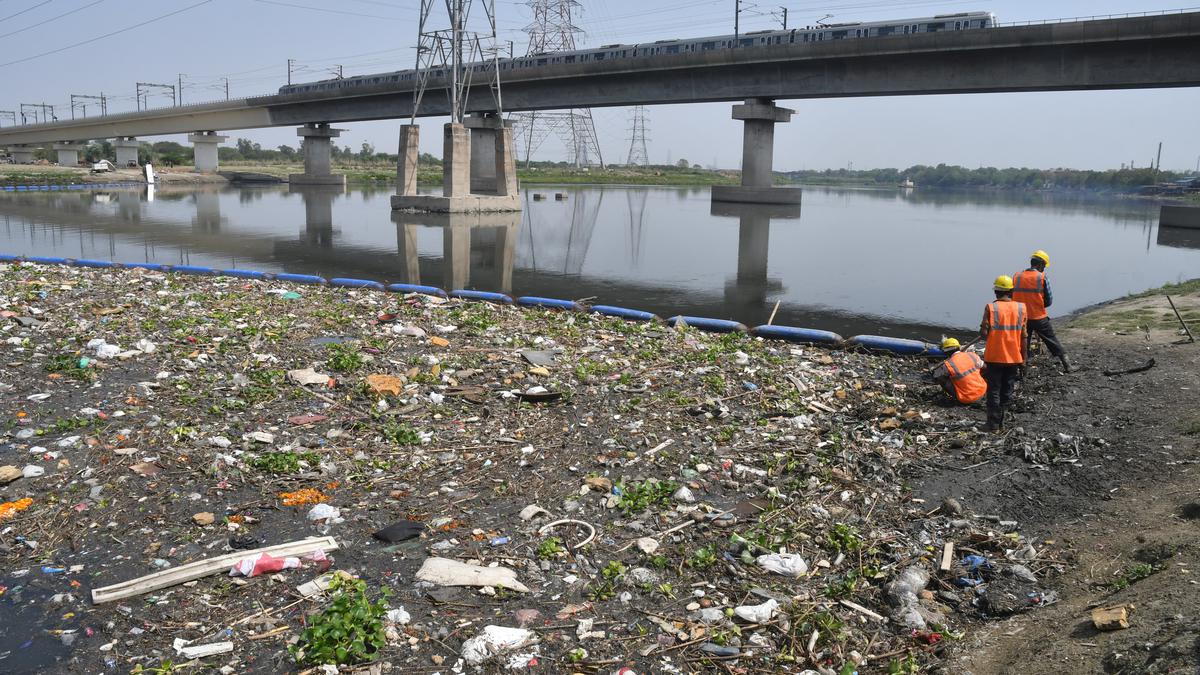
The Yamuna, a river that environmentalists consider ecologically dead in Delhi, will now be the focus of a cultural push to renew India’s civilisational and socio-religious connect with its waterbodies.
Come September, the Indira Gandhi National Centre for the Arts (IGNCA) will host a cultural programme on the banks of the river in Delhi, under its special project – Riverine Cultures of India – that began in 2018.
The highlight of the event will be a short film festival on waterbodies like ponds, rivers, streams, and wells, shot by children near their homes in villages, towns, and cities across the country.
Other events and displays will include a photo exhibition comparing the Yamuna of today with what the river was like 50 years ago; symposia on various aspects like ecology and conservation of India’s rivers and their importance in the country’s heritage; and an exhibition themed on 15 ghats across the country in Sanjhi or paper stencil art.
The larger project is focusing on six rivers right now: Ganga, Yamuna, and Sindhu in the north; and Krishna, Godavari, and Kaveri in the South. Dates of similar events on the other rivers are not known.
The project envisages festivals celebrating rivers in different cities, a study on these rivers in their contemporary context, and workshops along the banks involving environmentalists, cultural historians, anthropologists, and folklorists. They hope to develop a major study on riverine cultures, along with one on the mythical river Saraswati to “understand its importance in the evolution of human cultures”.
Until now, festivals have been organised on the banks of the Ganga in Munger (Bihar), Godavari in Nashik (Maharashtra), Krishna in Vijayawada (Andhra Pradesh), and Hooghly in Kolkata (West Bengal).


The ‘Swastha Mysuru’ initiative aims to promote healthy living and preventive healthcare in Mysuru through community engagement and awareness.

Farmers in Ongole protest against BJP's policies, citing dangers to their livelihoods and demanding support for local agriculture.

From March 24, paneer queserotta, prawn tostadas, beef birria and more feature on MadCo's special Mexican pop up menu by Chef Mathangi Kumar alongside experimental cocktails, including a marigold highball

Revenue Minister Krishna Byre Gowda defends subsidies as crucial for economic growth, emphasising their role in boosting consumer demand during recessions.

Three doctors were arrested by the Mico Layout traffic police on Monday (March 23) after a video allegedly showing them triple-riding without helmets with one of the pillion riders seen drinking from a bottle went viral on social media.

Assembly protest ends in arrests as BJP targets Government over guarantees

Andhra Pradesh accelerates city gas distribution with streamlined approvals, enhancing access to cleaner energy and supporting sustainable urban development.

Sattankulam father-son custodial deaths case: Trial court convicts all nine accused police personnel
Nine police personnel convicted in Sattankulam custodial deaths; sentencing to be announced on March 30.

Minister Laxmi Hebbalkar supports local protests against a solid waste management plant in Turmuri, addressing residents' concerns.

Sattankulam father-son custodial deaths case: Trial court convicts all nine accused police personnel
Nine police personnel convicted in Sattankulam custodial deaths; sentencing to be announced on March 30.

Erode district conducts first EVM randomisation for April 23 Assembly elections, ensuring transparency and fairness in allocation.

TNCC conducts public consultation in Erode to gather community input for its upcoming election manifesto.

CID to investigate sexual assault allegations against suspended Moodbidri Police Inspector P.G. Sandesh, reveals Home Minister Parameshwara.