Retailers use police-like investigation centers to fight theft. Shoppers pay the price
CNN
Retailers like Home Depot supply cops with the key evidence to bust organized crime rings.
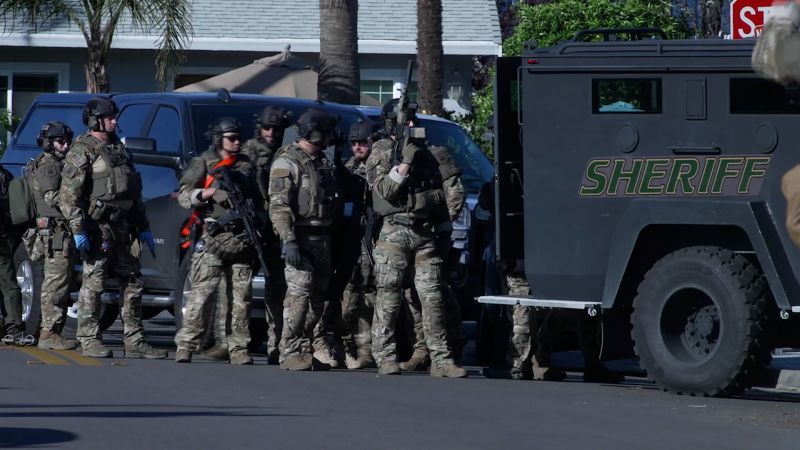
When SWAT officers swarmed a house in a sleepy San Jose, California neighborhood last month, they found what could best be described as a make-shift hardware store inside: Shelves lined with boxes of brand-new tools, bathroom fixtures and spools of industrial wiring. It resembled a mini Home Depot. And in some ways, it was. Much of the cache of products—worth about $150,000—had been stolen from real Home Depot stores. The retail chain’s internal security force spent months investigating the thefts, scanning security camera footage, tracking license plates and surveilling suspects. They connected dots of the criminal network allegedly responsible and shared their findings with the Santa Clara County Sheriff’s Office, which executed search warrants and arrested the suspects. Increasingly, this is how it goes today for retailers trying to battle theft and fraud by organized crime rings. A CNN review of court records and interviews with more than two dozen retail and law enforcement officials shows that persistent problems with sophisticated organized crime networks have led many private-sector companies to not only assist law enforcement but to often deliver the bulk of the evidence that leads to criminal prosecutions. Anyone who has shopped at retail stores in recent years has encountered everyday products like laundry detergent, medication and beauty supplies locked up behind metal gates or plexiglass. Retailers say those in-store security measures are emblematic of the ongoing threat of organized retail crime, which typically involves groups of low-level thieves who steal items for middlemen who in turn sell to unsuspecting customers hunting for deals on marketplaces such as Amazon or eBay. Efforts to counter this crime, however, have come with some costs. Security investments can translate into higher prices for consumers, and civil liberties advocates argue the surveillance technology used by retailers can infringe on individuals’ privacy.


Artificial intelligence could widen the problem of income inequality, said BlackRock CEO Larry Fink in his annual letter to shareholders.

Stocks soared and oil prices fell after President Donald Trump on Monday said the United States would postpone further strikes on Iran’s energy infrastructure, pending the outcome of negotiations.

The national average price for a gallon of regular unleaded gasoline is on the verge of hitting $4 for the first time since 2022.

Oil prices rose Monday after the United States and Iran threatened fresh attacks on energy facilities in the Middle East, including power plants, signaling that the conflict may yet escalate.

The war in Iran is pushing up prices for already-strained farmers, with higher costs for fertilizer and energy on top of last year’s tariffs. And the increasing pressure on American agriculture could lead to even bigger price tags at the grocery store.

If you only watched Fox News over the weekend, you didn’t hear about President Donald Trump’s widely condemned reaction to Robert Mueller’s death.

Oil prices rose Sunday after President Donald Trump threatened to “obliterate” Iran’s power plants if the Strait of Hormuz is not reopened by Monday evening.

Defense Secretary Pete Hegseth has been taking steps to thwart news coverage of the Pentagon for more than a year. Now he has finally met some resistance.

Defense Secretary Pete Hegseth has been taking steps to thwart news coverage of the Pentagon for more than a year. Now he has finally met some resistance.

Gerald Rodriguez, the general manager of an NPR affiliate in rural Colorado, expected federal funding for public media to shrink. He didn’t expect it to disappear almost overnight.

The much-touted new tax breaks for tips, overtime, seniors and car loan interest have a lot of income tax filers expecting a big bump in their refunds this year – or a big cut in their tax bill.

Looking out his shop window, across the street, just to the right, Paloma Clothing co-owner Mike Roach sees one of Portland, Oregon’s, most expensive gas stations.

Oil and liquefied natural gas tankers moving through the Strait of Hormuz carry around 20% of the world’s supply. But for countries on the Persian Gulf, the waterway is more than just an energy route – it’s a lifeline for more than 100 million people.