Researchers spot a clue as to why human and mouse genomes overlap Premium
The Hindu
Discovering ultra-conserved elements in the genome and their role in limiting protein production in mice testes.
Eighty million years ago humans, rats, and mice shared the same mammalian ancestor.
More recently, researchers made the astonishing discovery that even today our genomes contain close to 500 segments that have remained totally unchanged since then. These segments are called ultra-conserved elements (UCEs). Nearly all the UCEs are also highly unchanged in the chicken and dog genomes, and many are significantly conserved in fish, too.
What biological constraint maintained the UCEs intact in so many different genomes for these tens of millions of years?
For a long time scientists had no idea — so much so that our ignorance was considered profound.
But a team made a breakthrough this year. Researchers led by David J. Elliott of Newcastle University in the UK reported in EMBO Journal that a UCE in a mouse gene has an important role in limiting the production of the protein encoded by this gene.
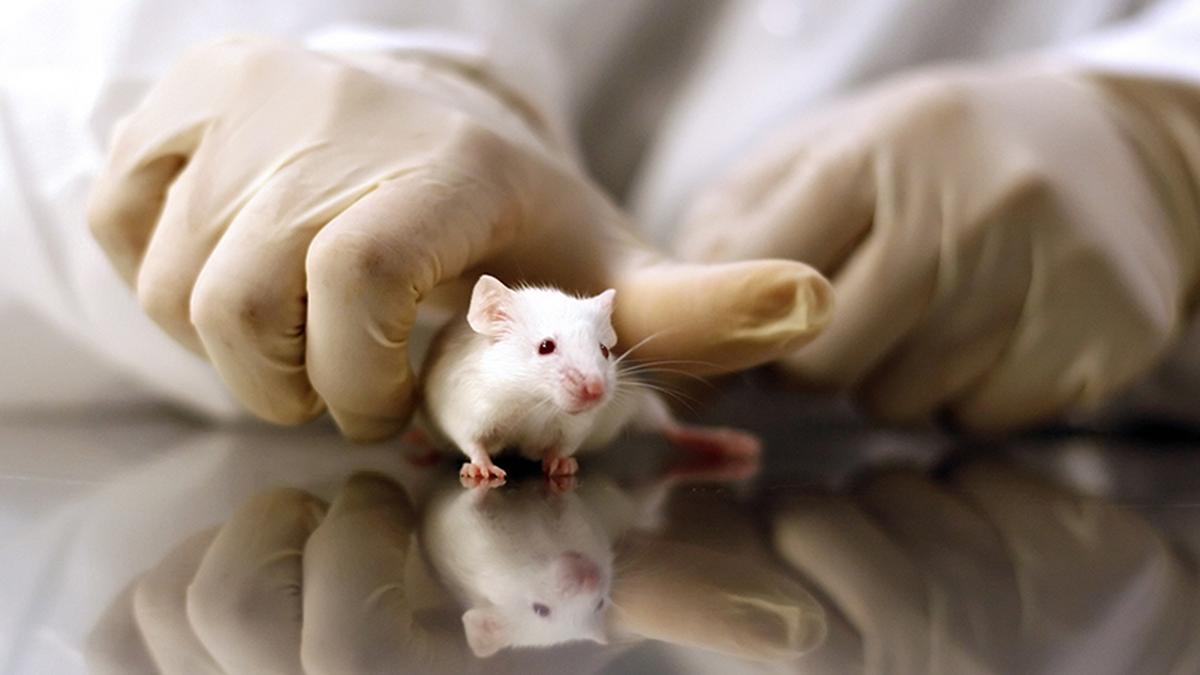
Using genetic engineering, they deleted this gene in mouse testes, and found that these mice over-produced the corresponding protein in their testes. The overproduction resulted in death of the sperm-producing cells and the mice becoming infertile.
This result suggested that if the UCE underwent any change that interfered with its role in limiting that protein’s levels, it would result in loss of sperm production. Thus the altered UCE wouldn’t be transmitted to the next generation, accounting for the maintenance of the UCE across species.


Discover the Minor Planet Centre, the key hub for tracking and verifying observations of small solar system bodies.

Discover the Minor Planet Centre, the key hub for tracking and verifying observations of small solar system bodies.

In this week's Science for All newsletter, XX explains

Test your knowledge with the quiz on Science films at the Oscars through history

Set between the Siwalik hills and the plains, Butwal offers travellers a mix of regional cuisine, pilgrimage trails to Lumbini and the comfort of Hyatt’s new hospitality landmark

Explore 2026's wallpaper trends in India, highlighting botanicals and handmade designs that enhance modern homes with nature-inspired aesthetics.

Mercedes-Benz CLA 250+ with EQ Technology review: design, performance, range and features explained. Discover how the new electric CLA combines advanced AI, long range, fast charging and futuristic styling for the next generation of luxury EVs.

AI tool for sparrow conservation

BTS’s comeback with ‘Arirang’ marks a major global music event. When does the album release, and where can you watch their concert live stream? We have all the details

The 2026 U.S. cholesterol guidelines urge starting screening and treatment at 30 to prevent cardiovascular disease effectively.

Olam Festival 2026 in Thiruvananthapuram returns March 27-29 with 120+ vendors, music, art, and cultural zones.

A few storytellers in Thiruvananthapuram share their journeys, challenges, and evolving methods on World Storytelling Day, inspiring young minds.

76-year-old Kurian Jacob from Kerala triumphs with seven medals, including five golds, at the Open Masters Games in Abu Dhabi.