‘Research must ask the right questions, sensitise technologists, communicate effectively to stakeholders’ Premium
The Hindu
While the problems may look common, what is different is the source of these problems in each city and how they affect the different inhabitants in each city, says Balaji Parthasarathy, faculty at IIIT-Bangalore and Principal Investigator at Fairworks India project. Part of IIIT-B’s Centre for Information Technology and Public Policy (CITAPP), an interdisciplinary research and advocacy centre that focuses on the policy challenges and the organisational demands made by technological innovation, Parthasarathy speaks to The Hindu about the works of CITAPP, the role of research in sensitising technologists, policymakers and other stakeholders about the social implications of technology, and why it is crucial to ask the larger questions.
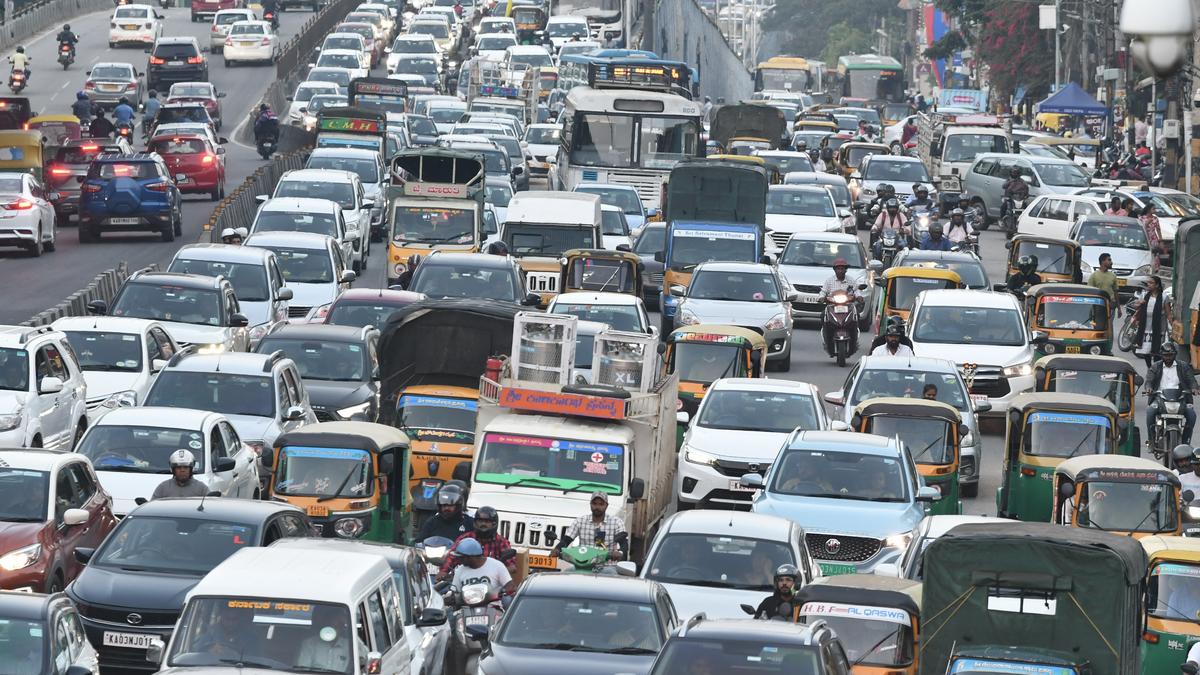
As a city grows, so do its problems. In the years 2022 and 2024 Bengaluru witnessed some of the worst floods in its history, whereas 2023 was a year of drought. The latest TomTom traffic index has rated the city’s traffic as the third slowest in the world. Plumes of dust from construction debris, potholes and vehicular emission have ensured soaring levels of air pollution in the city.
However, many of these problems are not unique to Bengaluru. Inundated roads and railway tracks during monsoon have become a yearly phenomenon in Mumbai, while Kolkata has the second slowest traffic as per the TomTom index. Pollution levels in Delhi skyrocket every winter.
While the problems may look common, what is different is the source of these problems in each city and how they affect the different inhabitants in each city, says Balaji Parthasarathy, faculty at IIIT-Bangalore and Principal Investigator at Fairworks India project. Part of IIIT-B’s Centre for Information Technology and Public Policy (CITAPP), an interdisciplinary research and advocacy centre that focuses on the policy challenges and the organisational demands made by technological innovation, Parthasarathy speaks to The Hindu about the works of CITAPP, the role of research in sensitising technologists, policymakers and other stakeholders about the social implications of technology, and why it is crucial to ask the larger questions.


Thirumavalavan urges CM Stalin to ensure Kamal Haasan’s MNM contests the Assembly elections to strengthen the alliance.

Two killed and 23 injured in a sleeper bus accident in central Delhi; investigation ongoing.

Governor Shiv Pratap Shukla inaugurates the 74th All India Police Football Championship in Hyderabad, emphasizing sports' role in policing.

Visakhapatnam police recover ₹66 lakh in property from 54 arrested in February, solving 62 crime cases.

OPS claims EPS's lost credibility will undermine AIADMK's election manifesto, as DMK promises have proven reliable and effective.

Explore Modakkurichi's agrarian challenges, development gaps, and tourism potential as it gears up for the upcoming elections.

The Govindapura police have successfully traced an 84-year-old man suffering from dementia who had gone missing last month, following a sustained 25-day search operation across the city.

First randomisation of EVMs and VVPATs held in Dindigul, Theni districts

Madras High Court permits Dayanidhi Maran to summon Union Telecom Secretary as witness in illegal telephone exchange case.

President of Mysuru District Consumer Disputes Redressal Commission A.K. Naveen Kumari has called upon consumers to check for quality certifications like ISI on products before purchasing them.

Students and women’s self-help groups in Madurai engage in vibrant voter awareness campaigns promoting 100% voting participation.

India pledges 60% non-fossil fuel power by 2035, targeting 47% emissions reduction per GDP unit and enhanced carbon sinks.

Supreme Court rules land acquisition compensation and interest must uphold constitutional guarantees, unaffected by financial burdens.