Report into Durham police raises expert concerns about how service handles mental health, PTSD
CBC
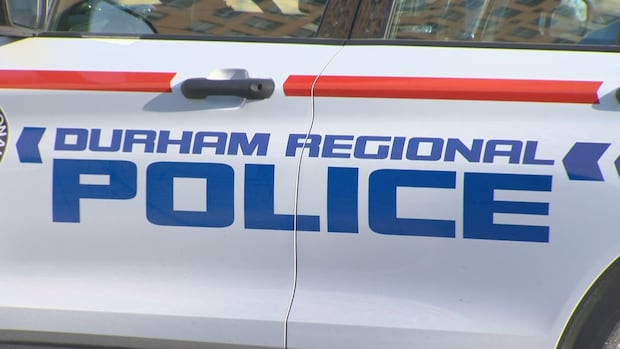
A six-year report into the Durham Regional Police Service (DRPS) raises concerns about how it handles officers’ claims of mental health stress and PTSD, experts say.
The heavily redacted report by the Ontario Civilian Police Commission, obtained by CBC News through a freedom of information request, says the DRPS "vigorously opposed virtually every application to the Workplace Safety Insurance Board (WSIB) for presumptive PTSD,” and fought claims of chronic mental stress.
These findings are concerning since people need timely interventions for mental health support, said Alec King, communications and public relations lead for the Canadian Mental Health Association Durham.
“When help is postponed, healing takes longer,” he said.
DRPS Chief Peter Moreira and the police board have said the report covers events that happened over six years ago, involving former board members and a senior command team that is no longer with the service.
Much has changed since then, and many of the report’s 33 recommendations are already in effect, Moreira and the board said — but questions remain about how the service now handles PTSD and mental stress claims.
It is not clear whether DRPS is still opposing officers’ mental health claims at the WSIB, as found in the report. While the board and Moreira both released statements on Tuesday describing changes since the period covered by the report, neither specifically addresses the report’s findings related to PTSD and mental health.
The report also says investigators found evidence the DRPS ran a "poisoned work environment” marred by bias in workplace harassment investigations, intimidation and dismissive attitudes towards mental health concerns.
There is a public perception that most police stress and mental health leave results from traumatic events they respond to for work, says Judith Andersen, an associate professor at the University of Toronto’s department of psychology who researches mental health of first responders.
But, she says research shows that a “huge proportion” of mental health leaves and burnout is from organizational stressors.
“Often, the instigator of the stress leave is from [an] internal organizational toxic workplace,” Anderson said.
At a Durham Regional Council meeting on Thursday, Garry Cubitt, vice-chair of the DRPS board, brought up ongoing concerns with the Supporting Ontario’s First Responders Act, passed in 2016.
According to the report, the legislation was intended to give first responders quicker access to mental health support and benefits by assuming their PTSD is job-related.
But boards across Ontario have felt the law places limits on how they can support officers who have PTSD, said Cubitt, who was not on the board during the period investigated by the report.


Lawyers for a man acquitted in a high-profile Toronto murder trial where a police officer was killed are holding a news conference Thursday to address a recent Ontario Provincial Police report that re-examines evidence from the trial.

Quebec provincial police arrested two men after a suspicious package grounded flights headed to Montreal's Pierre Elliott Trudeau International Airport on Wednesday.

A nurse in Winnipeg says Canada's immigration system is undercutting efforts to address a shortage of health-care workers, after his application for permanent residency was rejected based on a technicality.

This year's provincial budget is "essentially" the status quo for wildfire preparation and response, the finance minister says.

Parts of B.C.'s coast continues to see heavy rain as Environment and Climate Change Canada warns of a prolonged atmospheric river this week.

Alberta teachers say they face increasingly dangerous conditions at school, with the most common threat coming from their own students.

Cataract surgeries at Charlottetown’s outpatient clinic are expected to resume in April, after procedures scheduled for March were cancelled due to the clinic reaching its annual funding target earlier than expected.

Shannon Elgazzar can see planes taking off from Cairo International Airport from her balcony.

Yellowknife city council has voted in favour of signing an agreement with the federal government that's aimed at bringing piped water and sewer service to the city's airport.

While Canada's economy is far more reliant on exports to the U.S. than vice versa, Canadian negotiators have crucial ammunition in their efforts to land a trade deal that reduces or eliminates tariffs imposed by U.S. President Donald Trump.

Nova Scotia PC MLA Rick Burns says he and his wife are victims of blackmail after hackers accessed and shared videos and intimate images on his personal devices this week.

The Saint John Board of Police Commissioners and Chief Robert Bruce have lost a bid to permanently deny public access to all court documents related to conduct complaints nine officers filed against the chief.

With the looming October election, Quebec Finance Minister Eric Girard has delivered a modest budget as the province aims to withstand ongoing trade disruptions and mounting geopolitical pressure.