Red Sea worries cause spike in refined fuel prices, but the market will adjust
The Hindu
The threat to ships in the Red Sea is increasing prices for refined fuels, but the market is expected to adjust.
LAUNCESTON, Australia
The main impact from the escalating tensions in West Asia and the threat to ships transiting the Red Sea isn't on crude oil prices — refined fuels that are most at risk.
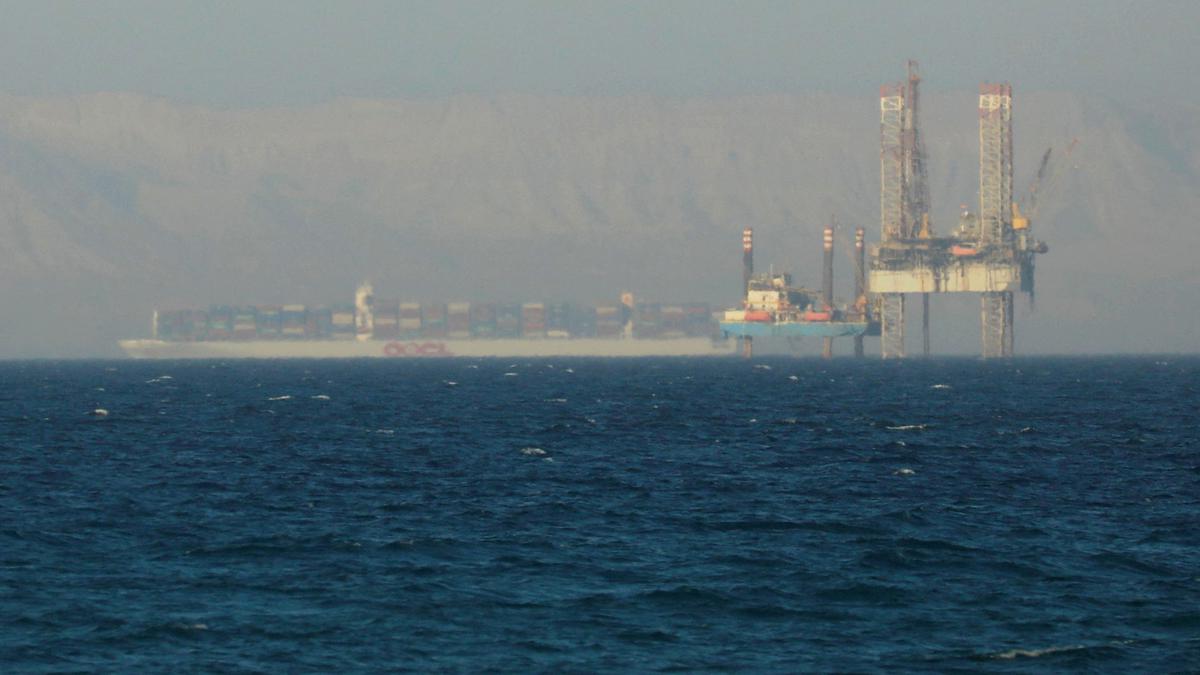
The missile attack on the product tanker Marlin Luanda on Jan. 26 by Yemen's Iran-aligned Houthi group underscored the risks to shipments of refined products between the major trading regions of Asia and Europe. The tanker was carrying Russian naphtha and was under charter by global trading group Trafigura, which has subsequently said it is assessing the security risks of further Red Sea voyages. However, the product markets in Asia and Europe have made their own assessment, sending the profit margins on producing fuels such as diesel and petrol sharply higher.
The profit margin, or crack, on making a barrel of gasoil, the building block of diesel and jet fuel, at a typical Singapore refinery shot up 18% on January 29, ending at $25.58, up from the close of $21.68 on Jan. 26.
The crack is at the highest since November 3, and the Jan. 29 jump was the biggest one-day percentage increase in three months.
In Europe, the diesel barge refining margin rose to the highest in two months, hitting $32.84 a barrel on Jan. 29, up from $30.85 previously. The profit on making a barrel of 92 octane gasoline from Brent crude in Singapore increased 7.4% on Monday to $16.45, a five-month high.
While a jump in the prices of refined fuels is an expected response to the attack on the Marlin Luanda tanker, the question for the market is whether the gains are justified by actual market circumstances. The dynamic that is most likely to play out is similar to what happened in energy markets in the wake of Russia's invasion of Ukraine in February 2022.


Billionaires are using their resources to expand into AI, news, and social media, with “extreme” wealth accumulation taking place in the tech sector, according to Oxfam International

Indian markets surge 1% as easing global trade tensions boost PSU banks and auto stocks, enhancing investor sentiment.

Rupee rebounds 15 paise to 91.50 against the dollar as investor sentiment improves following Trump's tariff announcement.

World Economic Forum 2026 The Hindu LIVE updates: global leaders to discuss on ai, tech and energy

3.7% year-on-year uptick in sales to 13.34 MMT

SBI Mutual Fund commits to at least 10% of Adani Power's $820 million rupee bond issue as anchor investor.

L&T Vyoma launches a 40 MW green, AI-ready data centre in Navi Mumbai to support high-density computing and sustainable growth.

Indian rupee depreciated to a fresh low of ₹91.7 a dollar on continued capital outflow and rising risk of U.S. acquisition of Greenland, on January 21.

In a major board-level reshuffle, Deepinder Goyal has been appointed as the vice chairman & director on the board of Eternal Ltd. (Formerly Zomato Ltd.) effective upon shareholders’ approval.

Mines Secretary Piyush Goyal announces plans to boost mineral exploration, focusing on strategic and critical minerals over the next five years.

Union Minister Vaishnaw and economist Gita Gopinath confirm India's path to becoming the third-largest economy by 2028.

Government seeks public input on draft electricity policy to enhance India's power sector's financial viability and infrastructure by 2047.

Union Cabinet approves Rs 5,000 crore for SIDBI to boost MSME credit, enhancing support for small businesses and job creation.