RBI to iron out volatile, bumpy movements to ensure rupee finds its level: Das
The Hindu
RBI Governor says rupee holding up ‘well’ relative to advanced, EME peers
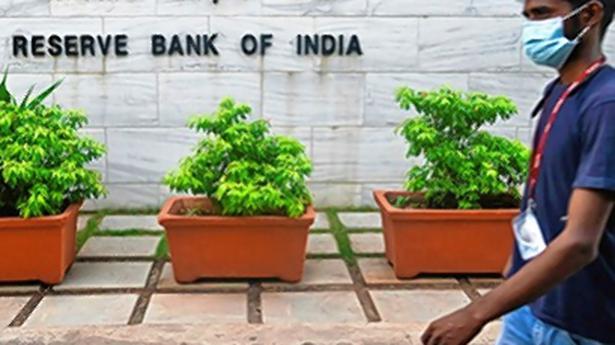
Reserve Bank of India (RBI) Governor Shaktikanta Das stressed on Friday that while the central bank was committed to ensuring that the rupee finds its level in line with its fundamentals and does not target any particular level for the rupee, it would intervene decisively to iron out any volatile or bumpy movements in the currency’s exchange rate.
“I would like to reiterate that we have no particular level of the rupee in mind, but we would like to ensure its orderly evolution and we have zero tolerance for volatile and bumpy movements,” Mr. Das said, referring to the RBI’s stance on the rupee’s recent depreciation against the U.S. dollar, while addressing a banking conference in Mumbai.
Asserting that the Indian rupee was ‘holding up well relative to both advanced and emerging market peers’ due to India’s ‘underlying fundamentals being strong, resilient and intact’, Mr. Das said the RBI’s actions, including measures to encourage inflows, had ensured that the rupee’s movements had been relatively smooth and orderly.
“By eschewing sudden and volatile shifts, we have ensured that expectations remain anchored and the forex market functions in a stable and liquid manner,” he added.
Underscoring the need to recognise that spillovers from global monetary policy tightening, the geopolitical situation, the still elevated commodity prices especially of crude oil, as well as the lingering effects of the pandemic had all combined to affect currencies worldwide, Mr. Das observed: “Even reserve currencies such as the Japanese yen, the euro, and the British pound sterling have not been spared”.
“Portfolio funds are selling off assets and fleeing to safe haven. Emerging market economies (EMEs) are particularly affected by capital outflows, currency depreciations and reserve drawdowns, complicating macroeconomic management in these countries,” he noted.
Mr Das said the impact of these overwhelming spillovers on India had been relatively modest.


Discover the key changes in the New Income Tax Rules 2026, simplifying compliance and enhancing deductions for taxpayers.

Palantir, which won a contract to supply AI systems to Britain’s Financial Conduct Authority, will not have access to regulatory intelligence, an FCA official said

Arm Holdings announced a new artificial intelligence data centre chip on Tuesday which it said will add billions of dollars of revenue

Amazon said on Monday its Amazon Web Services region in Bahrain has been “disrupted” amid the current conflict in the Middle East

Petroleum Ministry directs reforms to enhance natural gas infrastructure, streamline approvals, and ease transition from LPG to PNG.

The Sora decision means the end of a blockbuster $1 billion deal between Disney and the ChatGPT maker that was announced a little more than three months ago.

Regulator mandates city gas distributors to provide piped gas to educational institutions within five days, supporting India's transition from LPG to PNG.

NHAI's Raajmarga InvIT listed on BSE, enhancing investor participation in highway infrastructure with strong demand and oversubscription.

HDFC Life Insurance faces ₹172 crore Income Tax order for alleged violations, plans to appeal the decision.

Air-conditioner makers in India are looking forward to FY27 with hope as the war in West Asia threatens to impact plastic component availability and consumer sentiment, adding to the challenges around raw material price and new energy label, a senior executive of a leading company has said.

Rupee falls 23 paise to an all-time low of 93.76 against the U.S. dollar amid foreign fund outflows and global uncertainties.

Stock markets surged nearly 2% as Trump paused strikes on Iran, boosting investor confidence amid easing geopolitical tensions.

Coal Minister urges State leaders to maintain stable coal prices amid rising global costs, assuring ample domestic supply.