RBI soft-pedals on rate hikes, but may not have hit the brakes yet
The Hindu
The worst of inflation is behind us, economy is resilient but global slowdown could dent growth hopes to 6.8% from 7% projected earlier, says Governor Shaktikanta Das
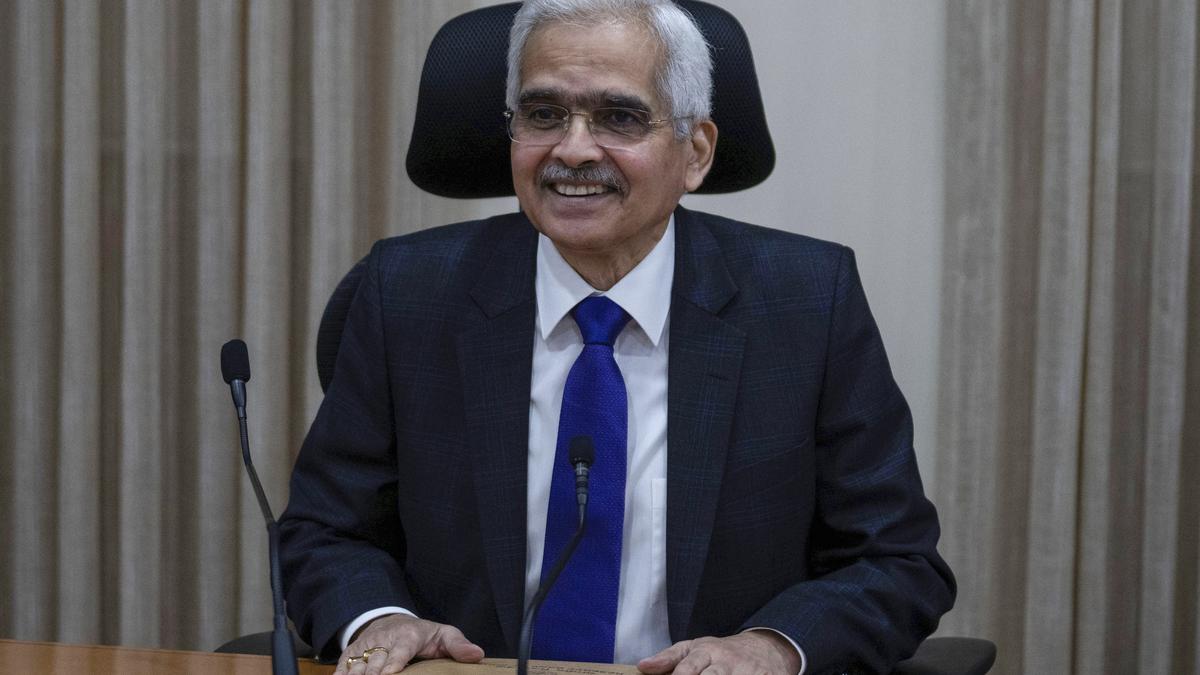
The Reserve Bank of India (RBI) on Wednesday raised the policy repo rate by 35 basis points (bps) to 6.25%, downshifting gears from consecutive increases of 50 bps, and scaled down GDP growth hopes for the year to 6.8% from 7%, even as Governor Shaktikanta Das exuded confidence about the economy being resilient and asserted that “the worst of inflation” was behind us.
A 100 basis points equal one percentage point. The central bank retained its inflation projection for 2022-23 at 6.7%, noting that inflation will ease but stay well above the 6% upper tolerance limit set for the RBI.
Mr. Das vowed to keep an “Arjuna’s eye” on evolving inflation dynamics, even as cooling global prices for crude oil, commodities and other items extend hope of relief.
Having hovered well over RBI’s upper tolerance limit of 6% since January 2022, retail inflation eased slightly on a sequential basis to 6.8% in October, but Mr. Das noted that core inflation remains sticky and the medium-term outlook “is exposed to heightened uncertainties from geopolitical tensions, financial market volatility and the rising incidence of weather-related disruptions”.
RBI Deputy Governor Michael Patra said the moderation of inflation will be “very grudging, very uneven” so the central bank must first “shepherd inflation firmly into the tolerance band (below 6%) and then to the 4% target”.
The RBI now expects inflation to average 5.9% in the January to March 2023 quarter, drop to 5% in the first quarter (Q1) of 2023-24 and edge up to 5.4% between July and September 2023, assuming a normal monsoon.
Also read | What is the target level of inflation?


The Thane police have arrested two co-founders of cryptocurrency exchange platform CoinDCX in connection with an alleged fraud of Rs 71.6 lakh, officials said

Meta Chief Executive Mark Zuckerberg is building a CEO agent to help him do his job, the Wall Street Journal reported

Insurance penetration and density are often misunderstood and do not reveal how many families are insured or whether they would be financially secure if the main earning member were to die. The real issue is not reach but adequacy, as households may have life insurance but not enough cover to replace lost income, leaving them financially vulnerable.

Five top firms lose ₹1 lakh crore in market value, with HDFC Bank experiencing the largest decline of ₹56,124.48 crore.

L&T confirms 95% of its West Asia project sites are safe, while addressing logistics challenges amid ongoing regional conflicts.

Mines Ministry to auction 19 critical mineral blocks on March 23, expanding strategic resources for clean energy and technology sectors.

Mines Ministry to auction 19 critical mineral blocks on March 23, expanding strategic resources for clean energy and technology sectors.

Five top firms lose ₹1 lakh crore in market value, with HDFC Bank experiencing the largest decline of ₹56,124.48 crore.

HDFC Bank terminates three senior officials over client onboarding issues at its DIFC branch amid ethical concerns following chairman's resignation.

Air India CEO warns of potential flight cuts and reduced travel demand due to rising fuel costs amid ongoing Gulf conflict.

Options are widely used by retail traders to speculate on the value of the stock for immediate gains and such behaviour in large scale can distort the market

India achieves 1 billion tonne coal production for the second consecutive year, ensuring stable energy supply and economic growth.

Generic drugmakers in India launch affordable Semaglutide versions, targeting a $1 billion diabetes and weight loss market.