Qatar’s growing artificial intelligence landscape creates new opportunities
The Peninsula
Doha, Qatar: The next generation of artificial intelligence professionals will need more than technical know how, and they must be critical thinkers w...
Doha, Qatar: The next generation of artificial intelligence professionals will need more than technical know-how, and they must be critical thinkers who understand the social consequences of the tools they build, says a Qatar-based academic expert.
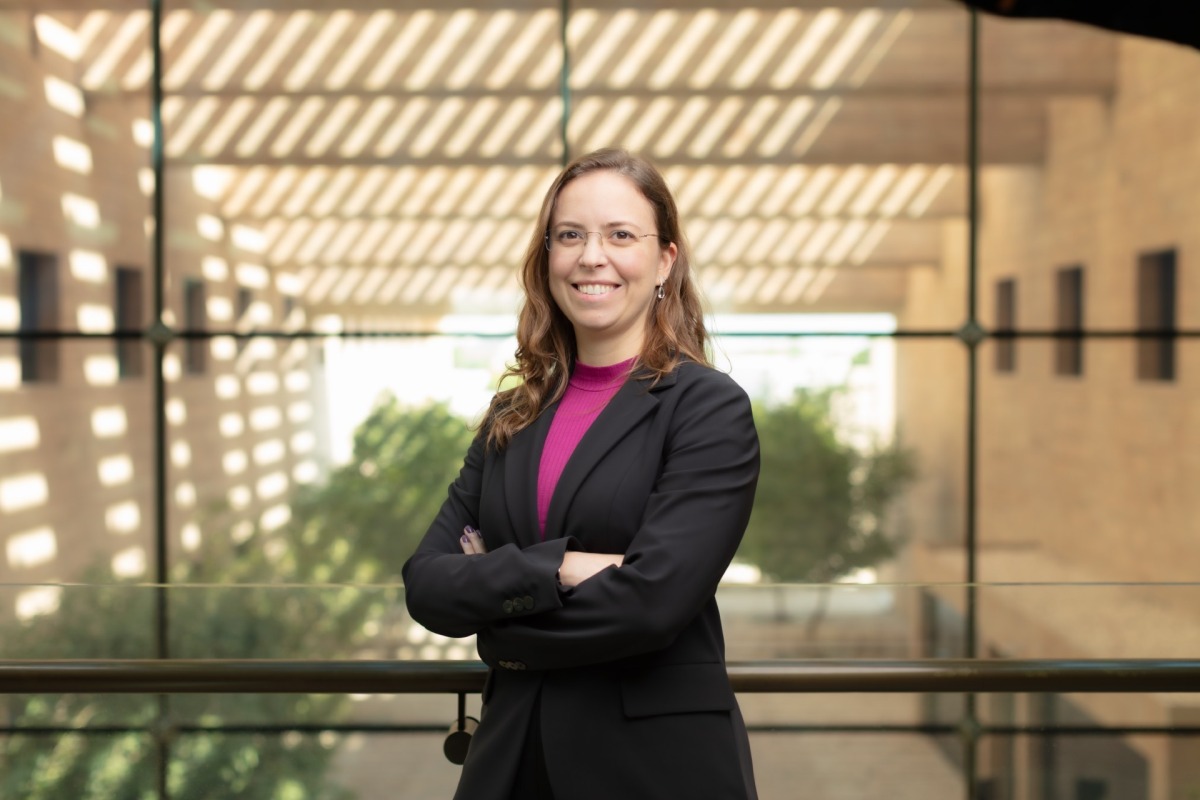
By insisting on strong technical foundations, Giselle Reis, Associate Teaching Professor at Carnegie Mellon University in Qatar (CMU-Q), emphasises the responsibility future AI professionals have to build, assess, and challenge AI systems with informed confidence.
Speaking to The Peninsula recently, Reis said that beyond technical mastery, she believes AI professionals must also possess “sharp critical thinking skills to reason how a certain technology may impact society in different ways,” and be willing to include expertise from other disciplines before deploying systems at scale.
Qatar, she said, offers fertile ground for such responsible innovation. “There has been an increased interest from various sectors in Qatar to integrate AI in their activities,” Reis said. “From ministries aiming to streamline processes, hospitals wanting to aid doctors in diagnoses, and museums creating interactive exhibitions, I have seen several interesting applications for AI.” This momentum, she adds, is reinforced by Qatar’s National Vision 2030 and the Ministry of Communications and Information Technology’s National AI Strategy, both of which aim to position the country as a leader in the region. As a result, “tech companies came to the country, and various AI-related positions were created in local institutions.”
Against this backdrop, CMU-Q’s new Bachelor of Science in Artificial Intelligence program is designed to develop graduates who can meet the country’s fast-evolving needs. Reis emphasises that the degree stands apart from many AI programs because it focuses on foundational knowledge before tools and applications. “Instead of focusing on applications and current tools, the degree is designed to enable students to understand what goes on inside the AI ‘black box’,” she said. This approach allows graduates not only to use AI systems effectively but to critique, modify, and advance them. “They will be in a position to easily understand and learn new techniques and tools, which are released at a faster pace each year,” she added.


Muscat: Omani Foreign Minister Badr bin Hamad Al Busaidi met today with his Armenian counterpart, Ararat Mirzoyan, during his visit to Muscat. Al Busa...

London: The British health minister on Tuesday described a deadly outbreak of meningitis linked to a venue as unprecedented after two students died...

Doha, Qatar: The Minister of State for Energy Affairs HE Saad Sherida Al Kaabi met today with HE Dr. Tan See Leng, the Minister of Manpower and Minist...

Doha, Qatar: Qatar Fuel (Woqod) announced the working hours of all FAHES stations during the Eid Al Fitr holidays. Starting from Tuesday, March 17,...

Doha, Qatar: Qatar Fuel (Woqod) announced the working hours of all FAHES stations during the Eid Al Fitr holidays. Starting from Tuesday, March 17,...

Kuwait: Two members of Kuwait s Emergency Medical Services were injured on Tuesday after shrapnel struck an ambulance center where they were on duty,...

Berlin: Germany said Tuesday its competition watchdog will soon get more powers to target energy firms over concerns they are unfairly hiking petrol p...

Doha, Qatar: The Amir HH Sheikh Tamim bin Hamad Al Thani led the well wishers in bidding farewell to HM King Abdullah II ibn Al Hussein of the sisterl...

Doha, Qatar: The Amir HH Sheikh Tamim bin Hamad Al Thani led the well wishers in bidding farewell to HM King Abdullah II ibn Al Hussein of the sisterl...

Doha, Qatar: Hamad International Airport announced its withdrawal from all external exhibitions, conferences, industry events, and awards programmes c...

Doha, Qatar: Hamad International Airport announced its withdrawal from all external exhibitions, conferences, industry events, and awards programmes c...

Doha, Qatar: The Amir His Highness Sheikh Tamim bin Hamad Al Thani met with his brother, His Majesty King Abdullah II bin Al Hussein of the Hashemite...

Doha, Qatar: The Amir His Highness Sheikh Tamim bin Hamad Al Thani met with his brother, His Majesty King Abdullah II bin Al Hussein of the Hashemite...